
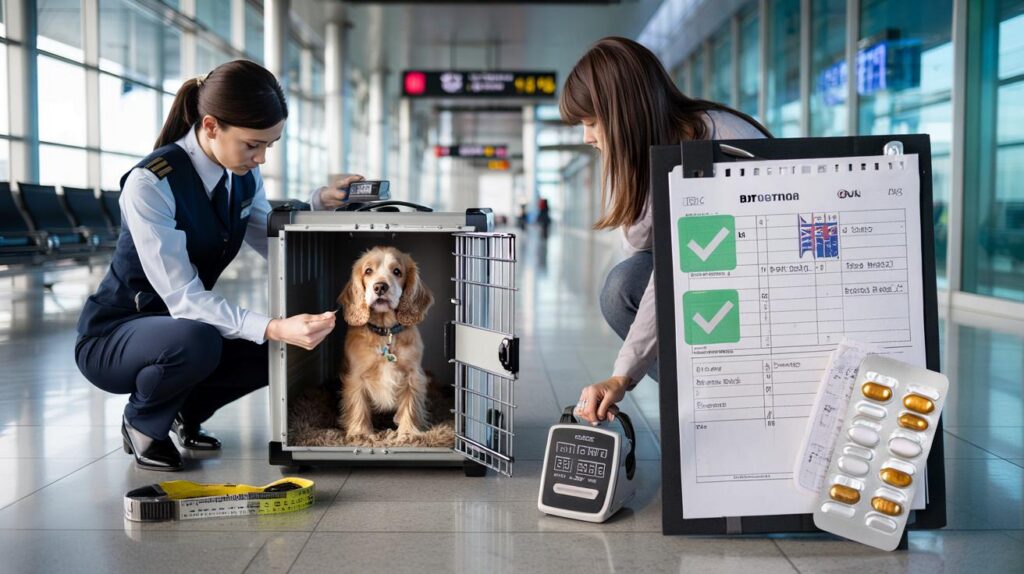
Dreaming of winter sun with your dog? 2025’s border rules can derail plans before you pack the lead.
Rules tightened after recent health scares, and carriers raised the bar too. A smooth trip now relies on timing, paperwork and calm handling. Miss a single step and you risk refusal at check-in, surprise fees, or a lonely quarantine for your pup.
Paperwork and timing still rule in 2025
Passport, microchip and rabies: the non-negotiables
Your checklist starts at the vet. You need proof of identification, proof of vaccination, and the right travel document for your route. The sequence matters as much as the content.
- Microchip first: the vet scans and records the number in your paperwork.
- Rabies jab after microchip: first shots are valid from day 21 only.
- Minimum age: 12 weeks before a rabies jab is allowed.
- Travel document: EU pet passport for EU-based owners; UK travellers need an Animal Health Certificate for the EU.
- Limit: up to five pets per person unless you hold event papers for shows or competitions.
Chip before jab, then wait 21 days. Break the order and border staff treat the vaccine as invalid.
Tattoos still appear on older pets, but only pre-2011 tattoos that remain clearly legible pass checks. Keep your vaccination book, microchip registration, and vet invoices together. Border officers accept tidy files faster.
The deadline traps that catch people days before departure
Many destinations add a tapeworm treatment for dogs. The window is tight. The UK, Ireland, Finland and Malta require a praziquantel-based tablet given 24 to 120 hours before arrival, and recorded by a vet. Miss the window and you delay entry or face a repeat appointment in transit.
Time your tapeworm tablet: between 24 and 120 hours before you cross the border, and make sure the vet stamps it.
Some countries ban specific breeds. France still refuses entry to category 1 dogs (such as pit bull–type and tosa–type) even in transit. Airlines can impose further restrictions on brachycephalic breeds, especially in hot months.
Country rules you can’t guess at the gate
Four destinations with strict worming rules
| Destination | Extra rule for dogs | Timing window |
|---|---|---|
| United Kingdom | Tapeworm tablet recorded by a vet | 24–120 hours before arrival |
| Ireland | Tapeworm tablet recorded by a vet | 24–120 hours before arrival |
| Finland | Tapeworm tablet recorded by a vet | 24–120 hours before arrival |
| Malta | Tapeworm tablet recorded by a vet | 24–120 hours before arrival |
Rabies antibody tests and months-long timelines
Several destinations outside the EU, including Morocco, Türkiye and parts of Asia, request a rabies antibody test. An approved lab measures the titre to confirm immunity. Many places want the blood draw at least 30 days after vaccination. If you return to the EU from a country the EU lists as high risk, the EU requires a three‑month wait after the blood sample before re‑entry with your dog.
Count backwards: vaccination, then 30 days to the blood test, then up to three months before you can return to the EU.
Arrive without complete paperwork and border officers can order quarantine or turn you around. Airlines may deny boarding if your crate, documents or health timing fail their checks. Always verify the latest rules with national veterinary authorities and your carrier before you book.
Airlines, trains and cars: comfort and compliance on the move
Booking rules that can cancel your trip at check-in
Carriers cap the number of pets per service, set strict crate sizes, and apply weather or breed limits. Book early and lock your pet into the reservation. Many European airlines accept small dogs in the cabin if the pet plus carrier stays within a typical 6–8 kg range and fits under the seat. Larger dogs travel in the hold in an IATA-compliant crate with fixed bolts, spill-proof bowls and absorbent bedding.
- Ask for written confirmation of pet booking and fees.
- Measure your carrier against the airline’s stated dimensions.
- Avoid sedatives unless your vet approves them in writing.
- Check heat and cold embargoes on hold carriage.
- For trains, check if a muzzle or specific ticket is required.
Ferries can offer pet-friendly cabins or onboard kennels. Reserve early in peak periods. Plan toilet breaks at ports and service stations, and carry waste bags to avoid fines.
Keeping your dog calm from door to door
Run short practice trips with the crate before the big day. Feed small, bland meals and allow digestion time before departure. Offer water little and often. Pheromone sprays or a familiar blanket can reduce stress. Pack a small kit: collapsible bowl, spare lead, wipes, long-line, medication, copies of documents, and a recent photo of your dog.
Put your phone number on the collar and the microchip record. If a tag falls off, the chip still leads back to you.
Arrival and stay: local laws, vets and money
Where to sleep and walk without conflict
Pet-friendly stays often charge a nightly fee or a deposit. Some limit size or restrict access to pools, breakfast rooms or lounges. Check leash laws and dog-free zones before your first walk. Identify the nearest 24/7 vet, then save the address offline. Keep the routine familiar: same walk times, same food, and a quiet corner in the room for rest.
Budget check: what a compliant trip really costs
Costs vary by country and carrier, but 2025 prices stack up quickly. A realistic, illustrative budget for a UK–EU long weekend with one small dog looks like this:
- Microchip (if needed): £15–£30.
- Rabies vaccination or booster: £40–£80.
- Animal Health Certificate for EU entry: £150–£250.
- Tapeworm tablet and vet entry: £5–£15.
- IATA-compliant carrier: £40–£120.
- Airline pet fee: £40–£90 cabin, £70–£300 hold, each way.
- Optional rabies antibody test (if required by destination): £60–£120 plus lab postage.
Smart timing can save £650 across certificates, crates and carrier fees over two trips in a year.
Border delays also cost money. Miss the worming window and you may pay for an extra night near the port, a new vet visit, and change fees. Build a 24-hour buffer at the start of your itinerary if your route involves strict timing.
What can change your plan at the last minute
Policy shifts, weather bans and strikes
Airlines update pet policies several times a year. Strikes and extreme weather trigger embargoes on hold carriage. Rail operators adjust rules for peak dates, and some cities add seasonal dog restrictions on beaches or parks. Check the week before travel and the day before departure. Screenshot the current policy in case staff guidance lags.
Health and insurance you may overlook
Consider pet travel insurance that covers emergency treatment abroad, third‑party liability, and repatriation. Ask your vet about local risks such as leishmaniasis, heartworm or ticks, and add preventatives to your plan. Carry your dog’s regular medication in the original packaging with dosing instructions. If your pet suffers from anxiety, discuss a behaviour plan well in advance.
Ten-day countdown: a practical checklist
- T‑10 days: confirm entry rules with destination authorities and your carrier.
- T‑7 days: weigh and measure your dog in the travel carrier; adjust if needed.
- T‑5 days: book the tapeworm appointment if your destination requires it.
- T‑4 days: print two copies of all documents and store digital backups offline.
- T‑3 days: fit an ID tag with your foreign mobile number.
- T‑2 days: pack food portions, medication, long-line, muzzle if required, and cleaning kit.
- T‑1 day: reconfirm your pet booking and seat; check weather embargoes.
- Departure day: allow extra time for check-in, security and pet relief breaks.
Most problems vanish with early vet visits, clear sequencing, and a realistic timetable. Treat the rules as part of the journey and your dog will travel safely, arrive calm, and slot into holiday mode as soon as you clip on the lead.



Is the 24–120 hour tapeworm window counted from arrival time or scheduled landng? My vet was unsure and I don’t want to miss the stamp window.