
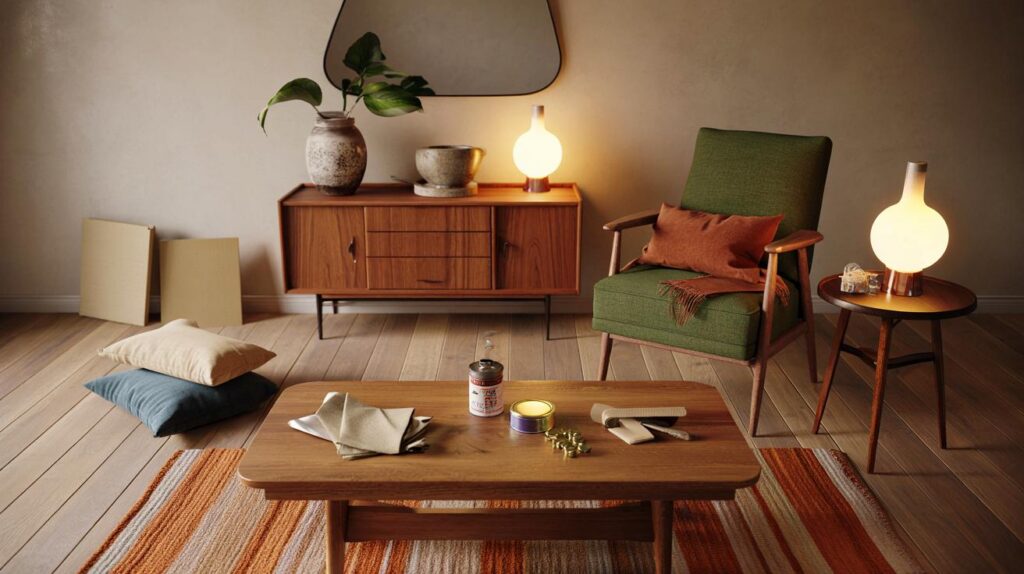
As nights draw in, homes crave warmth, personality and deals that stretch tight budgets without cutting corners on style.
Design insiders point to one shift changing rooms faster than flat-packs: second-hand sourcing and clever makeovers at pocket-money prices. What began as a thrifty fix now shapes the looks professionals rate most, and it costs far less than a trolley dash through the warehouse aisles.
Why second-hand is eclipsing the flat-pack rush
Rising living costs push households to squeeze value from every pound. Second-hand lets you buy materials that age well—solid oak, wool, hand-thrown stoneware—for the price of chipboard and plastic. You also gain character. Patina, real joinery and small imperfections bring depth you cannot fake.
Shoppers also want fewer throwaway pieces. Reusing furniture cuts waste, trims delivery miles and avoids flimsy fittings that wobble after a year. A vintage chair with a fresh seat pad will outlive a budget clone. That matters when you host more nights in through autumn and winter.
For under £200, you can anchor a living room with a solid table, a statement lamp and a vintage chair that actually lasts.
Pros like the flexibility. You can rotate in a mirror from a boot sale, swap handles on a chest of drawers, or repaint a stool in an afternoon. The result feels eclectic and welcoming, not cookie-cutter.
Real costs: how much can you save?
Here is a realistic basket for a small living room. Prices reflect typical UK listings in good used condition and entry-level new alternatives.
| Item | Typical new price (£) | Second-hand price (£) |
|---|---|---|
| Solid wood coffee table | 180 | 45 |
| Lounge armchair | 179 | 40 |
| Rug (wool, 140×200) | 99 | 25 |
| Shelving unit | 60 | 15 |
| Table lamp | 35 | 10 |
| Total | 553 | 135 |
A saving of roughly 75% is common when you buy durable materials second-hand and do light refresh work yourself.
Factor in small upgrades—paint, sandpaper, new knobs—for £30–£60 and the gap still looks sizeable, with more texture and better longevity.
How to make old pieces look current
Pair vintage with modern accents
Blend eras to avoid a fusty look. A teak sideboard sings beneath a graphic pendant. A 1970s armchair sharpens up on a striped flatweave rug. A mid-century mirror brightens a hallway above a slim metal console.
- Pick one hero per zone, then keep the backdrop calm with off-white walls or soft clay paint.
- Repeat tones across the room: brass frame, brass pulls, warm wood legs.
- Balance weight: partner a chunky table with slender lamps or open shelving.
Quick upgrades anyone can do
- Sand and oil a dull tabletop; food-safe oil costs around £12 and revives grain in one evening.
- Paint chairs with water-based eggshell; two coats, light keying, and you get a durable finish.
- Swap handles and knobs; £10–£20 transforms a tired chest of drawers.
- Rewire a lamp via a qualified electrician; budget £25–£40 for peace of mind.
- Staple-gun new fabric on a seat pad; use wool or heavy cotton for a crisp fit.
- Add felt pads and level wobbly legs; door wedges help stabilise uneven floors.
Small interventions—under an hour each—turn a dated buy into a focal point with colour, texture and safer electrics.
Where to find reliable bargains
Offline sources with better odds
- Charity furniture shops often carry solid wood pieces and sofas with delivery options.
- Car boot sales reward early arrivals; bring a tape measure and cash.
- House-clearance warehouses offer sets of chairs and mirrors at negotiable prices.
Online hunting that fits your diary
- Set saved searches with your postcode radius and material keywords such as “oak”, “cast iron”, “opaline”.
- Ask for extra photos: joints, undersides, drawer runners and the back panel tell you about build quality.
- Request measurements; sketch your floor plan and note door widths for safe access.
Check condition in person when possible. Smell for damp. Look for powdery woodworm trails under chairs. Run a card along chips to test depth and repairability. If the seller accepts, lift a corner of fabric to inspect the frame.
Sustainability and safety that outlast trends
Buying used avoids the carbon cost of manufacturing and shipping a new item. A solid timber dining table can carry 50–100 kg CO₂e when new, depending on timber, transport and finishes. A second-hand alternative adds little beyond your travel and any new varnish.
Prioritise materials that age well: hardwoods, wool, linen, steel, brass and real glass. Veneers and plastics can work, but check edges and sun fade. Repair beats replacement: a pot of wax or a new plug often extends life by years.
Upholstered items sold in the UK should carry the “Carelessness Causes Fire” label. No label? Use wool throws or reupholster with compliant fillings.
Mind wall fixings for heavy mirrors and shelves. Use the right anchors for plasterboard or masonry. A £6 pack of wall plugs can prevent a costly fall.
What the pros measure before they buy
Five checks that save you money
- Structure: rock the piece gently; listen for creaks; avoid cracked frames.
- Materials: prefer solid wood; look for end grain at edges and dovetail joints in drawers.
- Scale: measure seat height and depth; aim for 45–48 cm seat height for most dining chairs.
- Finish: matte varnish hides minor dings and cleans easily; gloss shows flaws.
- Smell and stains: persistent odours often outlast cleaning; pass if they bother you.
A £500 weekend plan that beats a trolley dash
Set a two-day target. Day one: scout three charity shops and one boot sale. Lock in a hero piece under £120. Day two: collect two support acts (lamp and side table for £60–£80 total), buy supplies (£40), and complete quick upgrades.
- Expected haul: coffee table (£45), armchair (£40), lamp (£10), rug (£25), art or mirror (£20), supplies (£50).
- Spare funds: around £310 left from a £500 budget to reupholster a seat or save for a sofa.
Your room gains story, warmth and better materials for a fraction of the cost—and it looks like you, not a catalogue page.
Helpful extras that sharpen results
Colour and texture guide for autumn rooms
- Use three main tones: warm wood, a saturated accent (rust, forest, indigo) and a soft neutral.
- Layer textures: wool rug, linen cushion, ceramic lamp base and a polished timber surface.
- Repeat patterns sparingly: stripes on the rug, plain cushions, patterned throw.
Hidden costs to budget upfront
- Transport: £15–£60 for a local man-and-van beats damaging a car boot.
- Reupholstery: from £120 for a seat pad; full sofa work starts far higher—get quotes first.
- Electrical safety: PAT test or electrician check for older lamps and vintage fittings.
Risks and how to avoid them
- Impulse buys: stick to sizes and materials on your list to prevent clutter.
- Over-sanding: you can burn through veneers; test a small area and check thickness at edges.
- Moisture traps: let pieces acclimatise indoors before sealing with varnish or oil.
If you want a quick win tonight, re-style what you own: swap lamps between rooms, centre a small rug under the coffee table, and move art 5–8 cm lower for a cosier eye line. Small shifts help you see what to hunt for next, and they make space for that £50 gem when it appears.



Love this! Scored a solid oak coffee table for £30 last week—bit of sand and oil and it gleams 🙂 Any tips for finding wool rugs that don’t smell musty?
Feels a tad optimisitc—where are these £40 armchairs in “good condition”? On Gumtree I mostly see chipped MDF. Regional luck?