
As temperatures slide and budgets tighten, one power giant is rolling out unexpected winter help that could transform your evenings.
With energy costs gnawing at household finances, a major supplier serving more than seven million people is handing out a warmer route through winter to those at greatest risk. The move puts targeted support, and real savings, within reach for customers facing medical needs or personal vulnerabilities.
What the free blanket offer means for you
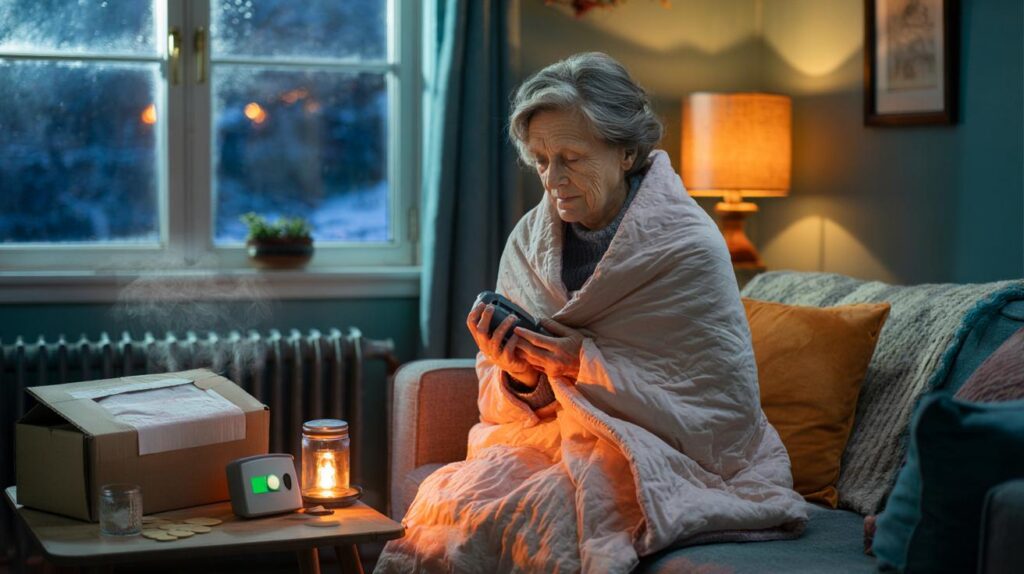
Octopus Energy is allocating thousands of energy‑efficient electric blankets to customers who qualify through its hardship pathway. The company says warming the person, not the whole property, can slash outgoings in the coldest months. For many on fixed incomes, that shift in strategy can mean the difference between comfort and cutting back.
Heating a whole home can cost about £4 a day, but an electric blanket can warm you for around 4p an hour.
The numbers add up quickly for those living alone, people confined to one room, and anyone who spends long periods seated. Octopus reports that customers using supplied blankets have typically trimmed around 20% from gas spend, with 93,000 blankets already dispatched and a further 10,000 set aside for this winter.
Who can apply
The offer sits within Octo Assist, the supplier’s support route for people struggling with bills. The company prioritises customers with specific vulnerabilities or medical circumstances, and it reviews each case individually rather than relying on a rigid checklist.
- Be an Octopus Energy customer and apply through the Octo Assist channel.
- Provide details of income, regular outgoings and current arrears.
- Explain any health or personal factors that make heating harder or more costly.
Applications lead to a tailored recommendation. That could include a free blanket where appropriate, or other help if it better fits your situation.
How the assessment works
Octopus uses budget information, payment history and personal context to decide the most effective support. The firm encourages applicants to create a clear household budget first, as this speeds up decisions and opens the door to wider help beyond a blanket. If your circumstances change, you can be reassessed.
Why an electric blanket cuts costs
Blankets focus warmth where it matters most—your body—rather than heating unoccupied rooms or losing heat to draughts. Low wattage and quick warm‑up times reduce energy use, particularly in the evening when gas or electric central heating often runs for hours.
Octopus customers report average gas bill savings of about 20% when they use an electric blanket strategically.
The numbers at a glance
| Heating method | Typical running cost | What it heats |
|---|---|---|
| Gas central heating (average home) | Approx. £4 per day in colder months | Whole property |
| Electric blanket | About 4p per hour | An individual |
For someone at home four hours each evening, a blanket might add roughly 16p a day to electricity, compared with pounds to maintain a warm house. This targeted approach can be especially effective if you use a lower background temperature and top up with personal heat.
Other help available from Octopus
The free blanket scheme sits alongside a broader package of assistance via Octo Assist. The fund has been enlarged to £40 million and has reportedly supported over 100,000 customers so far, with a mix of credits and tailored interventions.
- Grants, standing charge holidays and, in some cases, debt write‑offs.
- You pay, we pay: matching payments towards arrears to help clear debts faster.
- Targeted pensioner support: a one‑off credit up to £200 for eligible customers.
- Help with benefits claims: trained teams guide customers through applications.
- Heat‑loss cameras: borrow a thermal camera to spot and fix draughts.
- Energy Helpers: in‑person advice, with more than 300,000 home visits to date.
- Saving Sessions: rewards for cutting usage at peak times, with over two million participants.
- Octoplus free electricity sessions: extra electricity above normal use free when wholesale prices plunge or go negative.
Octo Assist’s expanded £40m pot now combines grants, matched payments and targeted credits, with help claimed by more than 100,000 customers.
What to do if you are not with Octopus
Customers of other suppliers can still take the same principle—warm the person, not the whole home—and reduce bills with a reputable, low‑wattage electric blanket. Check current unit rates on your tariff and multiply the blanket’s wattage by usage hours to estimate weekly costs. Many charities, councils and health services also run seasonal schemes that provide warm packs or small appliances to vulnerable residents, so it’s worth contacting local advice centres.
Safety, usage and practical tips
- Choose blankets with auto shut‑off and overheat protection, and follow the manufacturer’s care instructions.
- Use the lowest comfortable setting and pre‑warm your seat or bed for 10–15 minutes.
- Aim for a modest background room temperature and seal draughts around windows and doors.
- Combine with layered clothing and a hot drink to reduce running time.
- Do not use a damaged blanket, and avoid folding sharply or placing heavy items on it.
How to decide if a blanket will save you money
Run a quick comparison. If you typically heat your home for five evening hours, and your system costs about £4 per day, you might be paying 80p per hour. A 120W blanket, by contrast, uses 0.12kWh per hour. At, for example, 22p per kWh, that’s roughly 2.6p per hour. Even at twice that electricity rate, the cost remains in the low single‑pence range. If you spend most evenings in one place—on the sofa, at a desk or in bed—the blanket strategy can trim hours of boiler use without sacrificing comfort.
Why the timing matters this winter
Colder temperatures drive up gas consumption just as many households confront tighter budgets. For people with medical needs, feeling cold can aggravate conditions and increase health risks. A simple, targeted measure that keeps the person warm can soften bill shocks and reduce stress. By focusing help on the most vulnerable, the scheme widens access to a practical tool rather than a short‑term voucher that disappears on the next meter read.
If you plan to apply
Gather your monthly income, regular outgoings, current balance and any arrears. Be clear about health or household needs that raise your heating costs, such as limited mobility, recovery from illness, or time spent at home during the day. An accurate budget gives assessors the evidence they need to allocate the right kind of support—whether that’s a blanket, bill credit or matched payments towards debt. Keep records of recent bills and meter readings to show usage patterns, and update the supplier if your circumstances change mid‑winter.



This is actually brilliant—warming the person not the whole house makes sense. If I’m on Octopus but already had Octo Assist once, can I still apply for a blanket, or is it one‑and‑done?
4p an hour sounds tiny, but at 30p/kWh a 120W blanket is ~3.6p/hr—still cheap. Any data on total monthly savings for people who WFH? Curious about wear-and-tear and warranty, too.