
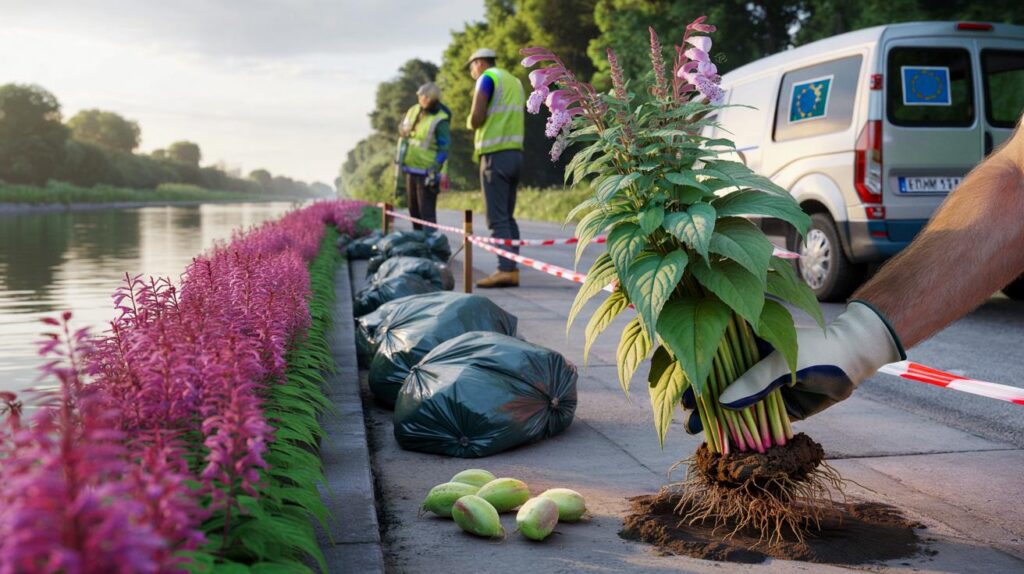
Gardeners across the continent face a sudden wake-up call as a once-beloved summer showstopper turns into a legal liability overnight.
From the border of Brittany to the banks of the Danube, the rules for planting pretty, fast-growing ornamentals have shifted. A European directive now targets an old favourite for removal, reshaping how households, councils and retailers manage green spaces.
What changed on 5 august 2025
On 5 August 2025, a new European directive banned Himalayan balsam (Impatiens glandulifera) across the EU. The measure applies to private gardens and public land. It also halts sale, transport, gifting and online listings, and compels destruction of remaining nursery stock.
From 5 August 2025, growing, selling, gifting or transporting Himalayan balsam is illegal across the European Union.
The aim is simple: stop an invasive plant that spreads fast, dominates riverbanks and wet ground, and squeezes out native species. Member states now enforce the rules through national penalties, which may include fines, orders to remove infestations, and confiscation of stock.
| Action | Status | Notes |
|---|---|---|
| Keeping existing plants | Prohibited | Remove and dispose securely; prevent any spread. |
| Selling or gifting plants/seeds | Prohibited | Retailers must destroy stock; private exchanges also banned. |
| Online listings and mail order | Prohibited | Platforms must delist products and prevent relisting. |
| Scientific use | Restricted | Possible under strict permits and containment conditions. |
| Disposal | Controlled | Do not compost; bag securely and follow local guidance for authorised facilities. |
Why the himalayan balsam ban matters
Himalayan balsam produces lush stands in a single season. It loves riversides, marshy edges and woodland margins. Dense growth blocks light, monopolises water and nutrients, and suppresses native seedlings. Pollinators crowd the nectar-rich flowers, which starves other plants of visits during peak bloom.
Seed pods burst when ripe and catapult seeds several metres. The result is rapid spread along waterways and tracks, especially after heavy rain. Seeds can persist in soil, enabling fresh outbreaks after initial clearance.
Left unchecked, dense stands form by late summer, then die back in winter, exposing bare soil and leaving riverbanks prone to erosion.
This cycle erodes banks, increases sediment loads and threatens habitats for fish, insects and birds. In southern and western Europe, longer warm spells strengthen its growth window, pushing native plants and the wildlife that rely on them to the margins.
How to recognise it in your garden
Quick identification reduces risk. Look for tell-tale features from late spring.
- Pink to purple flowers with a helmet or slipper shape, often forming showy bands.
- Hollow, smooth, sometimes translucent, green to reddish stems that snap easily.
- Lance-shaped, serrated leaves often arranged in whorls of three.
- Explosive seed pods that pop at a touch when mature.
Massed patches with few other plants, especially along damp edges, suggest a problem. A sudden flush of pink in places that used to host mixed wildflowers signals a shift toward monoculture.
What you must do if you find it
Act before seed pods mature. Once they burst, local control becomes far harder.
Timing matters: remove plants before seed set, and revisit the site for several seasons to exhaust the seed bank.
- Pull by hand when soil is moist; the shallow roots lift cleanly. Shake off soil and bag plants whole.
- Do not strim flowering plants. You risk spreading ripe pods over a wide area.
- Cutting at ground level is possible, but repeat visits are needed to catch regrowth.
- Keep bags sealed; never add to home compost. Take waste to an authorised facility or follow local disposal instructions.
- Clean boots, tools and vehicle mats to avoid moving seeds to new sites.
- Monitor the area every few weeks until frost, then again next spring.
Safer planting choices that keep pollinators visiting
Many gardeners chose Himalayan balsam for drama and pollinator appeal. You can keep both with plants that don’t take over.
- Lavender: tough, scented and rich in nectar. It thrives in sun and poor soils.
- Marguerite-type daisies: brighten beds and feed bees and butterflies for months.
- Sage (ornamental and culinary): extended blooms and strong support for beneficial insects.
- Locally native varieties suited to your soil: they settle quickly and resist weather swings.
Near water, consider moisture-tolerant natives that knit soil together and add colour through the season. Mix heights and flowering times to spread nectar over months and keep habitats varied.
What this means for retailers and councils
Garden centres and online shops must delete listings, cancel orders and destroy remaining stock. Contracts with suppliers need updating to prevent reintroduction. Staff require training to spot mislabelled plants and advise customers who bring in samples.
Local authorities will adjust maintenance programmes, especially along rivers and in reserves. The focus shifts to early detection, rapid response and long-term monitoring. Public messaging matters too, so residents recognise the plant and report fresh outbreaks promptly.
Controls and tightly limited exemptions
Member states will run targeted checks in high-risk areas, including transport corridors and floodplains. Reporting apps and hotlines help direct teams to new sites. Research institutions may receive permits for contained studies to improve control methods, with strict conditions to block escape.
How this fits into a bigger shift in gardening
The directive sits within a broader push to reduce invasive species and safeguard biodiversity. It mirrors earlier action against other aggressive ornamentals that once seemed harmless on catalogue pages. At the same time, climate pressure is reshaping plant choices, with some traditional favourites struggling in hotter, drier summers.
Responsible gardening now means checking plant origins, avoiding risky species, and favouring natives or non-invasive introductions. It also means thinking beyond flowers: roots that hold banks, stems that shelter insects, and seedheads that feed birds through winter.
Practical extras to help you stay compliant
Plan control around a simple calendar. Start pulls in late spring when stems are tall enough to grip but before flowers form. Repeat after rain, when roots release more easily. Set a final sweep just before peak summer. Log each visit and note any seed set to gauge next year’s workload.
Avoid confusion with the native yellow touch‑me‑not. The native species carries yellow flowers and plays a role in local ecosystems. If in doubt, ask your council’s biodiversity team before removing a plant in sensitive areas.



Does the ban apply to the UK or only EU states? What about seeds already in the soil from last year—are homeowners liable if they sprout?
This feels overkill.