
A cheap, bright annual is quietly reshaping kitchen gardens, turning pest pressure into profit while keeping soil lively and productive.
Across allotments and smallholdings, growers are bedding in a single low-cost flower now to set up stronger crops next season. The same compact plant draws pollinators, lures sap-suckers away from vegetables, and keeps beds humming with life, all on a shoestring.
Meet nasturtium: the growers’ back-pocket fix
The flower in question is nasturtium (Tropaeolum majus), a vigorous annual with peppery leaves and vivid orange, yellow or red blooms. Market gardeners lean on it as a living tool: a trap crop for aphids, a pollinator magnet, and a sprawling cover that shades soil and suppresses weeds.
How it works in your beds
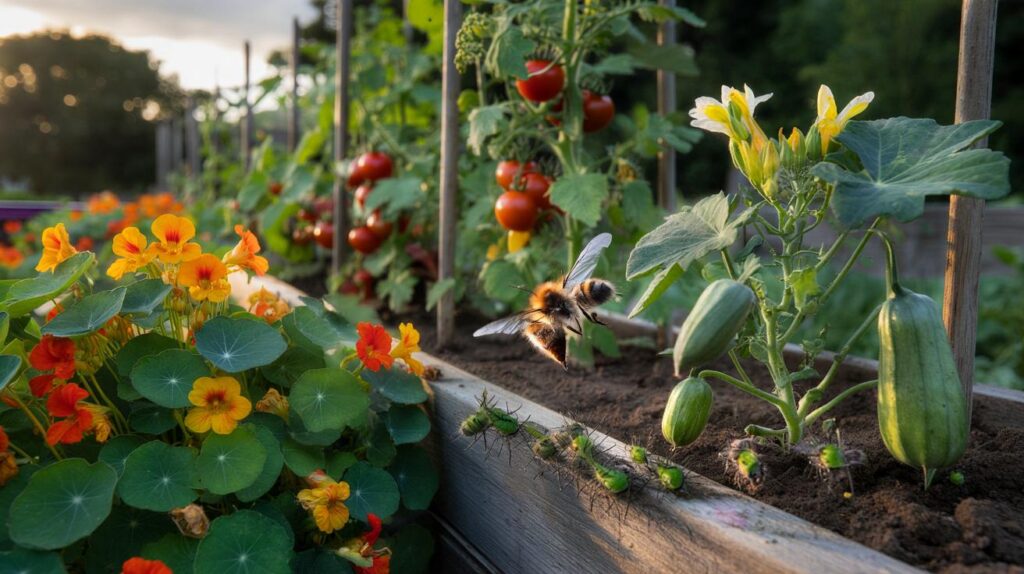
Nasturtiums release scent and nectar that pull in bees, hoverflies and bumblebees. That extra traffic can make a difference on tomatoes, courgettes, beans and squash, where complete pollination means fuller fruit sets. At the same time, the soft nasturtium growth acts like a buffet for aphids. They settle on it first, drawing pressure away from broad beans, potatoes and tomatoes.
Planted between tomatoes and courgettes, nasturtiums act as living decoys for aphids while boosting pollination passes.
This two-way effect—attracting allies while concentrating trouble—helps keep interventions to a minimum. Growers report fewer sprays, less time spent squashing pests, and steadier harvests into late summer.
Why growers back the trick
For small farms and home plots alike, the appeal is practical. Nasturtiums cost little, germinate fast, and tolerate poor soils. They tolerate sun or light shade, thrive in containers, and scramble elegantly along bed edges. As a companion, they suit tomatoes, courgettes, beans and potatoes especially well, and they keep paying back until frost cuts them down.
Plant now: a quick-start plan for late autumn
“Plant now” can mean two things at this time of year. In mild or coastal areas, sow nasturtiums directly in sheltered ground for an early spring start. Everywhere else in the UK, start seeds under cover and hold sturdy young plants for a fast transplant the moment frosts pass.
What to do this week
- Collect and dry any ripe nasturtium seeds from friends’ plots to save money next spring.
- Sow 2–3 seeds per 9 cm pot in a cool, bright porch or greenhouse; thin to the strongest seedling.
- Keep compost barely moist; growth is swift even without feed.
- Mark companion spots now beside tomatoes, courgettes and beans for spring planting.
- In frost-free pockets, direct-sow where plants will trail—bed edges or between crop rows.
One £2 seed packet typically yields 20–30 plants; saving seed makes next year’s plants effectively free.
Where nasturtiums shine in mixed beds
| Crop partner | Position | Spacing | Pay-off |
|---|---|---|---|
| Tomatoes | Between plants; allow trailing to bed edge | 30–50 cm between nasturtiums | More pollinator visits; aphids settle on decoy |
| Courgettes/squash | At corners of mounds | One plant per mound | Improved fruit set; ground cover shade |
| French/broad beans | Alternate along rows | Every 60–80 cm | Blackfly diverted; easier picking |
| Potatoes | Bed edges | 40 cm apart | Trap for aphids; reduced weed growth |
Care that pays back until the first frosts
Nasturtiums are unfussy. Water in dry spells, and they respond with new leaves and flowers without any special feed. Pinch back long stems to keep airflow around neighbouring crops. Remove spent blooms to keep flowers coming. A thin mulch locks in moisture and reduces splash-back onto tomatoes.
Watch for these downsides
- Seedlings can tempt slugs and snails; set beer traps and use barriers on wet nights.
- Cabbage white butterflies may lay on nasturtiums; pick off caterpillars early to stop numbers exploding.
- Rapid sprawl can shade small seedlings; train vines along edges or trellis up a low frame.
Think of nasturtiums as a controlled magnet: concentrate the trouble in one spot, then remove it in one sweep.
Numbers that matter: time, money and yield
A simple back-of-envelope model helps you judge value. Suppose you grow 8 tomato plants and 6 courgettes. You interplant 10 nasturtiums raised now under cover for spring. You spend £2 on seed and 20 minutes sowing and thinning.
- If trap-cropping cuts aphid damage on tomatoes by even 20%, you rescue two extra trusses across the bed.
- Those trusses can weigh 1.2–1.6 kg combined. At £3–£4/kg retail, that’s £3.60–£6.40 of fruit.
- Two additional pollinated courgette sets per plant adds 12 fruits. At 200–250 g each, that is 2.4–3 kg.
- At £2–£3/kg, extra courgettes add £4.80–£9 in value.
Even with conservative figures, the £2 seed pays for itself quickly, not counting reduced spray costs or time saved chasing aphids around broad beans. The seedlings you start now under cover position you for that return at the first weather window in spring.
Fresh angles that extend the benefit
Use the edible side
Leaves and flowers carry a mild, peppery heat. Scatter blooms through salads for colour, or blitz leaves into a quick green sauce. Pick and brine the unripe green seeds to make “poor man’s capers”. That bonus makes the plant pull weight in the kitchen when pest pressure is light.
Save your own seed for resilience
Let a few pods ripen fully. Dry seed until hard, then store in a paper envelope somewhere cool. Home-saved seed adapts gradually to your site, and the pile you collect from a single plant is usually more than enough for the following season.
Tweak it to your climate
In the far south-west, outdoor autumn sowings often overwinter and leap ahead in spring. In colder districts, stick to covered sowings now and set hardened-off plants outside after the last frost. In containers on balconies, nasturtiums trail beautifully; pair one plant with a dwarf tomato to mimic the bed effect.
Combine with other gentle allies
Ring your plot with calendula for more pollinators, and set a small patch of dill or fennel to feed hoverfly larvae that chow through aphids on the nasturtium decoys. This layered approach spreads risk and keeps chemical inputs low.
Layering low-cost companion plants spreads risk, lifts pollination, and makes beds easier to manage.
For rotation planning, treat nasturtium as a non-brassica companion, and move its positions yearly with your tomatoes and beans. If you had heavy aphid build-up on one decoy last year, compost the spent plant and shift next season’s decoy two beds over to avoid carry-over hotspots.
Finally, track outcomes. Note how many aphid clusters appear on nasturtiums versus crop stems, and jot down fruit counts per plant. A single season of simple notes reveals where nasturtiums made the biggest difference in your garden—and where to place that £2 flower next time for the strongest return.



Been using nasturtiums for years on my tomatoes and beans—cheap, cheerful, and they keep the blackfly busy elsewhere. The edible flowers are a bonus. My only tip: don’t overfeed them or they’ll go wild and shade the seedlings. This article nails the trap-crop + pollinator combo. Defnitely worth the £2.