
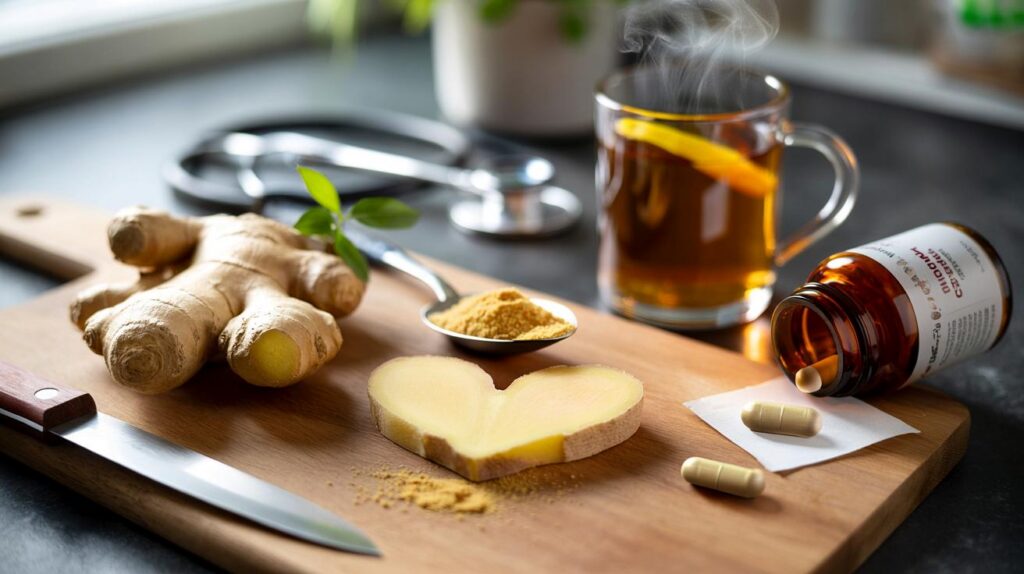
A cheap root sits in your cupboard, prized for flavour and comfort. Its reach stretches from morning sickness to sore knees.
Now a growing body of research points to something more practical for your daily health. Regular ginger could help shape better cholesterol numbers and steadier blood pressure, while also softening inflammation that strains the cardiovascular system.
Why ginger is back in the cardiology conversation
Ginger has a long medical backstory, yet recent evidence gives it fresh relevance for people watching their heart health. Researchers have pooled data from human trials and found consistent signals that ginger modestly improves blood lipids. The headline is not hype: participants who took ginger saw lower low-density lipoprotein (LDL), reduced triglycerides, and a lift in high-density lipoprotein (HDL). Several trials also recorded small drops in blood pressure. These shifts, combined, matter to your long-term risk.
Across 26 clinical trials, ginger supplementation improved the lipid profile: LDL and triglycerides down, HDL up.
The appeal sits in its accessibility. Ginger is inexpensive, easy to add to meals and hot drinks, and familiar to most households. That lowers the barrier to trying it as part of a broader heart-friendly routine.
What the trials actually measured
Most studies gave adults powdered ginger or standardised extracts rather than the fresh root. Typical amounts ranged from one to three grams per day over four to 12 weeks. Researchers measured fasting blood lipids, sometimes alongside blood pressure and markers of inflammation or oxidative stress. Results pointed in the same direction across diverse groups, including people with metabolic syndrome and type 2 diabetes.
Practical target: 1–3g daily for 4–12 weeks is the range most often tested in human studies.
Mechanisms likely overlap. Ginger’s antioxidant compounds, such as gingerols and shogaols, appear to temper oxidative stress. That can support healthier lipid handling in the liver and better insulin sensitivity in muscle and fat tissue. Improved glucose uptake eases metabolic overload, which then reflects in gentler cholesterol and blood pressure readings.
Beyond cholesterol: pressure, sugar and inflammation
Cardiovascular risk rarely comes from one number. Hypertension, raised fasting glucose, and chronic low-grade inflammation cluster in many patients. Ginger touches each of these factors.
- Blood pressure: several trials recorded modest reductions in systolic and diastolic readings.
- Glucose control: in type 2 diabetes, daily ginger improved fasting glucose and HbA1c in studies spanning four to 12 weeks.
- Inflammation: laboratory and early clinical work shows reduced activity of overzealous immune cells and fewer inflammatory mediators.
Put together, these effects suggest a small but meaningful nudge towards a healthier cardiovascular profile, especially when paired with diet, movement and sleep improvements.
The metabolic knock-on effects for type 2 diabetes
For people living with type 2 diabetes, ginger’s effects extend beyond taste. Trials using one to three grams per day improved lipid numbers and tightened glucose control. Researchers attribute this to enhanced insulin sensitivity and improved cellular glucose uptake, supported by a reduction in oxidative stress. Better control of these pathways lowers the burden on arteries and the heart.
How to use ginger without the noise
You do not need to overhaul your kitchen. A consistent, measured approach works best. Fresh, dried and capsule forms each play a role, though supplements tend to deliver the specific gram amounts seen in studies.
| Form | Typical amount | Duration used in studies | What to expect |
|---|---|---|---|
| Powdered ginger (capsules) | 1–3g per day | 4–12 weeks | Improved LDL, triglycerides and HDL; small blood pressure reductions |
| Fresh ginger (grated/tea) | 1–2 tsp fresh root daily | Ongoing | Supportive, but exact dose varies; useful for routine intake |
| Ginger tea (infusion) | 1–2 cups, made strong | Ongoing | Comfortable way to build a daily habit; dose less precise |
Quality varies. If you choose a supplement, look for a clear label showing total ginger amount per capsule and a batch number. Start on the low end, check how you feel, and only then consider moving towards the two to three gram range used in research.
Safety, side effects and sensible limits
Ginger is food, but dose and context still matter. Many people tolerate it well. Some experience heartburn, bloating or mild diarrhoea at higher amounts. These effects usually settle when the dose falls.
Aim to stay below 4g per day. More than that brings a higher chance of stomach upset.
Take care if you use blood-thinning medicines such as warfarin, aspirin or clopidogrel. Ginger can increase bleeding risk in combination with these drugs. People on diabetes or blood pressure medication may notice stronger effects; monitor your readings and speak to a clinician if numbers drop lower than expected. Pregnant people should avoid high-dose supplements and seek personalised advice before using more than food-level amounts.
Where it fits alongside diet and medicines
Ginger is not a replacement for statins, antihypertensives or lifestyle change. It sits well as an add-on to a Mediterranean-style pattern: plenty of vegetables, pulses, wholegrains, nuts, olive oil and two portions of oily fish per week. A half-teaspoon of powdered ginger stirred into yoghurt with oats and berries adds fibre and flavour. A strong ginger infusion alongside an evening walk builds a habit you can keep.
If you already take a cholesterol-lowering medicine, discuss ginger use with your GP or pharmacist. Many people can combine the two. The aim is complementary benefits: medicines for larger, predictable changes; ginger for small, multi-pathway nudges with a favourable safety profile.
Practical ways to hit research-backed amounts
- Breakfast: 0.5 tsp powdered ginger into porridge or a smoothie.
- Lunch: grated fresh ginger into a lentil soup or crunchy slaw.
- Dinner: 0.5–1 tsp powdered ginger in a stir-fry or marinade.
- Evening: a mug of strong ginger tea with lemon peel to finish the day.
This routine can add up to roughly one to two grams most days. If you want the precision used in trials, a standardised capsule makes tracking straightforward.
What we still need to know
Most trials used powdered ginger. Researchers still debate whether fresh root or tea can match the same lipid effects gram for gram. The active compounds vary by variety, harvest and storage, so two knobbly roots can deliver different amounts. Future studies will need to compare forms head-to-head and report exact gingerol and shogaol content.
There is also interest in wider effects. Early human work and lab studies hint at benefits for pain, nausea and immune regulation. These actions could indirectly support your heart by improving movement, sleep and dietary choices during illness or flare-ups. Robust trials will clarify who benefits most and which doses strike the right balance between effect and tolerance.
A quick self-check before you start
- Current medicines: any blood thinners, diabetes or blood pressure drugs?
- Targets: cholesterol, triglycerides, blood pressure or glucose—what will you track?
- Plan: food-first or capsule—for four to 12 weeks—then review results.
- Signs to watch: reflux, stomach upset, unusual bruising, light-headedness.
Set a baseline with home blood pressure readings and a recent lipid panel if possible. After eight weeks of steady intake, check your numbers again. Keep the parts that work, adjust the parts that do not, and keep your clinician in the loop.



Loved this—clear, practical and not hypey. The 1–3g target makes it doable. Thanks!
‘26 trials’ sounds impressive, but what are the effect sizes? Are we talking clinically meaningful LDL changes, or just statistically significant? Any dose–response and pre-registered RCTs? Also, were teh lipids fasting and standardized across labs?