
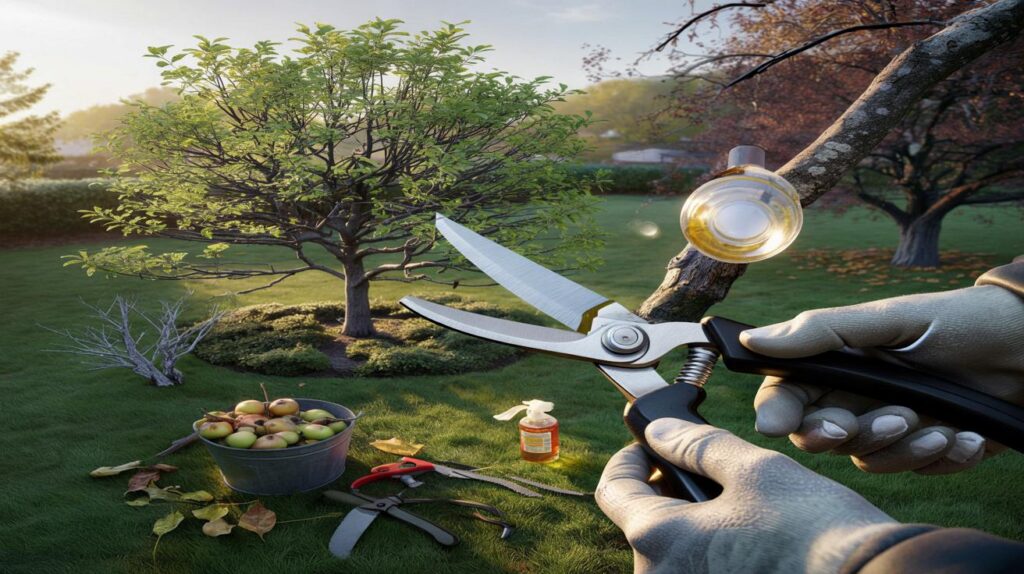
As the days shorten, a quiet task divides gardeners: some postpone it, while seasoned growers swear by its timing.
Across orchards and back gardens, experienced hands reach for secateurs in late October, not March. They remove dead and ill-placed wood while sap recedes, opening canopies to light and steering energy towards next year’s flower buds. That one deliberate move sets up heavier blossom, cleaner fruit and fewer disease setbacks when spring returns.
Why October is the real start of spring for fruit trees
Fruit trees shift gear as autumn bites. Shorter days and cooler nights drive dormancy, pushing carbohydrates down into roots and older wood. The tree banks energy and reduces sap pressure, which lowers the stress of pruning wounds and encourages quicker sealing of cuts.
Working with this biological clock pays off. Clearing dead and inward growth now improves airflow and light distribution through the canopy. Buds destined to flower receive more resources over winter, so they form stronger blossom clusters and set fruit more reliably.
Work with dormancy: prune when sap retreats, remove dead and inward wood, and direct reserves into next spring’s flowers.
Read the signals before you cut
- Leaves yellowing or falling steadily show sap is retreating and the pruning window has opened.
- Dead twigs snap cleanly, often grey inside, and may carry fungal growth or shrivelled “mummy” fruit.
- Crossing shoots rub bark, creating entry points for canker and rot; remove one of the pair.
- Shoots pointing into the centre cast shade; favour outward-facing buds for future cuts.
- Strong frost forecast? Wait for a dry, mild spell to avoid slow healing.
The October move experts never skip
The defining October gesture is a hygienic, structure-first tidy: take out dead, diseased and misdirected wood, then open the canopy so light can reach every spur. The aim is not cosmetic thinning; it is disease prevention and fruit-bud priming.
Step-by-step in 25 minutes per tree
Clean cuts that respect the branch collar heal faster. Stubs rot; flush cuts scar and invite infection.
Tools, timing and safety
- Sharp bypass secateurs for live wood up to a thumb’s thickness; anvil types crush fibres.
- Folding pruning saw for thicker branches; cut in stages to prevent bark tearing.
- Sturdy gloves and eye protection; bark chips and thorns cause nasty punctures.
- Disinfectant for tools and a brush to clean sap and debris from hinges.
- Choose a dry, bright day around late October to early November, before persistent hard frosts.
Mistakes that cost you fruit
- Taking off too much live wood in one go; limit to a third of the canopy on neglected trees.
- Cutting flush to the trunk; you remove the collar and slow healing.
- Leaving diseased mummies hanging; they seed brown rot next year.
- Skipping tool disinfection; pathogens spread fast between trees.
- Pruning when wet; spores spread quickly and cuts stay moist.
What happens next inside the tree
Clear structure increases light on fruiting spurs. Better light triggers stronger flower induction in latent buds, while improved airflow keeps surfaces drier, which reduces scab and brown rot pressure. With dead wood gone, the tree reallocates carbohydrates to healthy shoots and buds, building sturdy blossom and fewer weak, blind spurs.
Growers often report noticeable gains the very next season: more even bloom, fewer diseased clusters and larger, better-coloured fruit. In many orchards, missing this tidy can trim marketable yield by a third when disease hits hard, especially in wet springs.
| October task | Why it pays | Typical time |
|---|---|---|
| Remove dead and infected wood | Eliminates disease sources and redirects energy | 10–12 minutes |
| Thin crossing and inward shoots | Improves light and airflow for bud strength | 8–10 minutes |
| Spur spacing and tidy | Reduces fruit crowding and rot risk | 4–6 minutes |
Aftercare in the weeks ahead
Mulch the root zone with 5–7 cm of well-rotted compost, keeping bark clear, to protect roots and feed soil life. Water newly planted or shallow-rooted trees during dry spells, even in November, so they enter winter hydrated. Where label permits, a winter wash with horticultural oil on a calm, dry day suppresses overwintering aphid eggs and scale; follow local guidance.
Ten clean cuts now can prevent a hundred spring problems, from blossom blight to stunted, shaded fruit.
Numbers that help you plan
- Target three to four main scaffold branches per tree, well spaced around the trunk.
- Keep laterals at 45–60 degrees; steeper shoots give growth, flatter ones fruit.
- Space fruiting spurs at 15–20 cm; remove excess spurs on crowded wood.
- On neglected trees, improve across two to three seasons; remove no more than a third per year.
- Expect 20–40% fewer disease losses when dead wood and mummies are cleared before winter.
What to change by fruit type and site
Apples and pears tolerate autumn structural pruning well. Stone fruits such as cherries and apricots face canker risk in damp cold; restrict October work to dead and obviously diseased wood, and save heavier shaping for late spring in dry weather. In colder regions, bring the October window forward; in mild coastal sites, it can extend into November.
If you missed the window
Do a light sanitary tidy on the next dry, frost-free day. Avoid big cuts during hard frosts. Keep removing mummies and fallen leaves whenever you spot them; sanitation gives gains at any time. Plan a full structural session next autumn and set reminders now.
Two quick extras with outsized impact
Label branches with issues to tackle next year, such as crowded spurs or weak crotch angles, so you prune with a plan. Count a sample of fruiting spurs this winter and note blossom strength next spring; the numbers make your October work visible and help you refine cuts season by season.



Evidence for the 35% figure? Source or trial data, please.
The piece says apples and pears handle autumn pruning well, but stone fruits like cherries risk canker in damp cold—so why does the headline group cherries with apples? If I only remove dead/diseased cherry wood now and save shaping for late spring, do I still avoid the supposed 35% loss, or is that number apples-only? Clarity would help, esp. for wet regions.