
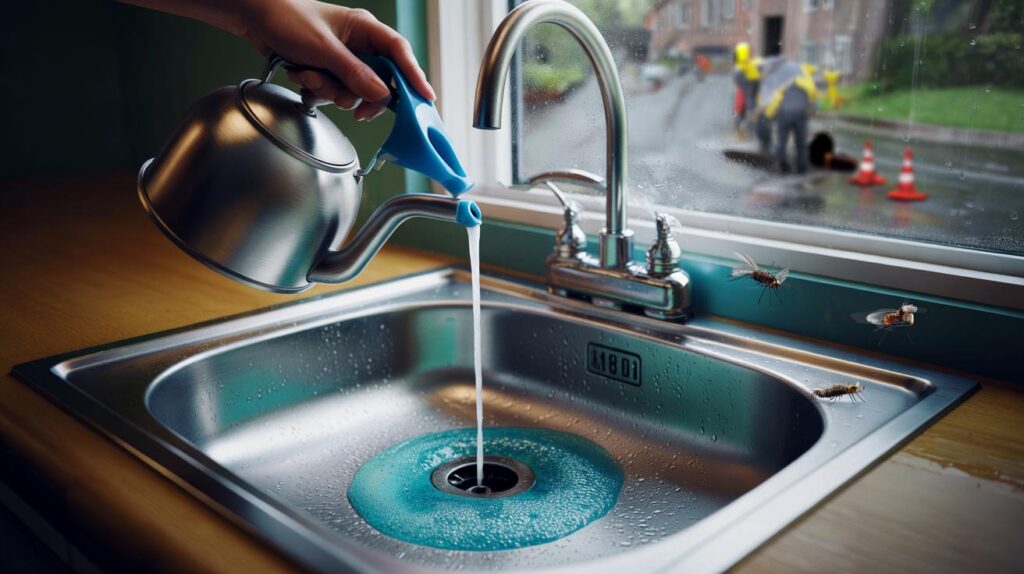
Brits are being urged to squeeze a little washing-up liquid down their drains. Not to polish the pipes, but to tackle the greasy film and tiny pests lurking where we never look. It sounds like a hack off TikTok — it’s actually grounded in plumbing and pest science.
The cue arrived in a quiet kitchen on a rainy Tuesday. A faintly sweet, off smell hovered at the plughole while the kettle steamed, and a couple of speck-sized flies clung to the splashback. My neighbour swore by a “two-second squirt” into the sink, then hot water. On the school run, a poster from the local water company warned about blockages, fatbergs, and the wrong things being poured away. Back home, the sink still looked innocent. The smell didn’t.
I tried the squeeze, waited, then chased it with heat. The flies didn’t love it, I’ll say that much. A week later, the smell had faded. Something else had shifted too — a sense that the easy thing might be the right thing. It isn’t about cleaning.
Why people are putting washing-up liquid down drains
Take a sink that smells “a bit like sweetness gone off”. That’s biofilm — a clingy layer where grease, soap scum and microscopic life build a home. Drain flies adore it, breeding in the gunk just below the plughole. A small shot of washing-up liquid slices into that film, loosening it so hot water can carry it away. The same trick thins light grease before it congeals deeper in the line.
Walk a London street with a wastewater crew and you’ll hear the word fatberg said with the sigh of someone who’s seen it all. Water UK estimates around 300,000 sewer blockages every year, with the majority linked to fat, oil, grease and wipes that never belonged in pipes to begin with. In one block I visited in Southwark, residents started a Sunday routine: kettles on, a quick squeeze down each plughole, then a flush. The drain flies vanished within a fortnight. The caretaker’s phone stopped ringing.
Washing-up liquid isn’t magic. It’s a surfactant, designed to break surface tension and emulsify light oils so they can disperse in water. In drains, that means two wins: biofilm gets less grippy, and small amounts of grease are less likely to stick and harden. Pair it with hot — not boiling — water and you lift the loosened film before it reattaches. Use it sparingly. We’re talking teaspoons, not half a bottle. This is control and prevention, not a licence to pour last night’s chip fat down the sink.
How to do it safely at home
Here’s the method many plumbers and pest pros quietly recommend. Once or twice a week, run the hot tap for 15–30 seconds to warm the pipe. Add a two-second squeeze of washing-up liquid straight into the plughole. Wait a minute so it clings to the upper pipework. Follow with a kettle of hot water that’s just off the boil if you’ve got metal pipes, or simply a full minute of very hot tap water for plastic. That’s it. Small, boring, effective.
Outside drains? Same logic. Clear leaves and food scraps first. Pour a mug of hot water mixed with a small squeeze around the gully edges where scum collects, then rinse with more hot water. Don’t mix detergents with bleach or drain acids. Ever. If you’ve poured fats down there for years, you might still need a pro clean. We’ve all had that moment where Friday night meets a tired sink and a corner cut. Let’s be honest: nobody does this every day.
Some readers ask if this is just a trend. It isn’t. It’s basic chemistry and a bit of routine, with a nod to the reality of UK pipes and the way we live. You don’t need to drown your drain in fragrance. You’re nudging the balance, not nuking it. The quiet fixes are often the ones that last.
“A little detergent helps starve drain flies by stripping away the slime they feed and breed in,” a wastewater engineer told me. “Used sparingly with hot water, it also keeps light grease moving so it doesn’t join the fatberg party.”
- Use a small squeeze, not a puddle.
- Flush with hot, not boiling, water if you have PVC pipes.
- Bin oils and wipes. The sink isn’t a bin.
- If smells persist, clean the trap and overflows, or call a pro.
The surprising part most people miss
There’s a bigger picture here. A tiny domestic habit can shift what happens in the hidden arteries under our streets. It means fewer drain flies in your kitchen this summer, and fewer grim sewer blockages in winter. It means the maintenance no one sees becomes a shared act, not a last-minute panic when the sink backs up before guests arrive. No hack will fix a system you keep overwhelming, but small signals to your pipes add up fast. Talk to your neighbours, share what works, and maybe we endure fewer warnings on lampposts. Leave the theatrics to social media; the real wins are quiet. It starts with a squeeze.
| Key points | Details | Interest for reader |
|---|---|---|
| Washing-up liquid loosens biofilm | Surfactants break surface tension so slime detaches and drains away | Fewer smells and drain flies at the plughole |
| Small amounts help prevent fatbergs | Light grease is emulsified and less likely to harden in pipes | Lower risk of blockages and costly call-outs |
| Method matters more than volume | Two-second squeeze + hot water; avoid chemical cocktails and boiling water in PVC | Safer, cheaper routine you can actually stick to |
FAQ :
- Is it safe to pour washing-up liquid down my drain?Yes in small amounts. A brief squeeze paired with hot water is fine for domestic pipes and helps reduce biofilm and light grease.
- How much should I use?Think teaspoons, not glugs — a two-second squeeze per plughole, once or twice a week.
- Will this harm the environment?Not when used sparingly and paired with biodegradable detergents. Avoid tipping large quantities, and never use it as a shortcut for disposing of oils.
- Can washing-up liquid unblock a toilet or a heavy clog?It can lubricate and help minor slowdowns, but stubborn clogs need a plunger, a drain snake, or a professional.
- What if the smell comes back quickly?Clean the trap, brush the overflow, and check outside gullies. If the issue persists, you may have a deeper blockage or venting problem.



Tried this last week and the sweet-off smell vanished by day three. Honestly didn’t expect a two-second squeeze to do anything, but it did. Cheers for the clear warning about PVC vs metal pipes — saved me from boiling-water bravado.
Isn’t this just pushing detergent into the sewers? Even “biodegradable” soaps can impact waterways if overused. What evidence shows this is net-better than a mechanical clean + binning grease? Genuinely curious, not snark.