
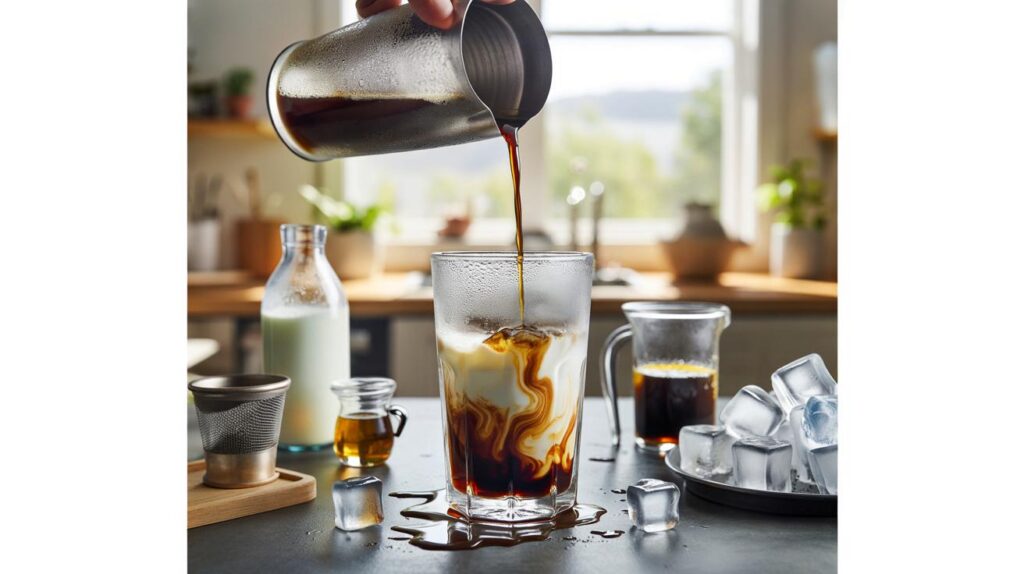
You love the lush, velvety iced coffee your favourite café serves, yet at home it so often turns thin and shy. The ice bites, the milk feels flat, the sweetness gets lost. Prices climb, queues get longer, and the craving doesn’t wait. There’s a way to bring that creamy café magic into your kitchen without a barista’s badge or expensive kit. The secret isn’t a single gadget. It’s a small set of habits, ratios, and textures that play together like a band.
The first heatwave of the year hit London and the city responded with condensation. I watched a barista snap a shaker full of espresso and milk over ice, arms moving like a drummer, and when she poured it out the stream looked like silk. Back home, I tried to copy it with a lazy pour, and the result was coffee-flavoured water wearing a milk costume.
On the second attempt, something clicked. I made the coffee stronger, cooled it properly, shook it until my fingers numbed, then cut it with milk that felt cold to its bones. The glass looked smug. The sip proved it. That texture can happen here.
The quiet science behind creaminess
What your café nails isn’t just the beans. It’s the dance between strength, fat, temperature, and air. Coffee’s natural oils, milk proteins, and ice work in a delicate balance. **Use a concentrate stronger than you think.** Then tame it with cold, creamy milk and enough air to feel plush on your tongue.
Watch a good barista and you’ll see rhythm: brew, chill, shake, pour. A quick stat from specialty shops: many iced lattes secretly start with a 1:2 espresso-to-milk ratio, but the trick is the pre-chilled shot or a swift shake to lock aroma and foam. A friend of mine saved £18 a week by switching to homemade sweet cream over cold brew, and it tasted like he’d hired a tiny barista to live in his fridge.
Here’s the logic. Brew strength needs to overshoot because ice melts and milk dilutes. Milk fat brings body; proteins bring microfoam. Cold temperatures thicken mouthfeel, while vigorous shaking or a quick froth adds tiny bubbles that read as creaminess. Sugar barely dissolves in the cold, so sweetness should arrive as a syrup or condensed milk, not granules. Get those variables aligned and you’re halfway to café-level texture.
Two roadmaps: cold brew creaminess, and the shaken iced latte
Option one: cold brew concentrate plus sweet cream. Use 80 g medium-coarse coffee to 400 ml cold water (1:5). Stir, cover, and steep 14–18 hours in the fridge. Strain twice for clarity. For the drink: 60 ml concentrate over a tall glass of hard, fresh ice, then 120–150 ml very cold whole milk or barista oat. Top with 20–30 ml vanilla simple syrup or a spoon of condensed milk. **Ice is an ingredient.** Treat it like one.
Option two: the shaken iced latte. Pull a double espresso or brew 60 ml strong Aeropress (18 g coffee, 120 ml water, 45 seconds). Fill a shaker with 6–8 large ice cubes, add coffee, 15–25 ml syrup, and 120 ml cold milk. Seal and shake like you mean it for 15–20 seconds. Strain onto fresh ice. You’ll see a creamy cap of microfoam and a glossy pour that clings to the glass. Let’s be honest: nobody really does that every day.
Common missteps? Warm milk thins the drink, and tiny freezer-burned ice melts too fast. Under-extracted coffee tastes hollow when chilled. Sugars added as crystals sink to the bottom. Oat milk can split if the coffee is piping hot, so cool the shot for 60 seconds, or shake everything together. We’ve all had that moment when the first sip tastes like cold tea and regret. Chill your glass for 5 minutes and grind a notch finer to boost body. *Shake harder than you think for 15 seconds.*
“Creaminess isn’t just fat. It’s structure: cold, air, and a strong base holding hands.” — Marta C., head roaster
- Quick kit: scale, jar with lid or shaker, fine sieve or French press, decent ice tray.
- Core ratios: 1:5 cold brew concentrate; 1 part coffee to 2–2.5 parts milk for lattes.
- Sweetness: 1:1 simple syrup, or 50/50 condensed milk and water for a richer finish.
- Milk picks: whole milk for plushness; barista oat or pea milk for stable foam.
- Ice: large cubes or spheres to slow dilution; top up fresh ice before pouring.
Your house, your café: tiny rituals that change the glass
The best iced coffee habit is a small one. Keep a jar of cold brew concentrate on the go and a bottle of syrup on the fridge door. Pre-chill milk and glasses. Switch to larger ice trays and rinse ice briefly to remove frost. **Cold sugar dissolves slowly—sweeten smart.** Add flavoured finishes—pinch of salt, drop of vanilla, or a dusting of cocoa—that snap the flavours into focus.
If you love ultra-creamy texture, blend 120 ml milk with 20 ml cream into “sweet cream” and float it gently over your coffee. For a café-style flash brew, brew 20 g fresh grounds through a pour-over using 120 g ice in the carafe and 180 g hot water over 2½ minutes. The result tastes hot-brew bright but lands cold and smooth. Good ice keeps it honest, good milk keeps it lush.
Think of the glass like a stage you set. Build from strength, add cold, then invite air. A 10-second whisk in a French press can foam cold milk enough for a pillowy top. If you’re dairy-free, pick barista versions for extra proteins that hold air better. A micro-splash of condensed milk can round harsh edges, while a pinch of salt reduces bitterness without tasting salty. Your mouth will notice, even if your eyes don’t.
There’s a quiet pleasure in getting this right. The first sip has weight, the second is cooler, and by the third, the ice has melted just enough to balance everything. You can push it sweeter or leaner, milkier or more coffee-forward, and it still sits on the tongue like velvet. Share your version with someone and watch their eyebrows rise a fraction.
| Point clé | Détail | Intérêt pour le lecteur |
|---|---|---|
| Strong base | Use 1:5 cold brew concentrate or a robust double shot | Prevents watery results after ice and milk |
| Cold plus air | Chill milk and glass; shake 15–20 seconds | Builds creamy mouthfeel without extra calories |
| Smart sweetness | Simple syrup or condensed milk, not granules | Even flavour, no gritty bottom of the glass |
FAQ :
- What coffee works best for creamy iced drinks?Medium to medium-dark roasts with chocolate or nutty notes. Washed origins from Brazil or Colombia are forgiving; blends made for milk shine.
- How do I stop my iced coffee tasting weak?Brew stronger than hot coffee, cool it, and pour over large, fresh ice. Keep a 1:2 coffee-to-milk ratio in mind for lattes, and use syrup for sweetness.
- Can I make it creamy without dairy?Yes. Use barista oat or pea milk for better proteins, shake hard for microfoam, and add a teaspoon of tahini or cashew butter for extra body if you like.
- Why does my oat milk split?The coffee’s too hot or too acidic. Let shots cool 60–90 seconds, or shake coffee and milk together with ice to stabilise. Choose “barista” cartons.
- What’s the simplest recipe that still tastes café-level?60 ml cold brew concentrate, 120 ml very cold whole milk, 20 ml vanilla syrup, fresh large ice, and a 10-second shake in a jar. Pour, smile, sip.



Tried the 1:5 cold brew concentrate with 20 ml vanilla syrup and very cold whole milk—actually café-level at home. Pre-chilling the glass and milk was definitley a win, and shaking in a jar for ~15 seconds gave me that microfoam cap I never get from lazy pours. I also rinsed the ice to ditch the frost, which seemed to slow dilution. Next test: barista oat vs whole milk. Either way, this saved me a queue and a fiver. Cheers for the clear ratios!
Isn’t shaking for 20 seconds overkill? I feel like it just waters it down faster. Why not stir gently and skip the microfoam hype?