
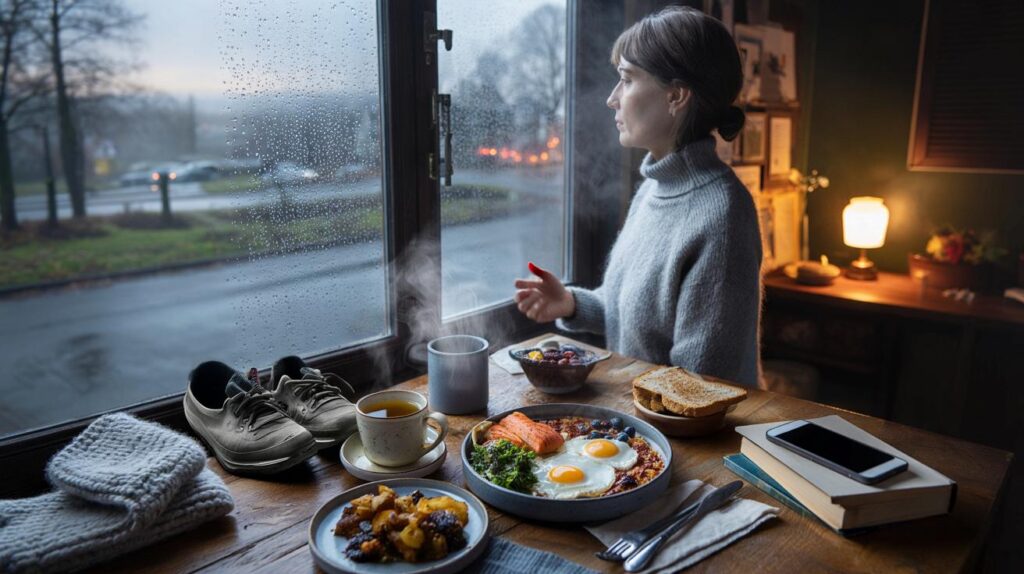
The first hint of winter isn’t the cold. It’s the quiet heaviness that settles into the late afternoon, the way your energy dips before dinner, the itch to hibernate even as your calendar stays loud. You don’t need a hard reset or a harsh cleanse. You need a slower gear, one that helps your body change seasons without a fight.
On a drizzly Tuesday in early November, the kitchen window fogged as the kettle clicked off. I watched the streetlights blink awake before 5pm and felt that unmistakable pull: slower legs, slower thoughts, a longing for soup and thicker socks. My phone hummed with ads for “winter detoxes” and “reset challenges”. A neighbour swore by a cold plunge, a colleague booked a boot camp, and the group chat debated supplements like they were lottery numbers. I tried a different experiment. I began to do less, and to do it on purpose. The result surprised me. Something settled.
Why a slow reset beats a quick detox
We think of winter as an obstacle course, a thing to bulldoze with discipline. The body disagrees. It leans into the dark and asks for deeper rest, warmer foods, more steady signals. You don’t need extreme habits or a saintly routine. You need an anchor. We’ve all had that moment when the clocks change and our minds change slower. That’s not a flaw. That’s biology asking for a softer landing.
Take Maya, 38, who tried a three-day juice cleanse every November. Day one, dizzy. Day two, wired at 2am. Day three, back to biscuits. Last year, she tried a slow reset: morning light outside, protein at breakfast, a ten-minute walk after lunch, screens wound down early. No drama, no hashtag. Two weeks in, she noticed fewer 4pm crashes and longer sleep. Lots of us feel a seasonal dip as daylight shrinks, and for many it’s not mild. The fix isn’t to sprint. It’s to re-teach the body the rhythm it’s craving.
Here’s the logic. Your circadian clock takes its cues from light, food timing, and movement. Winter nudges all three off course. A slow reset drips consistent signals into that clock: bright light soon after waking, stable meals, gentle motion, a predictable wind-down. That steadiness calms the nervous system and trims the background stress that makes you snacky and restless. The body loves rhythms more than rules.
The slow method: small moves, big winter
Start with a single anchor habit for 21 days: light, then fuel. Step outside within an hour of waking—no sunglasses, face the sky, even if it’s grey—for 8 to 12 minutes. Then eat a warm, protein-forward breakfast with fibre and colour. That’s it. Keep the rest of your day ordinary. If you want extra credit, add a ten-minute walk after lunch and a 45-minute phone-free wind-down before bed. Nothing heroic. Just repeat.
The trap is trying to “fix everything” on Monday. That panic-clean mindset torches willpower and makes the week feel like detention. Pick one lever and let it work. Let’s be honest: nobody actually does that every day. Miss a morning? Go again the next. If you’re adding light, don’t bury it under an avalanche of supplements or a punishing new gym plan. If you’re adding earlier dinners, don’t also give up all your favourites in one sweep. Steady beats perfect.
This approach isn’t sexy on Instagram, but it delivers quietly. You’ll notice steadier mornings first, then a different kind of afternoon—less “I need crisps now”, more “I could wait”. If you’re thinking, “I need proof,” borrow someone else’s for a week.
“Winter isn’t a battle to win. It’s a tide to lean into,” says a London GP who runs a small clinic for seasonal fatigue. “The body updates itself when you remove the noise and repeat the basics.”
- Morning light: 8–12 minutes outdoors, daily.
- Breakfast: 25–35g protein with fibre and something warm.
- Movement: 10-minute walk after lunch or calls.
- Evening: 45-minute screen dim and hot shower.
- Food mood: root veg, pulses, oily fish once or twice a week.
What shifts when you go slower
Two weeks into a slow reset, the edges soften. You wake a touch earlier without bargaining with yourself. The first coffee lands smoother. By late afternoon, you’re more level—no strange bargains with the snack drawer, no midnight scroll. Friends notice you reply faster to texts. You don’t feel saintly. You just feel like yourself, with less friction. **Small, repeatable signals tell your body it’s safe to power down when the day is done.** That safety unlocks better sleep, and better sleep rewires the rest.
Three weeks in, your ambitions change shape. You stop fantasising about big reinventions and start loving ordinary rituals. A brisk walk becomes your standing meeting with the sky. Soup feels like a choice, not a punishment. If you can’t get morning light, you open the curtains and brew tea by the window. You stop apologising for wanting warm food and earlier nights. You get boring, in the best possible way. **Boring is where the brain heals and the hormones listen.** The glow-up is quiet, and it lasts longer.
By the first frost, the goal isn’t to outrun winter. It’s to belong to it. You’ll still get slow days. You’ll still crave carbs. You’ll still have evenings where the sofa wins. That’s not failure; that’s winter being winter. Adjust your sprinting pace to a walking one and notice the world again: the high breath of cold air, the hush on a late train, the relief of a hot bowl balanced on your knees. **A slow reset doesn’t make you superhuman. It makes you seasonal, which is better.**
| Point clé | Détail | Intérêt pour le lecteur |
|---|---|---|
| Morning light anchor | 8–12 minutes outdoors within an hour of waking, even in cloud | Stabilises circadian rhythm and lifts daytime energy |
| Protein-first breakfast | 25–35g protein with fibre and something warm | Reduces 11am crashes and curbs afternoon cravings |
| Evening wind-down | 45-minute screen dim, hot shower, low light | Signals the body to produce melatonin and deepen sleep |
FAQ :
- How long does a slow reset take to feel?Many notice steadier mornings within 7–10 days, with deeper sleep and calmer afternoons by week three. Keep the anchor habit and let it compound.
- Do I need supplements like vitamin D?In darker months, vitamin D can help if you’re low; talk to your GP or pharmacist about dose. Food still matters: oily fish, eggs, and fortified foods support the base.
- Can I keep my coffee?Yes—place it after your light and breakfast. Try a cut-off 8 hours before bed and see if one fewer cup moves the needle on your sleep.
- Is cold water exposure necessary?No. If you enjoy it and it doesn’t spike anxiety, a brief cool finish can be refreshing. Warmth works too: hot showers, baths, and cosy layers aid wind-down.
- What if I work night shifts?Make your “morning” light when you wake, eat a protein-rich first meal, and keep a strict wind-down ritual before sleep. Blackout curtains and a consistent schedule are your friends.



Finally, advice that doesn’t scream detox or hustle. The “anchor habit” idea makes winter feel doable, not like a moral test. I love the permission to be boring and repeat the basics. Question: would a light box count on dark, stormy mornings, or does it need actual daylight?