
Across the UK, households are stretching budgets with smart styling tricks that turn small buys into standout moments at home.
Rising prices push many of us to rethink what we already own, and a quiet revolution has started on our walls. Simple IKEA frames, some from £6, now double as display cases, cover-ups and bright centrepieces, thanks to a wave of quick hacks shared by crafty users online.
Why IKEA frames are trending again
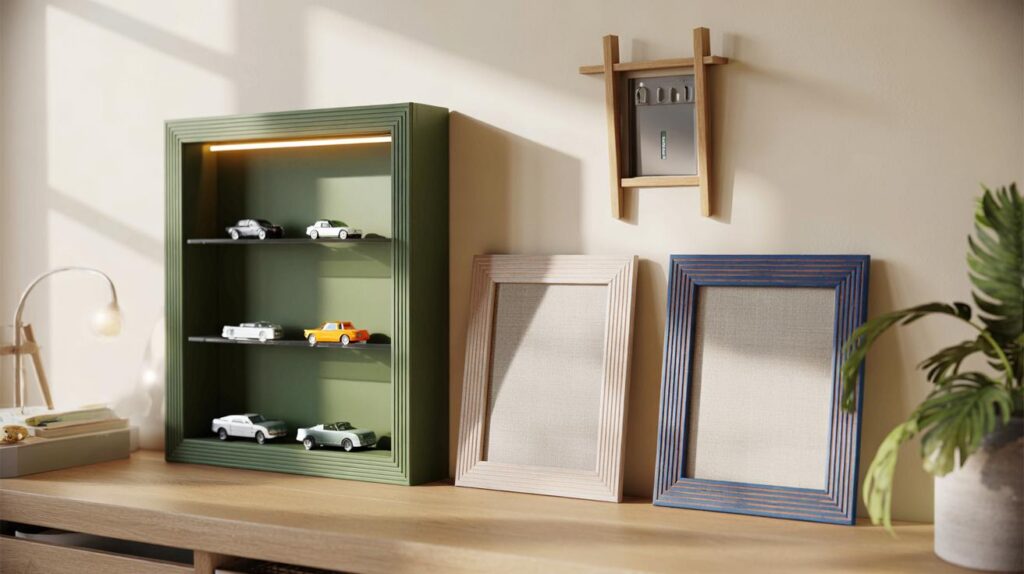
Flat-pack frames hit a sweet spot: low price, standard sizes and materials that take paint well. That mix puts them on millions of shelves and makes them ripe for improvement. TikTok creator Adrian Widjy has shown how to turn a deep frame into a toy-ready display cabinet. DIYer Camilla Bakken uses paired frames to hide a fuse board without ruining a room. Interiors fan Bradley Dreya adds moulding and paint to a slim aluminium frame for a statement finish. These clips spread fast because the steps feel doable and the outcome looks bespoke.
Shoppers also chase depth. A recessed or shadow-box profile creates space for objects, not just prints. That space lets you elevate a keepsake, showcase a figure or layer fabrics for texture. Throw in colour-matched paint and a touch of wood veneer and you get the warmth and detail often linked to costlier frames.
Turn a £6 frame into a £120-looking piece by adding depth, colour and texture in under an hour.
Three low-cost hacks with big impact
Shadow-box display with Sannahad-style depth
Use a deep frame such as IKEA’s SANNAHED to create a mini cabinet for small objects, model cars or collectible figures.
- Remove the glass and mat, and keep the backing board.
- Spray the inner sides with a durable satin paint for a gallery feel. Two light coats give a clean finish.
- Cut a sheet of acrylic to size if you want a safer, lighter “glass” front.
- Fix clear acrylic shelves or acrylic stands with solvent-free adhesive. Keep shelf spacing equal for a clean line.
- Reinstall the backing board after you position your items. Add a strip light rated for display use if you want a glow.
This approach echoes cabinet displays without the weight or price. It suits action figures, small plush toys or travel keepsakes. You can also swap the shelves for a linen-wrapped backing to hold pins or badges.
Hidden fuse box art with paired frames
A neat cover makes utility spaces less harsh. Camilla Bakken’s approach blends wall art with quick access. Use two RÖDALM frames in a simple hinge setup.
- Measure the board and add at least 30 mm clearance on all sides.
- Hinge two frames together so they open like a book. Lightweight piano hinges work well.
- Mount a shallow timber baton above and below the box to carry the weight.
- Hang the hinged frames from the batons using small brackets or French cleats.
- Fill the frames with prints, fabric or a cork tile so you can pin notes and meter readings.
Keep the cover easy to open, leave airflow gaps and check local rules before masking any service panel.
Choose prints that match the wall colour to reduce visual bulk. For renters, use high-strength removable strips and swap hinges for a simple lift-off bracket so you avoid drilling.
Striped moulding makeover for Lomviken
Bradley Dreya shows how slim aluminium frames like LOMVIKEN can pass for boutique pieces with moulding and a bold colour.
- Lightly sand the frame and wipe it down.
- Cut thin timber moulding into equal strips. Aim for 6–10 mm widths.
- Glue the strips to the face to build a ribbed pattern. Use masking tape to hold them while the glue cures.
- Prime the whole frame so paint bonds to both metal and wood.
- Mask a few stripes and spray a strong hue such as cobalt, forest green or rust red.
The ribbed surface throws gentle shadows and adds tactility. Pick a colour that echoes a cushion or rug. For a mid-century note, apply oak veneer banding to the outer edge and paint only the ribs.
Which frames, how much time and what they suit
| Model | Typical UK price band | Profile | Best use | Time needed | Skill level |
|---|---|---|---|---|---|
| SANNAHED | £7–£15 | Shadow-box depth | 3D display, small shelves, linen backers | 40–60 mins | Beginner |
| RÖDALM | From £7 | Shallow, wood look | Art cover for fuse boxes and meters | 45–75 mins | Beginner–intermediate |
| LOMVIKEN | From £12 | Slim aluminium | Moulding stripes, colour accents | 60–90 mins | Intermediate |
What you will spend and save
Designer shadow-box frames often sit between £80 and £150. A simple hack can land well below that. Here is a sample budget for one 40 x 50 cm upgrade:
- Frame: £12
- Spray primer and colour: £8
- Timber moulding or veneer banding: £6
- Adhesive and masking tape: £4
- Acrylic sheet (optional): £7
Total: £30–£37. The look reads high-end because the eye notices depth, texture and unified colour before it clocks the base item. That gap between materials cost and perceived value makes these projects popular with renters and first-time buyers.
A £30 makeover can mimic the warmth, depth and detailing of a frame four times the price.
Tips to avoid common pitfalls
- Prime first. Paint grips better and chips less on aluminium or slick laminates.
- Go light on coats. Thin passes prevent drips and give a smoother finish.
- Mind weight. Add shelves only to frames that can hold them; test with a spare piece first.
- Use solvent-free adhesives indoors. They smell less and cure predictably on mixed materials.
- Leave access. If you cover a fuse box, keep a clear swing and label the hinge side.
- Check fixings. Heavy displays need wall plugs fit for the wall type: brick, block or plasterboard.
Style ideas that lift the result
Match the frame colour to the wall for a calm, gallery look, then let the art or object pop. Or choose a complementary shade pulled from a nearby textile. For texture, wrap the backing board in linen, bouclé or cork. You can also lay marbled paper behind a shelf to set a vintage tone without hunting rare prints.
For kids’ rooms, paint the frame and inner edges in two tones. Mask a 10 mm border to create a neat inlay effect. Use wipeable paint so sticky hands do not stain it.
For renters and small spaces
Stick-on hooks and Velcro-style strips handle lighter frames and make moving day easier. If you need to hide a router or fibre box, hinge a single deep frame over it with small magnetic catches. Leave a gap for cables and heat, and pick breathable materials. Keep anything electrical clear of fabric and never block vents.
A term to know and a quick planning exercise
Veneer banding: This thin wood strip comes pre-glued or raw. Iron-on banding bonds fast on straight edges and adds real grain to a budget frame. Sand and seal it with a water-based varnish to keep the colour stable.
Do a layout test before you cut. Tape paper templates to the wall at the exact frame sizes. Step back and check sightlines from the sofa and the door. Adjust gaps to 50–70 mm for a tight gallery, or 100–120 mm if you want air between pieces.



Tried the SANNAHED shadow-box today—two light coats, acrylic shelves, backed with linen—looks shockingly high-end for ~£35. Drying took longer than cutting, but the result is defintely “boutique”. Nice call on keeping shelf spacing equal.