
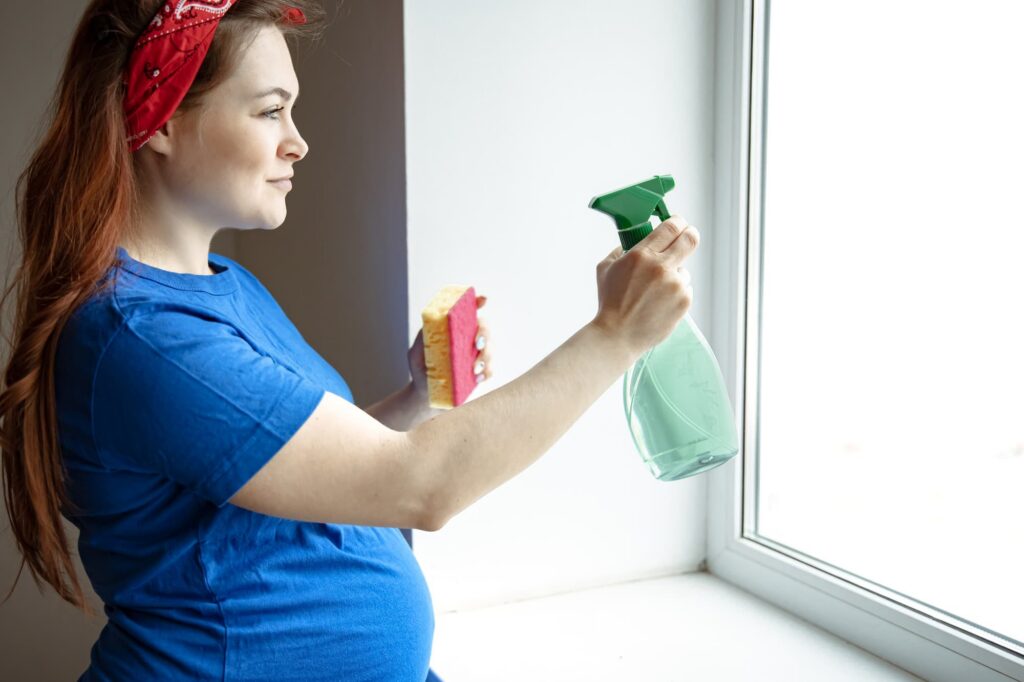
It shows every streak, every breath mark on the glass. When you clean your windows now, you want them to stay spotless for months – without harsh chemicals or endless polishing. That’s where a small, almost forgotten trick comes in: one spoonful of a simple substance that changes your cleaning water and keeps glass clearer for longer. It’s not magic – just a bit of household wisdom with a touch of chemistry.
Saturday, just after nine. The sun hits the kitchen window at a low angle, revealing every trace of the past few weeks: crumbs, heating residue, tiny fingerprints – everything shows. I fill the bucket, grab a cloth, and my neighbour calls from her balcony: “Use glycerine. One spoonful in the water.” She smiles that confident smile of someone who knows it works. I try it, sceptical as always about miracle hacks. An hour later, the glass sparkles, the light feels brighter, and the streaks don’t come back. Days pass. Then weeks. It’s as if the glass itself stays clean longer. The best part? It costs next to nothing – just one spoonful.
Why one spoonful of glycerine wins the winter
The idea is simple: add a small amount of glycerine to your cleaning water. It leaves behind an ultra-thin, invisible film on the glass that makes it less attractive to dust and heating residue. The result doesn’t appear on day one – it appears on day ten. Suddenly, you clean less often. Rainwater runs off more evenly instead of forming droplets. It feels like a quiet little victory against winter grime.
We even tested it in the building: three flats, twelve windows. Half were cleaned with the glycerine mix, half with normal water. After eight weeks, the “glycerine windows” still looked noticeably clearer – fewer smudges, less haze at the edges. In my kitchen, where steam and cooking usually fog up the glass, it stayed clear longer. A neighbour tried it on her bathroom mirror – less fog after showers. Not zero, but enough to notice.
What happens chemically? Glycerine is hygroscopic – it binds moisture. On glass, it creates a super-thin, even layer that prevents condensation from forming droplets, letting water spread as a fine film instead. Fewer droplets mean fewer dried watermarks. It also has mild antistatic properties, so dust sticks less. Combined with a splash of vinegar to tackle limescale and a drop of dish soap to cut grease, you get a mix that not only cleans but keeps surfaces calm. One spoonful, big difference.
How to mix the magic – step by step
Take a bucket with about one litre of lukewarm water. Add 1 tablespoon of glycerine (vegetable or pharmaceutical grade – available in drugstores or pharmacies). Add 1 tablespoon of white vinegar and a small squirt of dish soap. Stir well. Wash the glass with a damp microfiber cloth, then use a squeegee to pull water straight down. Finish by buffing with a lint-free cloth – that final polish makes all the difference.
We all know that moment when the sun hits the window and shows every streak we thought we’d wiped away. The right sequence helps: wash, squeegee, polish. Avoid too much dish soap – it leaves residue. Don’t clean in direct sunlight or frost; cold glass streaks easily. Use microfiber, not paper towels – paper sheds fibres that become visible under light. Let’s be honest: no one does this daily, so the extra step is worth it.
“One spoonful of glycerine in the cleaning water – it works surprisingly well every time.” — Ralf K., building caretaker, 58
Quick formula to remember
-
Dosage: 1 L water, 1 tbsp glycerine, 1 tbsp vinegar, 1 drop of dish soap
-
Tools: sharp-edged squeegee, soft microfiber cloth, dry polishing cloth
-
Timing: avoid direct sunlight – no streaks, no glare
-
Frame care: dust before cleaning to prevent scratches
-
Alternative: no glycerine? Use 1 teaspoon of rinse aid – similar surface tension effect
How it works, its limits – and why it’s so practical
This isn’t a magic coating – it’s a buffer against daily buildup. Grease wipes away more easily, limescale leaves fewer marks, and condensation behaves politely. When the heating hums and snow falls outside, the glass stays calm. The effect lasts about six to ten weeks before fading gradually. The charm lies in balance: fewer cleaning rounds, fewer products, less frustration – and a story worth passing on.
| Key Point | Detail | Why It Matters |
|---|---|---|
| Glycerine in cleaning water | 1 tbsp per 1 L of lukewarm water | Keeps windows clearer, reduces dust film |
| Proper order | Wash – Squeegee – Polish dry | Streak-free results without harsh chemicals |
| Common mistakes | Don’t overdose, avoid sunlight, use microfiber | Consistent results, less rework |
FAQ
Which “substance” is meant?
Glycerine – ideally vegetable or pharmaceutical grade. Available in pharmacies, drugstores, or online.
How long does the effect last?
Typically 6–10 weeks depending on humidity, heating, and weather. Then simply re-clean or remake the mix.
Is it safe for window frames and seals?
Yes. In small quantities, glycerine is harmless. Just don’t let it sit on untreated wood – wipe dry afterward.
Can I use rinse aid instead of glycerine?
Yes, for a quick result: 1 teaspoon of rinse aid per litre of water reduces water marks. Glycerine lasts longer, though.
What if I still get streaks?
Usually too much product is the problem. Use less soap, fresh water, a sharp squeegee edge, and finish with a dry polish.


