
A viral kitchen shortcut claims to slash food waste and your weekly bill. Shoppers are trying it, and scientists are weighing in.
Social feeds are buzzing with a banana storage tip that promises nearly a month of freshness using nothing more than a lidded glass jar and your fridge. The method, shared by food creator Amy Cross, has surprised followers who expected hours, not weeks, of extra life from cut fruit.
How the 26-day banana hack works
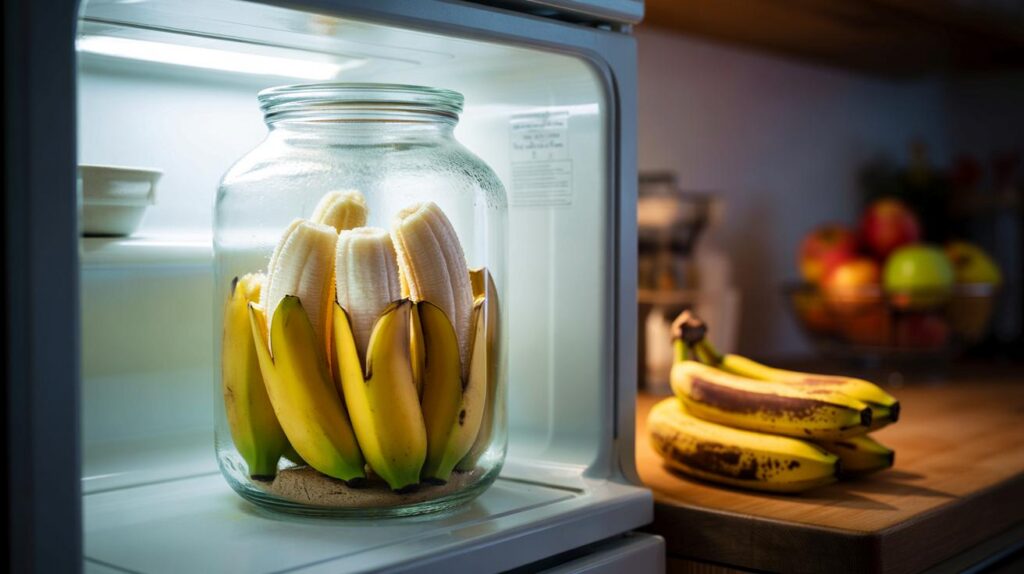
The technique looks disarmingly simple. Take ripe bananas, slice them into large chunks while keeping the peel on each piece, place the pieces upright in a clean, dry glass jar, seal the lid, and refrigerate. The creator reports the pieces retained yellow skins and usable texture after 26 days.
Sliced bananas stored upright, peel on, in a sealed glass jar in the fridge reportedly stayed yellow for 26 days.
This flies in the face of what most of us expect. Bananas race through ripening, then soften, spot and brown. Many tips focus on slowing ethylene-driven ripening at room temperature. This one shifts the fruit into the cold as soon as it’s cut, banking on chemistry and containment to do the heavy lifting.
Why would this slow browning?
Browning has two main drivers. First, ripening accelerates as bananas release ethylene gas; warmer rooms speed that cascade. Second, once the flesh meets oxygen, enzymes trigger the familiar brown colour. The jar method aims at both problems. Cold curbs enzyme activity, while the sealed container limits air exchange and moisture loss. Keeping the peel on each piece adds a natural barrier over most of the surface.
There is a wrinkle. Bananas dislike deep cold. Below roughly 12°C, peel damage and off-notes can develop. Domestic fridges sit nearer 4°C. Even so, many households already chill ripe bananas to buy time, accepting some skin browning while the inside stays firm. A jar can buffer temperature swings and create a humid microclimate that reduces dehydration.
What food science suggests
Food technologists point to three effects at play: lower temperature slowing polyphenol oxidase, reduced oxygen around the cut ends, and higher humidity preventing the flesh from drying and darkening. Acid also helps on cut surfaces, which is why a spritz of lemon or pineapple juice keeps fruit salad bright. The jar method does not add acid, but it limits the oxygen those enzymes need.
Cold slows the enzymes that brown cut fruit; low oxygen and higher humidity slow them further.
None of this guarantees success for every fridge or batch. Texture, cultivar, ripeness starting point and how carefully you handle the fruit all matter. One household’s 26 days could be another’s 10.
Safety and taste checks
Twenty-six days is a long time for fresh fruit, even in the cold. Trust your senses. If you notice off smells, visible mould, weeping liquid or an alcoholic note, bin it. Start with a scrupulously clean jar, dry the inside fully, and avoid trapping condensation. A small square of kitchen paper at the base can catch droplets.
- Wash hands and knife before slicing; avoid touching the cut surfaces.
- Use a glass jar with a tight lid; plastic can retain odours.
- Chill promptly; don’t leave the jar out on the worktop.
- Open the jar briefly and infrequently to limit warm air and moisture swings.
- Label the date so you know how long the fruit has been stored.
Step-by-step: try it at home
- Choose bananas that are yellow with only a few spots; very green fruit may turn dull in the cold.
- Slice into two or three large pieces through the peel; keep most flesh covered by skin.
- Stand pieces upright in a dry jar; avoid packing them tightly.
- Seal the lid and place the jar on a middle shelf of the fridge, not the coldest back corner.
- When ready to eat, peel away the skin and trim a thin slice from the exposed end if it has darkened.
Does it save you money?
Small gains add up. Say you regularly throw away two bananas each week at 20p each. That’s roughly £20 a year. Stretching their life means fewer mid-week top-ups and less fruit heading for the bin. The jar and lid cost nothing if you already own them, and the method takes under a minute.
Other ways to keep bananas usable for longer
| Method | What it targets | Typical extra life |
|---|---|---|
| Sealed glass jar in the fridge (peel on) | Low oxygen, cold, humidity | Up to several weeks reported |
| Wrap stems with cling film or foil | Slows ethylene from stem | 2–4 days at room temperature |
| Hang bananas on a hook | Reduces bruising and pressure | 1–3 days at room temperature |
| Keep away from apples, pears, avocados | Lower exposure to ethylene | 1–3 days at room temperature |
| Spritz cut fruit with lemon or pineapple juice | Acid inhibits browning enzymes | 8–24 hours in the fridge |
| Refrigerate once fully ripe | Cold slows ripening | 3–6 days, peel may darken |
Best storage temperatures and locations
Bananas ripen best around 12°C. A warm kitchen speeds softening and browning, especially near ovens or sunny windows. A cool, shaded room works better for bunches that still need to ripen. Once they reach the colour you like, move them to the fridge to slow further change. Keep them away from strong-smelling foods, and don’t crowd them into a fruit bowl with high ethylene emitters such as apples.
For peeled bananas and fruit salads
Once you peel, the clock ticks fast. Brush or mist slices with lemon, lime or pineapple juice, then cover and refrigerate. A tight lid and a shallow container reduce air contact. For lunchboxes, freeze banana coins the night before; they thaw to cool, sweet bites by midday without turning mushy.
Common pitfalls that spoil the fruit
- Washing before storage leaves moisture on the skin; that invites mould. Rinse only just before eating.
- Sealing warm fruit traps steam; let freshly bought bananas cool to room temperature away from heat sources.
- Stashing jars at the back of the fridge risks partial freezing and cell damage; use the middle shelf.
- Overfilling the jar restricts airflow; give each piece space.
Beyond bananas: make ethylene work for you
Ethylene can be a friend or foe. Want avocados ripe by Friday? Put them in a paper bag with a banana on Wednesday. Want to hold strawberries? Keep them separate and cold. Managing that single gas across your fruit bowl reduces waste without gadgets.
Aim for about 12°C while ripening; shift ripe bananas to the fridge, and keep them away from other ethylene-heavy fruit.
Planning a week of ripeness
Buy a mix: a couple of yellow bananas for today, a few greenish ones for later in the week, and one spare to chill in a jar if plans change. If any tip into overripe territory, peel and freeze for smoothies, pancakes or banana bread batter. That way, the jar trick becomes one tool in a small, reliable kit for getting through the week with zero waste and no sad, browning fruit at the back of the bowl.



I definitey didn’t expect sliced bananas to last beyond a week, but jar + peel-on got me to day 14 without weird smells. Appreciate the safety notes about mold and alcohol hints.
26 days sounds wild. Aren’t you worried about flavor dulling at 4°C and peel chill injury? Any controlled tests or cultivar notes beyond one creator’s report?