
A small change on your banking app could reshape how you handle cash on the high street this autumn.
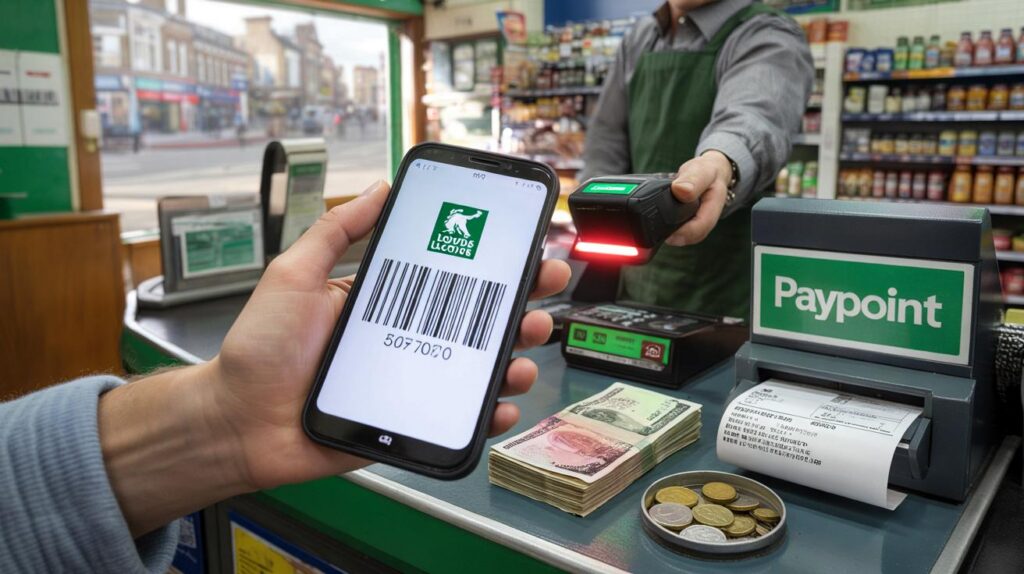
From September 2025, Lloyds Bank customers will get a new way to pay in notes and coins without visiting a branch. A barcode generated in the mobile app will let you hand cash to a shop assistant at tens of thousands of counters across the UK.
What is changing
Lloyds is launching barcode cash deposits through the Lloyds mobile app. You create a barcode in the Everyday section, walk to a participating PayPoint retailer, and hand over your cash. The cashier scans the barcode and the deposit goes to your account.
New limits apply: up to £300 per day in notes and coins, capped at £600 per calendar month. Each barcode lasts two hours.
The rollout will make Lloyds the first big UK bank to formalise a £300 daily cap for app-generated cash deposits at retail counters. It is designed for quick top-ups, not large cash lodgements.
How the barcode deposits work
- Open the Lloyds app and go to the Everyday section.
- Generate a one-time barcode for a cash deposit.
- Visit a participating PayPoint store and present the barcode at the till.
- Hand over notes and coins; the shop scans the code and accepts the cash.
- Keep the receipt and check the app to see the deposit appear.
The bank says the barcode is valid for two hours, so time your visit. If it expires, create a fresh code in the app. The feature is built for speed and uses existing PayPoint tills found in local convenience stores and petrol stations.
Where you can use it
More than 30,000 PayPoint locations will support the service, and 94% of sites trade seven days a week. According to the network, 99.5% of people live within a mile of a PayPoint retailer, widening access for customers far from city centres.
Over 30,000 counters, most open daily: the service brings deposits to your closest corner shop.
Why it matters for people living far from branches
Branch closures have pushed many customers toward online banking, yet cash still plays a role in day-to-day budgets. Parents managing pocket money, carers collecting contributions, and side-hustle sellers taking weekend takings all need simple ways to bank cash. Shifting deposits to local shops extends coverage to places where a traditional counter no longer exists.
It also spreads footfall. Rather than queueing on a lunchbreak at a central branch, customers can walk to a neighbourhood PayPoint on the school run or while buying groceries.
Other ways to pay in cash with Lloyds
- Branches of Lloyds, Halifax and Bank of Scotland still accept cash deposits at the counter.
- Cash in and out machines remain available in many locations.
- Banking Hubs offer shared counter services run by the Post Office.
- 11,500 Post Office branches handle everyday deposits and withdrawals for Lloyds customers.
The barcode route sits alongside these existing options. It does not replace branches or Post Office counters, but gives an extra path that may be closer and open longer hours.
Limits, timing and practical checks
The deposit cap is £300 per day, in any mix of notes and coins. The monthly ceiling is £600. That means you can pay in £300 on Monday and another £300 on Friday, then wait until the next month for further barcode deposits. You can still use other deposit routes if you need to lodge larger sums.
The two-hour barcode window reduces the risk of lost or misused codes. It encourages same-day deposits rather than leaving the code unused. Stores set their own counter hours, so night-time deposits depend on local opening times.
At-a-glance comparison
| Method | Where | Availability | Daily cap | Monthly cap | Notes |
|---|---|---|---|---|---|
| Barcode at PayPoint | 30,000+ retail counters | Many open seven days | £300 | £600 | Barcode valid two hours; notes and coins accepted |
| Branch counter | Lloyds, Halifax, Bank of Scotland | During branch hours | Varies | Varies | Suitable for larger sums |
| Post Office counter | 11,500 branches | During Post Office hours | Varies | Varies | Everyday deposits and withdrawals |
| Cash in/out machines | Selected locations | Extended hours at many sites | Machine limits apply | Machine limits apply | Self-service, quick |
Fees, receipts and proof
Lloyds states the feature accepts notes and coins at PayPoint tills. A receipt from the retailer and an in‑app record provide proof. The launch detail does not mention a fee for using the barcode route. Check your app before travelling, as conditions can change.
Who gains the most
People paid in cash, such as market traders or pub staff, can bank smaller amounts promptly without a detour. Students and renters splitting household costs can lodge contributions on the go. Carers handling petty cash for shopping can pay in change and notes at the nearest late-opening store.
Communities with limited transport options gain a nearby deposit point. PayPoint’s reach means a village convenience store may now double as a cash desk for Lloyds customers.
Step-by-step example to stay under the cap
- Week 1: Deposit £150 on Tuesday and £150 on Thursday (total £300).
- Week 2: Deposit £200 on Monday and £100 on Saturday (total £300).
- You have reached £600 for the month via barcode. Use a branch, Post Office or a new month for more.
What about security and privacy
The time-limited barcode reduces reuse risk. The code links to your account through the app, not your card, which limits exposure of card details at the till. As with any cash transaction, keep the paper receipt and check your balance after the deposit lands.
What to do now
- Update the Lloyds app to ensure the barcode feature appears in the Everyday section.
- Use the app’s store locator to find your nearest PayPoint and note opening hours.
- Set a monthly reminder so you do not hit the £600 ceiling by accident.
- Sort coins before you go to speed up the till process.
- Keep receipts until the deposit shows in your account history.
The broader picture for cash access
Barcode deposits add another strand to the UK’s patchwork of cash services. PayPoint counters, Post Offices and Banking Hubs all support cash handling as banks reshape their physical networks. For many households, a £300-a-day path will be enough for normal routines, while larger cash takings still fit better at a branch or Post Office counter.
For budgeting, small frequent deposits can help ring‑fence spending money. If you plan a holiday or festival float, map out how the £600 monthly cap fits your timeline. Those who rarely use cash might value the peace of mind of a nearby deposit option when spare notes pile up at home.



£600/month via barcode feels tight if you’re paid in cash—market stall till, pub tips, etc. Are there higher limits at Post Office counters, or will Lloyds review this after launch? Also, will stores refuse large coin mixes?