
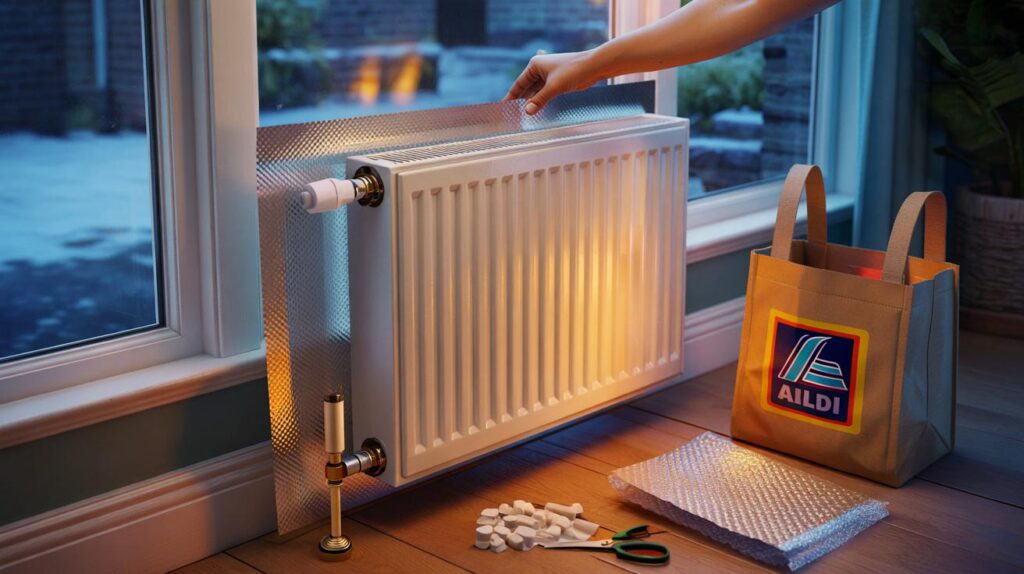
As temperatures dip and bills bite, a small tweak to your radiators could make rooms feel warmer for less this winter.
Aldi is rolling out a budget-friendly pack of radiator reflectors next week, and the timing could help households tighten control of heating costs as cold weather moves in.
Why radiator reflectors are back on shoppers’ lists
The supermarket’s latest Specialbuys include radiator reflector panels priced at £9.99, arriving in UK stores on Thursday 23 October. The sheets are designed to sit behind radiators on external walls and bounce warmth back into the room instead of letting it seep through the brickwork. It’s a small job, but one with a clear physics lesson: radiators emit a lot of infrared heat, and metalised surfaces send a large chunk of that heat back where you need it.
MoneySavingExpert founder Martin Lewis has long flagged radiator reflectors as a low-cost way to reduce wasted heat during autumn and winter. He doesn’t endorse a particular brand, but his rule of thumb is simple: target external-wall radiators first so you’re not warming the outdoors. That approach aligns with energy advice from heating engineers, who note that behind many radiators sits one of the coldest surfaces in the home.
The £9.99 pack claims to reflect up to 86% of infrared heat, includes self-adhesive strips, and can cover as many as three radiators.
Aldi says the panels use a high-emissivity surface and foam bubble layers to boost thermal performance. For renters, the self-adhesive fixings and easy removal are a draw; for owners, it’s a quick Saturday job before the boiler gets a real workout.
How much could you save?
Savings vary widely by home type, boiler efficiency and how you run your heating. Radiator reflectors mainly help where radiators sit on external walls — in many UK homes, that’s two to four radiators. Independent tests on similar products suggest you can trim several percentage points off your space-heating demand by reducing wall losses behind those units.
Here’s a simple way to think about it. If your household spends about £600 to £1,200 on gas heating across the year, a 3% to 5% reduction from reflector panels could mean roughly £18 to £60 saved. The real win comes if the warmer-feeling room lets you nudge the thermostat down by 1°C. That often cuts heating use by around 10%, which could equate to £60 to £120 for a typical bill. Not guaranteed, but realistic when combined with other tweaks like closing doors, bleeding radiators and using thermostatic radiator valves properly.
Think of reflectors as a nudge: less heat lost through walls, more comfort in the room, and a better chance to dial down the thermostat.
Fast fit: how to install them in 10 minutes
- Measure the radiator width and the usable space behind it, avoiding brackets and pipes.
- Cut the reflector sheet to size with a small border for easier positioning.
- Stick the supplied self-adhesive pads to the sheet corners and edges.
- Fix the panel to the wall behind the radiator, shiny side facing the radiator.
- Prioritise radiators on external walls or under windows for the biggest gain.
- Leave a slim air gap so moisture doesn’t build up; check the wall periodically.
- For zero-cost experimentation, kitchen foil can be used, though it’s less effective and more fiddly.
Who benefits most
Tenants in draughty flats, families in older properties with uninsulated walls, and anyone heating one or two rooms through the evening will feel the difference quickest. If your lounge radiator sits on a chilly outside wall, reflectors are a sensible first step before pricier upgrades. They also pair neatly with thermostatic radiator valves: reflect more heat into the room, then set a slightly lower TRV position for the same comfort.
The Aldi winter line-up and prices
Aldi’s reflectors are part of a broader “heat the human, not the home” push arriving in two drops: 23 and 26 October. The range includes heated textiles, compact heaters and a dehumidifier aimed at tackling damp, which makes rooms feel colder.
| Product | Price | Available from | Notes |
|---|---|---|---|
| Radiator reflector | £9.99 | 23 Oct | Reflects up to 86% IR; fits up to three radiators; self-adhesive |
| Multi‑purpose insulation wrap | £9.99 | 23 Oct | Three-layer bubble foil for extra insulation jobs |
| Ceramic personal heater | £14.99 | 23 Oct | Compact; quoted cost about 32p per hour |
| Oscillating ceramic tower heater | £24.99 | 23 Oct | Room-wide oscillation; quoted cost about 53p per hour |
| Dehumidifier (2L tank) | £39.99 | 23 Oct | For rooms up to 15 m²; portable and quiet |
| Heating blanket | £24.99 | 26 Oct | Four heat layers; digital controller; machine washable at 30°C |
| Heated mattress pads | £14.99–£24.99 | 26 Oct | Single, double, king; dual zones on larger sizes |
| Premium hot water bottle | £6.99 | 26 Oct | Long cushion or body wrap styles; multiple colours |
Smart ways to use small heaters and heated textiles
- Heat the person, not the whole house: electric blankets, heated throws and mattress pads warm your body directly, often using far less power than firing up central heating for hours.
- Target one room: a personal ceramic heater can be cheaper than heating the entire home when you’re working at a desk or watching TV in a single space.
- Time it right: set heated bedding to pre-warm for 15–30 minutes, then reduce to a lower setting.
- Tackle damp: a dehumidifier can reduce the “clammy cold” and speed up drying laundry indoors, which helps you avoid switching on the whole system for longer.
Running-cost pointers
Aldi quotes around 53p per hour for its tower heater and 32p per hour for the personal heater, based on typical electricity rates. That means the personal unit could cost roughly £1.60 for a five-hour evening, while the tower heater would come in around £2.65 for the same period. If you only need localised warmth, the smaller device is the more economical pick.
For heated blankets and mattress pads, the input is usually a fraction of a fan heater. Many models sip tens of watts rather than kilowatts, so two hours of gentle heat can cost pennies rather than pounds. Always check the wattage on the label and multiply by your unit price to get a personalised estimate.
Extra gains from simple tweaks
Bleed radiators that gurgle or feel cooler at the top; trapped air wastes energy. Keep furniture a few centimetres off radiators so heat can circulate. Shut doors to avoid heating halls and landings. If you’ve got a smart meter, watch the in-home display while trying different routines for a week. You’ll quickly see which habits move the needle.
There’s also a comfort bonus to reflectors that rarely gets mentioned. By warming the room air rather than the wall behind the radiator, you reduce cold-surface radiation that makes rooms feel chilly even at the same air temperature. Less radiant chill can mean you feel comfortable at a slightly lower thermostat setting — that’s where the bigger savings emerge.
Best practice: fit reflectors to external-wall radiators first, combine with TRVs, and test a 1°C thermostat reduction for a week.
A quick checklist before you buy
- Count radiators on external walls; one pack may do up to three units.
- Measure space behind radiators with narrow clearances; you may need to trim carefully.
- Check walls for existing damp; leave a small air gap and monitor after installation.
- If you rent, self-adhesive panels are easier to remove without marks.
Shoppers keen on a wider “stay warm for less” kit can also look at low-cost accessories often recommended by the MoneySavingExpert team: USB gloves, heated insoles, reusable hand warmers, electric gilets, microwaveable wheat bags and extra-long hot water bottles. These items focus warmth where your body senses it most — hands, feet and core — letting you hold back on central heating when you’re stationary.
Combine the £9.99 reflector pack with a few of those personal warmers and a tighter heating schedule, and you stack multiple marginal gains. That’s the sensible approach this winter: nudge heat towards people, block the obvious leaks, and make the boiler work only when and where it truly pays.



£9.99? Take my money.