
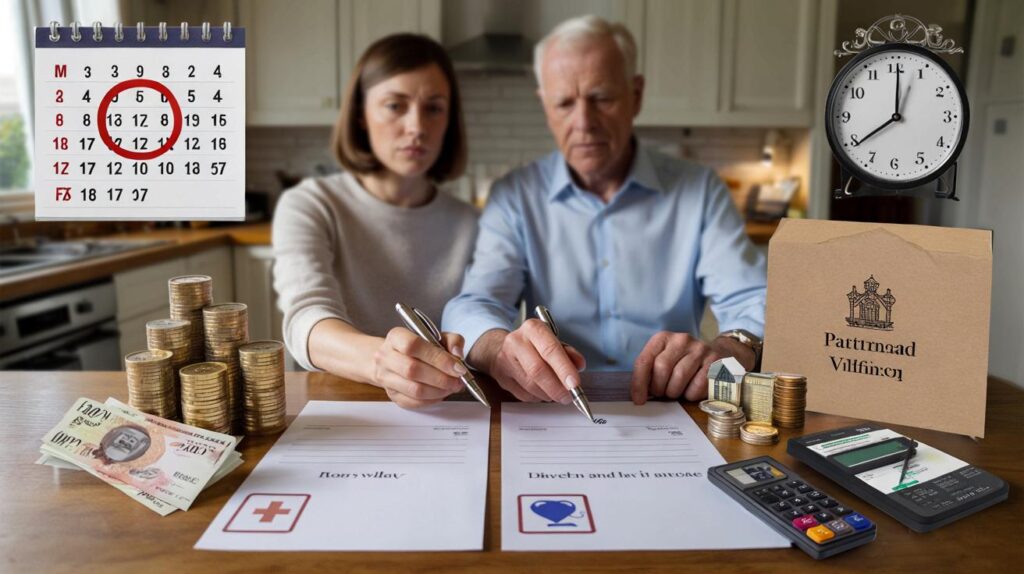
Families juggling bills and care costs face an awkward question: which piece of paperwork could spare months of stress later?
Martin Lewis has urged households to set up a lasting power of attorney, warning that without it loved ones can be shut out of bank accounts and decision‑making if someone loses capacity. The fee is £82 per document in England and Wales for now, but the government says this will rise to £92 on 17 November.
What Martin Lewis is warning about
The MoneySavingExpert founder says too few people arrange a power of attorney while they are well. He argues it can matter even more than a will because incapacity can freeze access to your money long before death is a consideration.
If you lose capacity without a registered LPA, family members may be unable to pay your mortgage, settle care bills or manage direct debits.
In that situation, relatives often need to apply to the Court of Protection for deputyship. That process can take months, involves forms, medical evidence and fees, and places additional strain on families already dealing with health crises.
What a lasting power of attorney actually does
An LPA is a legal document where you (the donor) appoint trusted people (attorneys) to act for you if you cannot decide for yourself. You remain in control while you have capacity, and you can set limits and instructions.
Two types you can set up
- Health and welfare LPA: used for decisions about care, medical treatment and day‑to‑day life when you lack capacity.
- Property and financial affairs LPA: used for money and property decisions; you can allow it to be used before loss of capacity if you wish.
Typical decisions covered
- Health and welfare: medical consent, care‑home choices, daily routine, and, if you authorise it, life‑sustaining treatment decisions.
- Property and financial: running bank or building society accounts, paying bills, collecting pensions or benefits, managing investments, and selling a home.
An LPA lets you name who makes the big calls when you cannot—on health, care, money and your home—and set boundaries in advance.
The ticking clock on fees
The registration fee for each LPA in England and Wales is £82 today. The government has confirmed that will increase to £92 on 17 November. Many people make both types, meaning two fees per person.
| Document | Fee now | Fee from 17 November | Notes |
|---|---|---|---|
| Health and welfare LPA | £82 | £92 | Pay per LPA, per person |
| Property and financial LPA | £82 | £92 | Pay per LPA, per person |
There are help schemes. A 50% reduction may apply if your gross annual income is low, and some means‑tested benefits can qualify you for a full exemption. Eligibility rules apply and require evidence.
Who you can appoint—and the safeguards
Attorneys must be over 18. For financial LPAs, attorneys should not be bankrupt. You can appoint more than one attorney and choose if they act jointly (all must agree) or jointly and severally (they can act together or separately). Replacement attorneys can step in if your first choices cannot act.
- They must act in your best interests and follow your instructions and preferences.
- They should keep clear records and keep their finances separate from yours.
- They cannot mix your money with theirs or profit from the role.
Every LPA requires a “certificate provider” to confirm you understand the document and are not under pressure. Witnesses must sign correctly. The Office of the Public Guardian (OPG) registers the document before it can be used.
How to set it up this week
Registration can take several months. If you need attorneys to help soon, start now. For financial LPAs you can permit use while you have capacity, which can help if mobility or illness makes admin difficult.
Common mistakes that delay registration
- Missing signatures or mismatched dates.
- Witnesses or certificate providers who are not eligible.
- Using correction fluid or making illegible amendments.
- Confusing instructions that contradict each other.
- Not stating whether the financial LPA can be used before loss of capacity.
One small error can send your application back to the start—check every page, name and date before posting.
What if you skip it?
Without an LPA, families often face deputyship through the Court of Protection. That involves application fees, potential supervision charges, annual reporting, and delays. Banks can freeze accounts, direct debits can fail, and care providers may demand up‑front payment while authority is sorted. The emotional burden increases just when relatives need clarity.
How this differs across the UK
Rules and fees vary. Scotland has its own system and forms, registered with the Office of the Public Guardian (Scotland). Northern Ireland uses enduring powers of attorney for property and finances and has different arrangements for health decisions. If you live outside England and Wales, follow the guidance for your jurisdiction.
Should you still make a will?
Yes—these documents do different jobs. A will directs what happens after death. An LPA covers life decisions if you cannot decide yourself. Many households benefit from both. If budget is tight, some people prioritise the LPA first because incapacity can strike suddenly and cause immediate financial blockages.
A quick money example for couples
Consider a two‑adult household in England or Wales setting up both LPAs each:
- Now: 4 documents x £82 = £328.
- From 17 November: 4 documents x £92 = £368.
- Potential saving by acting sooner: £40.
Should you use a solicitor?
Plenty of people complete LPAs themselves using the official forms. A solicitor can add value where families expect disputes, own businesses, hold complex assets, or need carefully worded instructions. Typical legal fees vary widely, and you still pay the OPG registration charge. If you go DIY, read the guidance closely and ask your attorneys to check for clarity.
Final practical tips
- Think about who will store the original and where certified copies will be kept.
- Tell your bank and GP that an LPA exists once registered.
- Review the document when you move home, marry, separate, or your chosen attorneys’ circumstances change.
- Be precise about limits—such as investments an attorney may not sell, or care preferences you want followed.
Set it up while you are well. It’s a modest fee for control, continuity and fewer barriers for your family.



Does this apply in Scotland too, or is it completely different with the Scottish OPG? The article mentions seperate rules—anyone done both?
Just did both LPAs for my parents—£164 today vs £184 after 17 Nov. Thanks for the nudge, saved £20 per person 🙂