
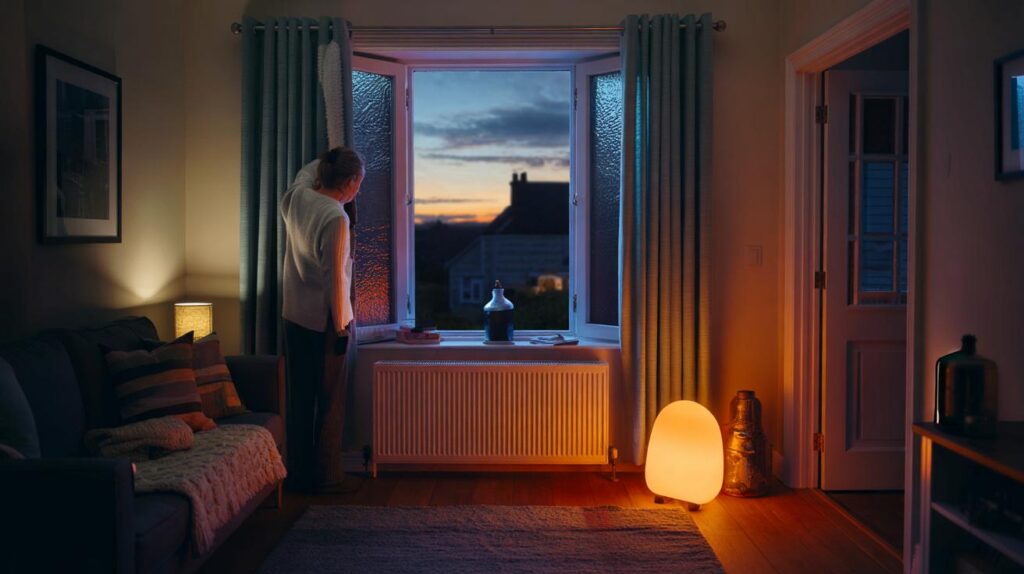
As nights draw in, a simple evening habit could shield warmth, trim winter costs, and ease the pressure on your boiler.
MoneySavingExpert founder Martin Lewis has long urged households to get tactical at dusk. With Ofgem’s latest price cap rise biting, his “6pm rule” for curtains is back in the spotlight, because small, repeatable actions can slow heat loss without touching the thermostat.
What the 6pm curtain rule means
The principle is easy: let the low autumn sun warm your rooms by day, then shut your curtains the moment daylight fades. Lewis calls them “tactical curtains” — ideally thermal or well lined — because they work like a barrier between your warm room and the cold glass.
Shut curtains at dusk. Keep them open for free daytime solar gain, then close as the light goes to trap heat inside.
Sunset across the UK is around 6.09pm in mid‑October, so aiming for 6pm captures lingering warmth before temperatures dip. By 30 October, dusk will arrive near 4.38pm, so move the routine earlier. Treat it like brushing your teeth: do it daily, without fail.
A daily habit that delays the heating
Close at dusk and you slow the rate your rooms cool, which can delay firing up the boiler or electric heaters. Many households find this pushes back the “switch‑on” moment, especially in living spaces with large windows or French doors.
- Close curtains fully so they overlap and touch the wall to minimise gaps.
- Make sure they drop to the sill or floor; short curtains leak heat around the hem.
- Keep curtains behind radiators, not draped over them, so warmth circulates into the room.
- Shut internal doors at the same time to contain warmth in the rooms you use.
- Move big furniture a little away from cold external walls to reduce chilly downdraughts.
Why fleece‑lined curtains keep rooms warmer
Windows lose heat in three ways: conduction through the glass, convection as air moves past cold panes, and radiation out to the dark sky. A thick, lined curtain slows all three. Fleece adds loft, trapping tiny pockets of air that behave like insulation, similar to a winter coat.
Add a budget fleece throw as a liner to existing curtains for extra loft — and check the material meets fire‑safety standards.
Thermal eyelet or pencil‑pleat curtains help, but any heavier fabric with an added liner improves things fast. If you rent, a removable liner avoids drilling or replacing fittings.
Where to buy — and what you might pay
Big‑box and homeware retailers stock thermal options, while budget hacks use simple throws as liners. Two current examples flagged by shoppers:
- The Range: Padstow Thermal Curtains, £30.
- Dunelm: Alora Chenille Thermal Eyelet Curtains, four colours, £55.
You’ll also find heavy curtains and liners at Argos, B&Q, Tesco and Amazon. Measure carefully so your curtains cover the full width with some overlap; a generous width improves performance.
The 6pm rule in practice
Set a recurring phone alarm for local sunset minus 10 minutes. Do a two‑minute sweep: close curtains, latch windows, shut doors. In bright weather, keep south‑facing curtains wide open during the day to bank free heat; on gloomy days, keep them mostly open to let in light, then close early as soon as the room cools.
Rigorously is the word: repeating the same small action every evening locks in gains over the entire heating season.
Pair it with quick, low‑cost heat savers
Curtains do a lot, but combining measures compounds the effect and means the heating comes on later, runs cooler, or runs for a shorter spell.
- Fit reflective foil panels behind radiators on external walls to bounce warmth back into the room.
- Stop draughts: seal gaps around skirting, add a brush to the letterbox, cap keyholes, and use a weighted draught excluder at doors.
- Close trickle vents only during the coldest periods when occupied, then reopen daily to manage moisture and indoor air quality.
- Lay a dense rug on bare floors above unheated spaces to curb cold seeping up.
- Use a thick door curtain over single‑glazed or leaky doors for a bonus barrier.
Heat the human, not the home
Lewis often repeats a simple motto: warm the person, not every cubic metre. If you only use a couple of rooms in the evening, dial back the central heating and focus warmth where you sit.
Personal‑heat options that cost pennies to run
- Heated throws and pads provide direct warmth on the sofa or at a desk with low power draw.
- Hot‑water bottles and microwaveable wheat bags deliver spot heat to laps and feet.
- Layered clothing, thermal socks and slippers cut the chill without touching the thermostat.
What the price cap shift changes — and what it doesn’t
October’s price cap adjustment keeps energy unit rates elevated for many households, so every saved kilowatt‑hour still matters. The 6pm curtain habit cuts demand at peak times when homes cool fastest. That’s when boilers typically work hardest, so reducing heat loss first gives your system less to do.
Simple checks to get the best from your windows
Before the next cold snap, run a quick window audit. Close a curtain at dusk and hold your hand behind it near the glass: if you feel a strong chill or movement of air, add a liner. If fabric bows inward, seal window gaps with removable draught tape. Consider a secondary glazing film kit for the worst offenders; it is inexpensive and peels off in spring.
A quick evening plan you can stick to
Here’s a repeatable two‑step routine that fits busy evenings. First, open curtains fully after breakfast to catch the morning sun. Second, do the “6pm sweep”: close curtains, shut doors, check vents, and position a draught excluder by external doors. Doing this daily builds a habit that quietly reduces your bill all winter.
Extra tips for renters and tight budgets
If you can’t replace curtains, use curtain clips to hang an inexpensive fleece behind existing fabric. Add a spring‑loaded tension rod inside the recess for a second lightweight layer without drilling. A removable film over single glazing adds a still‑air layer that works with your curtains for a noticeable lift in comfort.
Think layers: glass, air gap, curtain liner, curtain. Each layer slows heat escaping and reduces the evening chill.
Need a rough sense of impact?
Windows account for a meaningful share of heat loss in many homes, especially with older frames. By closing lined curtains at dusk every day through the heating season, you reduce the hours your rooms spend exposed to the cold night sky. That can mean fewer boiler cycles and lower flow temperatures to maintain comfort. If you track smart‑meter data, watch the evening profile for a gentler rise once you start the routine; it’s a quick way to see whether your setup is working.
Finally, remember the safety check on any DIY liners: pick flame‑retardant materials or approved thermal liners, keep fabrics away from open flames and electric heaters, and ensure radiators can still breathe. Combine that with the 6pm habit and you’ll feel the difference as the clocks edge towards darker evenings.



Renter here: if I clip a fleece behind existing curtains and close at dusk, will it increase condensation/mould risk on the window? I keep trickle vents cracked but worry about damp in a north‑facing room. Any dehumidifer tips for evenings?
I’ve set a 5:59pm ‘curtain o’clock’ alarm and my lounge now cosplays as a submarine at dusk. If the bill drops, I’ll salute Captain Lewis. 😉 Also: any tricks for cats who interpret closed curtains as climbing walls?