
Heavy skies are brewing over parts of Britain, with sodden commutes, snarled timetables and tricky roads looming for millions today.
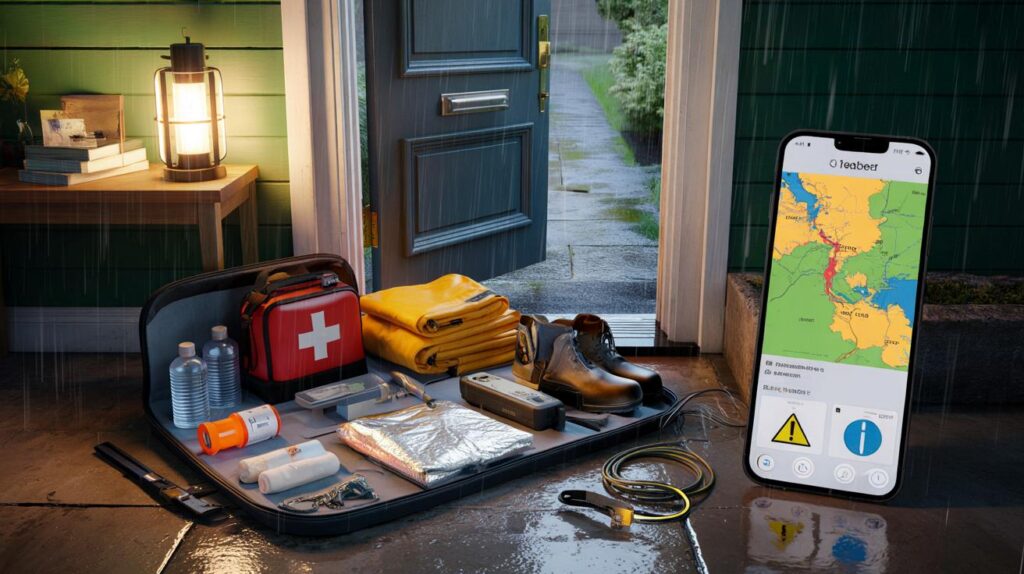
Forecasters have signalled a prolonged spell of wet weather, placing a yellow warning over swathes of southern England and Wales and advising households to think ahead. The guidance includes preparing a grab-and-go emergency kit in case flooding hits, power flickers or journeys are cut short by standing water.
What the yellow warning means
The Met Office has issued a yellow weather warning for heavy rain spanning 14 hours, from midnight to 2pm on Wednesday. The advisory points to a realistic chance of localised flooding, delays on the roads and railways, and short interruptions to electricity and other services in the most exposed locations.
Time window: midnight to 2pm. Coverage: 31 local authority areas across the South West, South East and Wales.
Yellow is the entry level of the Met Office warning system. It flags disruptive conditions that may not hit everyone but are likely enough to justify preparations. That means planning routes that avoid low-lying flood-prone roads, checking your train before leaving home, and keeping a close eye on fast-changing radar updates through the morning.
Where the worst rain could fall
Bands of rain are expected to sweep across the South West and south Wales first, pushing northeast during the morning. Forecast modelling suggests the Midlands and parts of the North West may also see heavier bursts, even where no warning is in place, so commuters further afield should stay flexible.
In Wales, the focus includes Cardiff, Swansea and nearby valleys communities. Across the South West, heavier downpours are expected around Exeter, Plymouth, Torbay, Taunton, Bath, Bristol and parts of Gloucestershire and Wiltshire. Short, intense spells could trigger surface water on urban streets and quick rises in streams.
Forecasters advise drivers to allow extra time, expect spray and standing water, and avoid fast-flowing floodwater.
Why an emergency kit matters
Advice to prepare an “emergency” kit is about speed. Flooding can force rapid decisions, cut phones and lighting, and turn a short errand into a lengthy detour. A small bag stashed by the door means you can move quickly and safely if the situation escalates.
Think practical, not elaborate. Keep it light, waterproofed and easy to find. Make sure every household member knows where it is and what to do if you need to leave at short notice.
- Bottled water and non-perishable food for 24 hours
- First-aid supplies, regular medication and basic hygiene items
- Portable charger, torch with spare batteries, whistle
- Warm layers, waterproofs, sturdy footwear and foil blanket
- Copies of key documents and emergency contact numbers
- Cash, basic tools, duct tape and multi-purpose wipes
- Pet food, lead or carrier, and a small towel
- Baby essentials where relevant
Store your kit in a grab bag near the exit. Keep a second mini-kit in your car in case roads close.
Travel and power disruption: what to plan for
Wet weather increases braking distances and reduces visibility. Expect slower traffic on key commuter routes, especially at peak hours when the heaviest bursts align with school and work travel. Spray will be significant on dual carriageways, and puddling will form in dips and around blocked drains.
Rail operators can bring in speed restrictions when ballast is waterlogged or when poor visibility and landslip risk combine. That means delays and occasional cancellations. Buses may divert around flooded streets or terminate early if a route becomes impassable.
| When | What to expect |
|---|---|
| 00:00–06:00 | Bands of heavy rain arrive in the South West and south Wales; patchy surface water, quieter roads. |
| 06:00–10:00 | Morning peak travel affected; slower journeys, spray, minor flooding on urban routes; rail delays possible. |
| 10:00–14:00 | Rain clears eastwards; lingering showers and standing water; services recover gradually. |
How to protect your home
Small steps pay off when rainfall is intense. Move valuables off the floor, roll up rugs and lift electronics onto tables. Clear leaves from grates and downpipes to help water drain away from doorways. Park cars on higher ground where possible.
If your property sits in a known risk zone, prepare a simple flood plan: who shuts off power, where pets go, which route you will take if streets are blocked, and who you will phone if mobile networks falter. Photograph rooms before the rain to support any future claim.
Regions and local authorities named
London and south east England
- Hampshire
- Southampton
- West Berkshire
South west England
- Bath and North East Somerset
- Bournemouth, Christchurch and Poole
- Bristol
- Cornwall
- Devon
- Dorset
- Gloucestershire
- North Somerset
- Plymouth
- Somerset
- South Gloucestershire
- Swindon
- Torbay
- Wiltshire
Wales
- Blaenau Gwent
- Bridgend
- Caerphilly
- Cardiff
- Carmarthenshire
- Merthyr Tydfil
- Monmouthshire
- Neath Port Talbot
- Newport
- Powys
- Rhondda Cynon Taf
- Swansea
- Torfaen
- Vale of Glamorgan
What a yellow warning usually signals
Yellow warnings blend likelihood and impact. In this case, confidence is high that many places will see rain, but the most disruptive effects depend on where the heaviest bursts sit for an hour or two. That is why guidance focuses on flexibility: adjust plans early, rather than reacting on the doorstep.
Rain rates can spike quickly under narrow bands, producing ankle-deep water on streets in minutes. Drains struggle during leaf fall and when litter blocks gullies. Short breaks in the rain can tempt drivers to speed up; risks remain until water drains and visibility improves.
Practical add‑ons that make a difference
Set phone alerts for your rail operator and save offline maps in case reception drops. Keep fuel above half a tank during unsettled spells. If you live near a fast-responding stream, a £10 rain gauge or a free river level feed adds useful context. A cheap head torch frees both hands if you are moving sandbags or checking a fuse box in the dark.
Families can try a five‑minute rehearsal: grab the kit, choose an alternate route, and agree a meeting point if you are split between school, work and home. These small drills remove friction when decisions need to be quick.
Prepare now, travel with a plan, and keep a light, waterproof kit ready for the 14‑hour wet spell.



Appreciate the clear breakdown of the yellow warning and the 00:00–14:00 window. I’ll keep a grab bag by the door and a mini kit in the car. The checklist is practical—foil blanket and document copies are the bits I usually forget.
Fourteen hours of British rain? So… Wednesay, basically.