
Britain’s aisles are bracing for a quiet shift, where screens guide baskets and small savings creep in at the till.
The weekly shop is about to feel different for thousands of households, as a first wave of smart trolleys readies for trial.
A first store in early 2026
Morrisons plans to pilot Instacart’s smart “Caper Carts” at one UK location in early 2026, with a wider rollout on the table if shoppers take to them. The trial will test whether digital features genuinely shave time off a typical shop and reduce friction at checkout.
One store will go first in early 2026; national expansion depends on shopper uptake, store operations and measurable time savings.
Executives at both companies frame the move as a blend of digital speed and familiar in-store habits. The retailer also recently cut prices on 650 products ahead of the festive season, signalling a broader push to help household budgets while modernising the shop floor.
What the smart trolley does
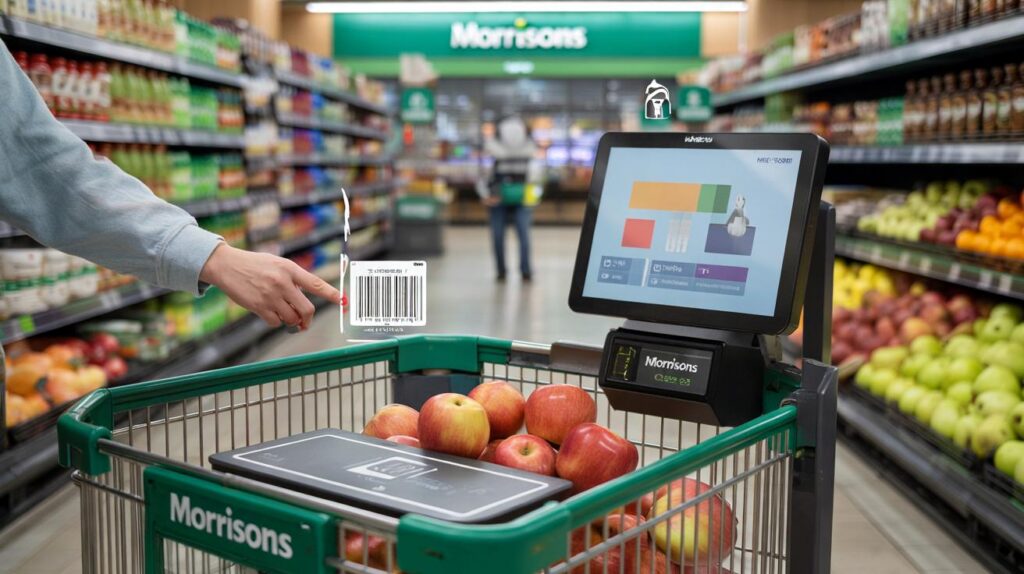
Each trolley integrates a touch screen, built-in scales and sensors that identify products as they go into the basket. Shoppers track their running total in real time and pay by scanning a code on the trolley screen at the self-checkout area. The promise is simple: fewer queues, fewer surprises at the till, more control during the shop.
- Scan and go: add items to the basket, confirm on-screen and see totals update instantly.
- Weigh as you shop: built-in scales handle loose fruit and veg without separate scales.
- Guided prompts: sensors and on-screen cues reduce mis-scans and help with awkward items.
- Fast finish: complete payment by presenting the trolley’s code at self-checkout.
Scan while you move, weigh produce in the basket, watch your total build, then finish at self-checkout with one code.
Why it could matter to you
Time is the headline benefit. Early adopters of similar carts abroad report shorter trips because they scan as they go and skip most of the end-of-shop routine. Budgeting is another draw. A live total helps keep impulse spending in check, especially when prices rise week to week.
There’s also convenience for parents and carers juggling baskets, lists and children. Weighing produce in the trolley removes an extra stop. The tech may prove helpful for shoppers with mobility issues who prefer fewer transfers between scales, conveyor belts and bagging areas.
How it differs from “checkout-free” stores
Camera-heavy, ceiling-mounted “just walk out” systems attempt to track an entire basket without shopper input. Smart trolleys invert the approach. The cart does the heavy lifting and the customer stays in the loop, confirming items and seeing prices as they go. That makes deployment less invasive for existing stores and gives shoppers more visibility on errors or substitutions in real time.
Data, privacy and consent
Digital trolleys bring data questions. Screens can tailor prompts, remind you about offers and nudge you towards complementary products. That personalisation requires data access—from the trolley, a loyalty account, or both. UK shoppers tend to value convenience but are wary of opaque profiling.
Expect consent prompts and clear opt-outs during the trial. The trolley should work without a loyalty login, but logging in will likely unlock personalised recommendations and digital receipts. If you prefer minimum data sharing, you can use guests options and turn off promotions in settings if offered.
| Feature | What you see | Your choice |
|---|---|---|
| Running total | On-screen basket value updates after each scan | Shop to a budget or ignore the tally |
| Promotions | Contextual offers surface during the shop | Accept, dismiss or opt out where offered |
| Loyalty link | Points applied to the trolley at checkout | Sign in for rewards or proceed as a guest |
What staff and stores may notice
Colleagues will spend less time policing self-checkouts and more time helping customers who need in-aisle support—especially with produce, bakery items and security-tagged products. Fewer queue peaks at tills could reshape labour across the day, with redeployment to replenishment and fresh counters.
Store layouts might adjust: wider lanes to accommodate cart screens, charging bays near entrances, and clearer signage directing shoppers to the “trolley checkout” code readers. Loss-prevention teams will watch for partial scans, and managers will track where carts dwell to ease congestion in popular aisles.
What to expect on day one
Step-by-step through a typical shop
Pick up a smart trolley from the dedicated bay. Wake the screen and choose guest or loyalty. Start with produce: place apples in the basket on the scale pad; the screen suggests “Royal Gala” and asks for confirmation. Scan packaged goods by presenting the barcode to the cart’s scanner. The running total updates with every item. When you’re done, follow signs to the self-checkout zone, present the on-screen code to the reader, pay as usual and leave.
Will it save you money—or just time?
Measured savings depend on your habits, but two figures will catch attention. First, time: a family shop of 30–40 items could shorten by several minutes because weighing and scanning happen during the walk, not in a queue. Second, control: if the live total prompts you to swap a premium steak for a “better than half price” cut, the cart indirectly trims your bill.
Morrisons has also announced 650 price reductions ahead of the festive period. The combination of lower ticket prices and on-screen budgeting tools may help households keep a tighter lid on spending in the run-up to Christmas.
Risks, snags and early questions
- Battery life: carts need daily charging; a flat screen stalls a shop.
- Learning curve: the first two trips feel slower while you find the scanner and confirm produce.
- Accessibility: screen height and touch targets must work for all shoppers.
- Throughput: peak times will test whether code readers at self-checkout can keep queues short.
- Trust: shoppers will watch for mis-identifications and pricing mismatches versus shelf-edge labels.
How fast could this scale?
If the first store hits targets—shorter trips, higher satisfaction, fewer bottlenecks—the retailer can expand to additional sites where layouts and power access support smart trolleys. Urban stores with quick-turn baskets might adopt first, followed by larger supermarkets where families see the biggest time win.
A quick back-of-the-envelope
Assume you buy 25 items in 35 minutes. You spend 7 minutes queuing and 4 minutes loading and weighing produce separately. A trolley that shifts weighing and most scanning into the aisles could trim those 11 minutes to 3 or 4. Over a year of weekly shops, that’s roughly 6–7 hours back—about a working day reclaimed without changing where you shop.
What to watch next
Look for clearer signage and staff at the pilot store guiding first-time users. Expect software tweaks within weeks: better product suggestions, faster barcode recognition and sharper prompts for multibuys. If shoppers embrace the format, the technology could pair with recipe planning and dynamic offers that re-route you to better-value swaps as you move, always subject to consent.
For those wary of data use, keep an eye on privacy notices near the trolley bay. Ask how long anonymous cart data is stored, how loyalty data links to your profile and whether you can purge past sessions. The most successful trials will be the ones that combine speed with honest controls over how your shop is profiled.



If the live total really keeps me on budget and I can skip most of the checkout dance, I’m keen to try it. The Caper Cart UI had better be fast though—laggy scanners are worse than queues.