
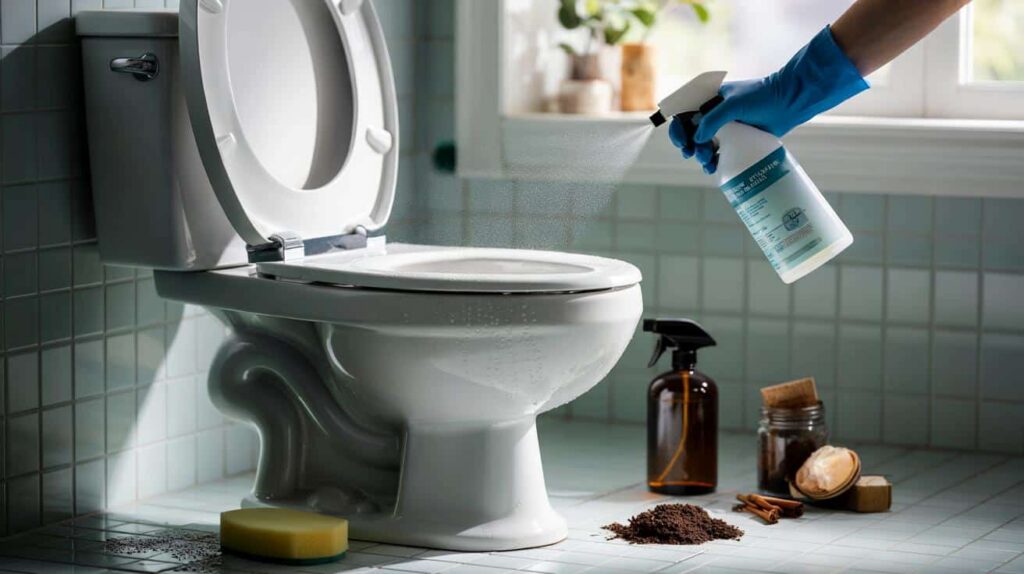
One low-fuss routine is quietly winning bathrooms back across homes this week.
Skip the usual pantry fixes. This method leans on pharmacy basics and a smart order of operations. It targets stains fast and stops odor at the source.
Why urine stains linger
Urine dries into crystals that cling to porcelain, hinges, and grout. The rim, the underside of the seat, and the floor around the base trap the most residue. Warm rooms speed the process. Sprays and sticks harden in hours.
Left in place, deposits roughen surfaces and invite more buildup. They also nibble at silicone and rubber seals. That creates little gaps where moisture gathers and smells hang around.
Soak first, then scrub. Dwell time does the heavy lifting. Force without a soak spreads residue and wastes effort.
The trick that skips baking soda and lemon
Peroxide and a drop of soap
Use 3% hydrogen peroxide and a mild, unscented dish soap. The peroxide loosens organic stains and lightens yellowing. The soap helps break surface tension so liquid reaches every edge.
- Dry the splashed areas with paper towel. You remove fresh salts and avoid diluting the product.
- In a spray bottle, mix one cup of 3% hydrogen peroxide with five drops of dish soap. Swirl gently.
- Spray the bowl rim, inner walls, underside of the seat, hinges, and the “splash zone” on the floor.
- Let it sit 8–10 minutes. Keep surfaces wet. Re-spray if they start to dry.
- Brush the bowl, paying attention under the rim jets. Wipe hinges, the seat underside, and base with a non-scratch sponge.
- Flush, then rinse wiped areas with a damp cloth. Dry to prevent water marks.
Use only 3% hydrogen peroxide. Ventilate the room. Never mix peroxide with vinegar or bleach. Keep it out of direct sunlight.
For set-in odor, use enzymes
When smells persist after cleaning, the culprit is often uric acid crystals in grout, silicone, or microscopic pores. Enzymatic cleaners digest those crystals instead of masking them.
Saturate the grout around the toilet base, the front floor tile, and the seat hinges with an enzyme product labeled for urine. Leave it for 10–15 minutes, then blot. For heavy buildup, cover treated spots with plastic wrap to slow evaporation and extend contact time. Repeat the next day if needed.
Odor control without citrus
Citrus peels add scent but do little to neutralize acid salts. A better no-lemon approach pairs clove and cinnamon with actual odor absorbers.
- Place whole cloves and a stick of cinnamon in a small open jar near the toilet. Replace monthly.
- Set a cup of activated charcoal pellets or baking carbon in the room. Swap every 2–3 weeks.
- Run the fan or open a window for 15 minutes after hot showers. Humidity amplifies bathroom odor.
Neutralize first, then scent the air. Masking alone fades fast and often makes odors smell “sweet-sour.”
A weekly routine that actually works
Consistency beats marathon scrubs. Short bursts keep build-up from turning into a project.
- Daily: 90-second wipe — seat underside, rim, flush button, and the front floor tile.
- Twice a week: Peroxide-and-soap soak and brush as described above.
- Weekly: Enzyme treatment on grout, silicone seams, and around the base caps.
- Monthly: Replace charcoal and spice jar. Check hinges and rubber seals for wear.
What to use where
| Area | Go-to product | Reason |
|---|---|---|
| Bowl interior and rim | 3% hydrogen peroxide + drop of dish soap | Loosens yellowing and reaches under-rim jets |
| Grout and silicone | Enzymatic urine cleaner | Breaks uric acid crystals that hold odor |
| Seat hinges and caps | Peroxide wipe, then dry | Targets splash traps; prevents corrosion |
| Room air | Activated charcoal + clove/cinnamon jar | Absorbs odor; adds a warm, clean scent |
Common mistakes to skip
- Mixing chemicals. Bleach plus acids or ammonia releases dangerous gases. Keep products simple and separate.
- Scrubbing dry porcelain with abrasive pads. Micro-scratches hold residue and darken over time.
- Ignoring the “splash zone.” The front floor tile and base seal often cause the lingering smell.
- Relying on heavy perfume sprays. They coat surfaces and trap grime.
Why this is trending now
Households want fewer products under the sink and less harsh chemistry. A pharmacy bottle and a basic enzyme cleaner check both boxes. The routine fits small bathrooms and busy weeks. It also respects newer finishes found on modern bowls and seats.
Another factor: cold-season ventilation drops. Odors spike when windows stay shut. A neutralize-then-scent setup controls that without lemon peels or a box of baking soda on display.
Extra tips for families and pets
Nighttime trips raise splash risk. Keep a small motion light near the base to guide aim. Consider a washable bath mat in front of the bowl; launder weekly. If pets mark near the toilet, treat that spot with enzymes the same day, then block access while it dries.
For households with toddlers, lower the seat slowly to avoid splatter. Wipe the underside daily. Quick habits keep the deeper cleans short.
Cost and time check
A 32-ounce bottle of 3% hydrogen peroxide costs very little and covers several weeks. A quality enzyme cleaner lasts months when you target only problem zones. Charcoal refills add pennies per day. The daily routine takes under two minutes. The twice-weekly soak and brush takes ten.
Keep the kit simple: peroxide, mild soap, enzyme cleaner, non-scratch sponge, brush, and a stack of cloths. That’s the whole playbook.
If you manage a shared restroom, set a posted schedule and assign zones. Track odor spots on a small floor plan for two weeks. Patterns often reveal a drip path you can solve with a hinge adjustment or a quick seal repair.


