
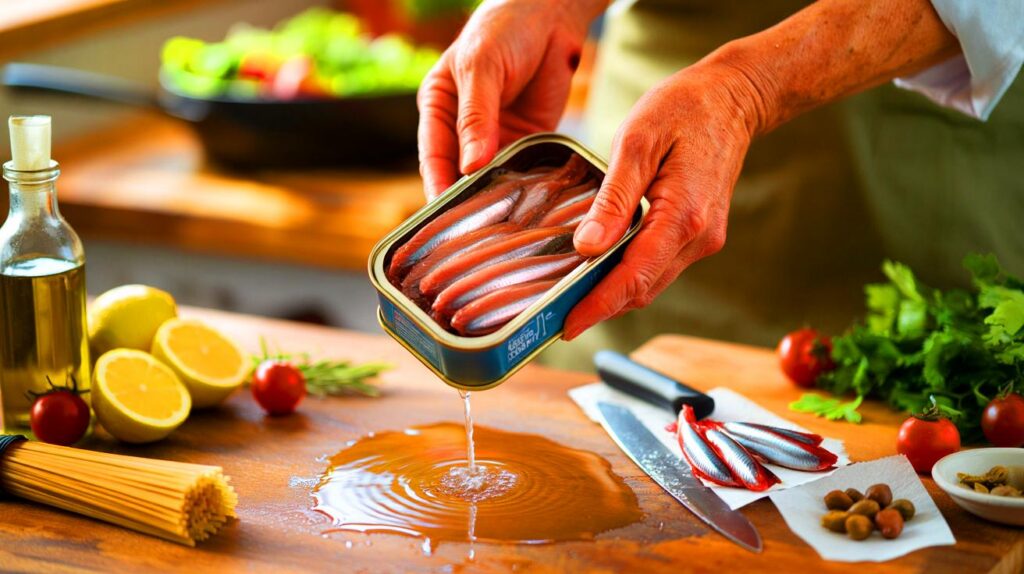
On crowded supermarket shelves, one humble tin keeps punching above its weight, quietly winning favour with doctors and savvy over‑50s.
It is not mackerel or sardines. A leading gastroenterologist points to the Mediterranean anchovy as a standout pantry pick that boosts daily nutrition, cooks fast and keeps costs in check.
Why anchovies leap ahead of mackerel and sardines
Gastroenterologist Dr William Berrebi singles out canned anchovies as a top health choice. He highlights their dense nutrition, long shelf life and versatility, which make them easy to use in real kitchens, not just in restaurant sauces. This small fish carries big benefits for heart, brain and muscles, while remaining simple to store and quick to prepare.
Nutrient density that punches above its size
Anchovy fillets deliver meaningful protein and vital fats in modest portions. They also bring iron to the plate, which matters as people age and want to keep energy and haemoglobin steady. The figures are striking for such a small fish.
50 g can meet a full day’s omega‑3 needs for many adults. 100 g provides about 23 g protein and 4.6 mg iron.
That profile rivals a serving of red meat for protein, yet many people find anchovies easier on the stomach. Compared with larger oily fish, anchovies supply those sought‑after omega‑3s without the same concerns about price or portion size. Tuna often raises questions about mercury because it sits high in the food chain. Anchovies, by contrast, are small and short‑lived, which generally means lower accumulation.
How to use it without overdoing the salt
Canned anchovies often come heavily salted. You can keep the flavour and reduce the sodium hit with a few simple tweaks at the sink and the shelf.
Rinse the fillets briefly, then pat dry. Choose tins in water or with reduced salt where possible.
Smart buying and prep tips
- Pick “in water/natural” or “reduced salt” tins when available.
- Rinse fillets under cold water for a few seconds to lift excess salt.
- Pat dry to avoid watery sauces and to keep flavours focused.
- Use anchovies as a seasoning: a little delivers deep savouriness.
- Balance salt with fresh tomatoes, lemon, herbs and extra‑virgin olive oil.
- If you live with hypertension, heart failure or kidney disease, keep portions modest and check labels.
How much fits into your week
France’s food safety agency ANSES suggests roughly 140 g of lean fish and 160 g of oily fish per week. Anchovies belong in the oily camp, so a couple of small tins across the week will sit comfortably within that guidance. You do not need a heaped plate: even half a tin can transform a meal nutritionally and flavour‑wise.
Fast ways to put it on your plate
- Pasta puttanesca in 12 minutes: garlic, chilli, capers, tomatoes, anchovy, parsley.
- Tapenade: blitz anchovy with olives and a little lemon for a punchy spread.
- Salad niçoise or Caesar: tuck fillets through leaves for a salty‑savory lift.
- Crostini: toast, rub with garlic, top with anchovy, lemon zest and olive oil.
- Roast veg finisher: melt an anchovy in the pan, then toss with hot greens.
A single small tin can turn pasta, salad or toast into a heart‑friendly, protein‑rich meal in minutes.
What you gain when you swap it in
Anchovies add umami without the saturated fat you get from bacon or heavy cheese. They help you cut back on processed meats while keeping meals satisfying. The iron content supports healthy red blood cells, and the omega‑3s contribute to normal heart function and brain maintenance. For people watching their weight or their budget, the value per portion is hard to ignore.
Mercury, digestion and cost: questions readers keep asking
Mercury and safety
Small pelagic fish like anchovies usually carry lower mercury levels than large predators such as tuna. That is one reason health professionals often recommend them. If you are pregnant or managing a medical condition, follow national fish guidance and discuss portions with your clinician.
Digestion after 50
Many readers in their fifties and beyond report that oily fish sits better than red meat. Anchovies give you full‑value protein without a heavy meal, which can help on days when digestion feels slower. The iron content adds a useful nudge for those keeping an eye on tiredness linked to low haemoglobin.
Budgets and pantry planning
Tins store well for months, helping you plan ahead and cut waste. Rotate your stash so the oldest tins come out first. Once opened, move leftovers to a covered container, refrigerate and use within a day.
How anchovies compare at the table
Mackerel and sardines remain solid choices. They provide omega‑3s and protein too, and many shoppers love their meatier texture. The case for anchovies is about practicality as much as nutrition: tiny portions deliver a strong hit of healthy fats and flavour, they cook fast, and they slip into sauces and salads without dominating the plate.
Think of anchovies as both ingredient and insurance policy: a small tin guarantees depth of flavour and a shot of omega‑3s when the fridge is bare.
Extra tips to get more from each tin
- Start small: mash one fillet into hot oil to form the base of a sauce, then taste before adding more.
- Use heat wisely: warm gently so the fillets melt; high heat can turn them bitter.
- Balance salt: lemon juice, vinegar and fresh herbs brighten without extra sodium.
- Pair with fibre: wholegrain pasta or beans steady appetite and support heart health.
- Swap smart: replace pancetta in a recipe with two anchovy fillets and a handful of mushrooms.
Before you pile in
If you manage high blood pressure, keep an eye on sodium and consider rinsing and smaller portions. If gout is a concern, remember that anchovies are naturally rich in purines; portion control helps, and personalised advice from a clinician makes sense. People with fish allergies should avoid them entirely.
Want a simple pattern to try? Aim for one or two small anchovy meals in your oily‑fish quota each week, use rinsing to moderate salt, and build plates around vegetables, whole grains and olive oil. That plan gives you the omega‑3s, protein and iron that prompted the doctor’s praise, while keeping taste, time and budget firmly on your side.



Interesting, but if the fillets are heavily salted, does a quick rinse and pat dry actually cut sodium enough for someone with hypertension? I’m 62 and trying to keep under 1,500 mg a day. Also, are anchovys high in purines—how small should a portion be to avoid a gout flare? ANSES numbers help, but “a couple of small tins” sounds vague. Would love a clearer weekly cap. Omega-3s are great, but salt is my main worry, definately.