
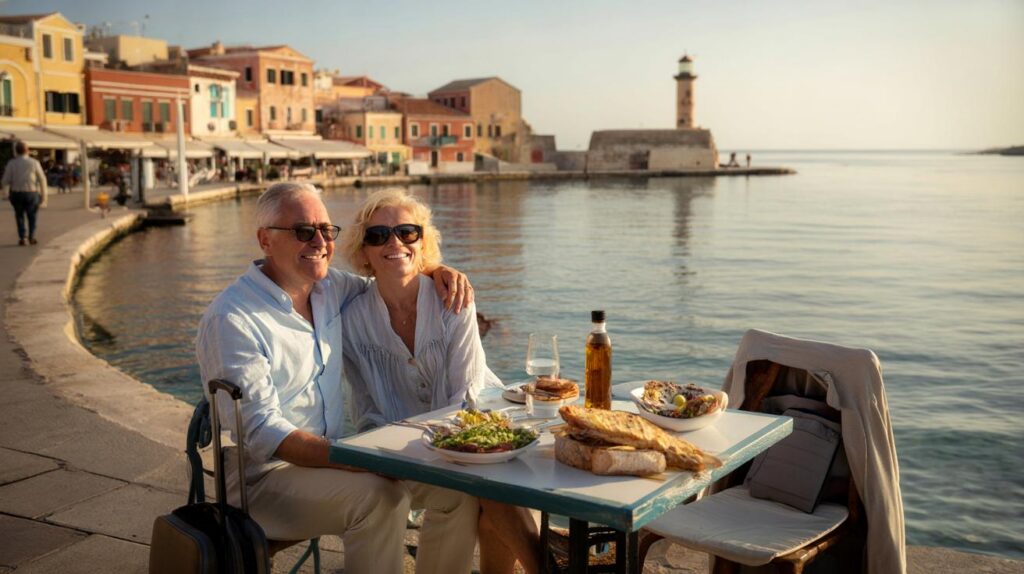
As autumn creeps in and radiators click on, a surprising travel shift is gathering pace among Britain’s retirees.
Fresh research suggests more older Britons are swapping grey skies for gentler climes, with 60% of over-55s taking winter breaks in 2024 versus 40% a year earlier. That trend points to one Greek giant in particular this October: Crete, where balmy days, simple transport and modest prices are drawing pensioners who want warmth without the crush.
Why older travellers are turning to crete
Crete offers a rare mix in October: summer-like weather, fewer crowds and long, easy days. The island’s scale helps. You can base yourself in a lively harbour town or slip away to quiet coves within an hour’s drive. Prices soften after the peak season, and local life resumes, giving visitors a more authentic rhythm.
Daytime highs around 26C in October and a calm, uncrowded vibe make Crete an easy autumn win for fixed incomes.
Warmth without the crowds
By October, the intense heat has eased, but the sea still feels welcoming. Beaches such as Elafonissi and Balos retain their glow. Historic lanes in Chania and Rethymno breathe again. Tables appear without queues. You can stroll, sit, linger.
Convenient, affordable and familiar
Direct UK flights run to Heraklion and Chania through much of October. Bus routes connect towns reliably. English is widely understood. And the cost of daily life—meals, local transport, small groceries—often undercuts prices at home, which helps a pension stretch further.
What 26c in october actually feels like
Expect warm afternoons, pleasant evenings and a gentle sea. Pack layers for breezier days and a lightweight jacket for after sunset. Rain showers can arrive late in the month, but dry spells tend to dominate the week.
| October snapshot (Crete) | Typical range |
|---|---|
| Daytime temperature | 24–26C |
| Night-time temperature | 16–19C |
| Sea temperature | 22–24C |
| Daylight | ~11 hours |
| Rainfall | Light, with brief showers more likely late month |
Comfortable warmth by day, cool enough for a cardigan by night, and a sea that still invites a gentle swim.
Where to go and what to do
History at a gentler pace
At Knossos, the story of Europe’s earliest civilisation comes to life among Minoan ruins. In Heraklion’s museum, artefacts add context without the scramble you find in high summer. Venetian harbours in Chania and Rethymno give you cafe-lined promenades, shaded squares and level walking.
Nature for every energy level
- Samaria Gorge: ambitious hikers can descend with trekking poles and a pre-booked bus back; shorter gorges offer easier alternatives.
- Vai palm beach: photogenic sands with gentle entry to the water, ideal for a mid-morning dip.
- Elafonissi: pink-tinged shorelines and shallow lagoons; arrive early for quieter scenes.
- Local villages: vineyards and olive groves stitch together slow roads where lunches linger and time stretches.
Food that suits a slow day
Crete’s table leans fresh and unfussy: dakos (barley rusk with tomatoes and cheese), lamb with wild greens, grilled fish, late-season figs. Seaside tavernas brim with local olive oil, mountain herbs and unhurried service. Portions tend to be generous.
Money, healthcare and getting around
Stretching a pension
Post-peak prices help. Family-run rooms and apart-hotels cut rates in October. Simple lunches come in well under typical UK pub prices. Public buses are inexpensive, and many towns are walkable. Depending on choices, some couples report weekly savings approaching several hundred pounds compared with eating out, driving and heating at home.
Lower day-to-day costs, no heating bill, and generous portions can turn an autumn escape into a budget breather.
Healthcare access
Heraklion and Chania host modern hospitals and clinics. Keep a valid GHIC in your wallet for medically necessary state care, and add travel insurance that covers pre-existing conditions and any planned activities. Carry prescriptions in original packaging and a printed medication list.
Public transport made easy
Intercity KTEL coaches link major hubs and resort towns. Stops are usually central and clearly signed. Drivers handle luggage. Taxis fill gaps in rural areas. Many hotels arrange transfers if you prefer to avoid driving. If you do hire a car, stick to daylight driving and allow time; mountain roads deserve patience.
A gentle week that balances rest and curiosity
- Day 1–2: settle in near a harbour; stroll the promenade at sunset; try a simple seafood dinner.
- Day 3: Knossos early, museum late morning, long lunch, siesta, evening gelato.
- Day 4: beach day with a paperback; swim before the breeze freshens.
- Day 5: a short gorge walk or botanical garden visit; feet up by mid-afternoon.
- Day 6: bus to a neighbouring town for markets and coffee on a shaded square.
- Day 7: olive oil tasting, quiet lunch, pack unhurriedly.
Accessibility and comfort tips for pensioners
Old towns have cobbles, so cushioned walking shoes help. Many hotels offer lifts, but check room-floor access before booking. Ask for walk-in showers if you prefer them. Reserve ground-floor rooms if stairs are awkward. On coaches, request front-row seats for easier boarding. Pack a light rain jacket and a shawl for breezy evenings.
Risks and how to avoid them
- Sun exposure: October sun still bites. Wear a brimmed hat and SPF 30+, and aim for shade at midday.
- Hydration: carry a refillable bottle; cafes top up with a smile when you order.
- Trail footing: gorges can be rocky; use poles and avoid rain-affected paths.
- Sea conditions: wind can lift waves; check local flags and avoid isolated swims.
- Driving fatigue: distances feel short, but mountain routes wind; schedule breaks and avoid dusk.
When to book and how to keep costs down
Two to six weeks out often brings shoulder-season offers, especially for apart-hotels. Midweek flights price lower more often than weekends. Consider hand luggage only, and book checked bags early if needed. Combine a town base with two day trips rather than multiple hotel moves. Eat your main meal at lunch, when many tavernas run keenly priced set menus.
Where to base yourself
Chania suits those who want a picture-postcard harbour and easy bus links west. Heraklion works for culture lovers who plan museum time and early starts to Knossos. Rethymno balances a broad sandy beach with an old town that feels lived-in. Agios Nikolaos offers lakeside cafes and relaxed evenings. For quiet, look just outside these hubs and bus in when you fancy bustle.
The heritage that anchors the trip
Crete’s identity comes through in layers: Minoan palaces, Venetian fortifications, Ottoman traces and a proud local culture. Music nights pop up in small squares. Autumn harvests bring olives and wine to the fore. Conversations start easily, and many visitors return precisely because the island feels both storied and welcoming.
History you can touch, beaches you can keep to yourself, and prices that respect a pension: October is Crete’s sweet spot.
Extra practical notes you will thank yourself for later
Travel insurance: add cancellation cover and read the medical section line by line. Accommodation: check for heating as nights cool late in the month—handy if a shower passes. Mobility: ask hotels about step-free access from pavement to reception. Payment: cards are widely accepted, but small villages appreciate cash for coffee and bus tickets. Connectivity: many stays offer reliable wi-fi for keeping in touch with family.
If you’re weighing costs, jot down a simple comparison: expected UK heating and grocery spend for a week versus a Cretan room, two dinners out, bus fares and light self-catering breakfasts. Many couples find the difference comfortably in their favour, especially outside school holidays. That mix—warmth, ease and value—explains why more retirees now chase an autumn glow rather than a thermostat.



We did Crete mid-October last year (Rethymno) and it was defintely around 26C—swam most afternoons, cardigan after dark. Our weekly spend, even with a couple of tavernas, undercut home by roughly £300 once you take out heating and petrol. Considering a longer stay this time.