
A former A&E doctor turned TV figure lays out a plain plan for classrooms, living rooms and platforms under pressure.
Speaking on The Netmums Podcast, Dr Alex George said the path out of rising youth distress exists, but demands a reset at home, at school and across tech. He argues children swim in a torrent of content while missing the face-to-face bonds that protect mental health, and he wants a pivot from test scores to rounded growth.
A sharp warning on endless scrolling
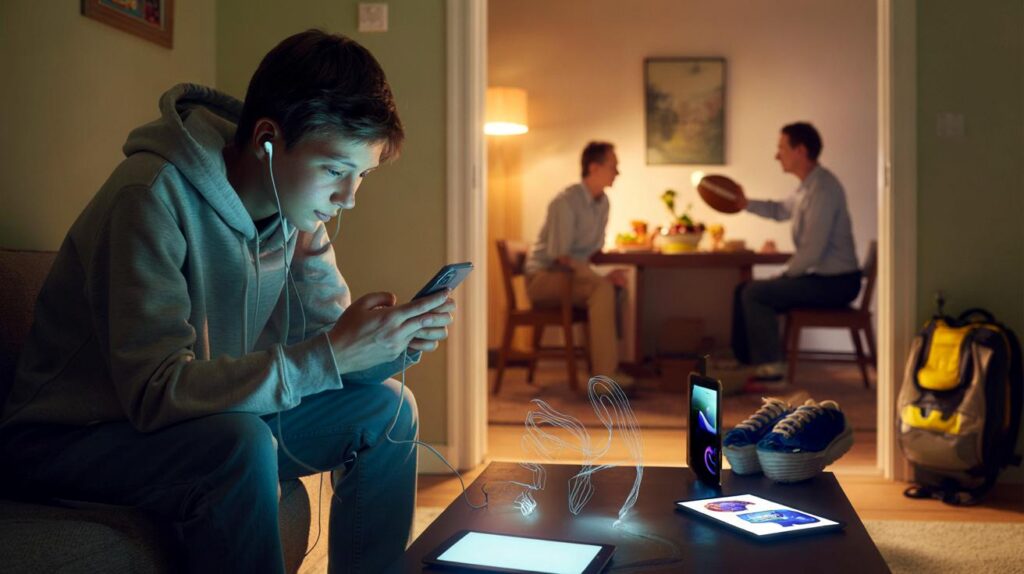
Dr Alex describes a generation glued to the feed and drifting from real-world connection. He believes excessive screen time is the single biggest driver of strain in young minds, not because screens are evil, but because the pace, volume and tone of what reaches children is unfiltered and relentless. He calls this an “overloaded information diet”, packed with material that ramps up fear, comparison and distraction.
Children are hyper-connected online and under-connected in person. Shift the balance, and mood, sleep and focus start to recover.
He stresses hope. The fixes are not mysterious: clear routines, boundaries that stick, more daylight and movement, better sleep hygiene, and adults modelling the same. He also wants platforms and policymakers to curb the design tricks that nudge binge use and late-night scrolling.
Context from the UK
UK surveys in recent years have shown many children spending several hours online on a typical day, with longer sessions at weekends. Clinicians report more sleep disruption, anxiety and low mood linked to late-night social media, gamer chat, and around-the-clock notifications. Not every child struggles, but those who do often combine heavy use with poor sleep, exam pressure and shaky offline support.
Reduce intensity, narrow exposure to harmful content, and rebuild daily rhythms. Small changes compound quickly for anxious teens.
From ‘Victorian’ exams to human skills
On education, Dr Alex wants a decisive shift: less obsession with memorise–test–repeat; more emphasis on shaping confident, collaborative, resilient young adults. He argues that school should teach how to be well, work well with others, and handle life’s basic demands, alongside core subjects.
- Prioritise emotional literacy and peer support alongside literacy and numeracy.
- Build teamwork, problem-solving and conflict resolution into every year group.
- Assess progress with projects and presentations, not just high-stakes exams.
- Schedule movement and outdoor time daily, not only in PE blocks.
- Add practical life modules, including money, sleep, and digital citizenship.
Teaching pounds and pence
Financial worry ranks high among adult stressors, which is why he wants money skills taught early. Children should leave school able to read a payslip, interpret a tax code, and understand borrowing.
- How saving works, and what interest and inflation mean in real terms.
- The basics of bank accounts, credit, overdrafts and debt traps.
- What APR means, how loans and mortgages differ, and why fees matter.
- Simple budgeting, needs versus wants, and setting up an emergency fund.
Movement as medicine
Dr Alex argues that movement is not a nice-to-have; it’s a mood regulator with a science story kids can grasp. Load-bearing activity signals the body to release chemicals that support brain function and positive affect. Frame exercise as a brain boost, not punishment for eating.
- Frequent movement breaks in lessons improve attention and reduce agitation.
- Walking or cycling to school builds daily activity without new kit or cost.
- Short bursts of vigorous play can lift mood as much as longer sessions.
Weekly targets that feel doable
Aim for varied activity across the week: brisk walking, playground games, dance, team sport or park runs. Mix skill-building with fun. For anxious teens, start gently with short, predictable routines.
What parents and schools can try this week
Dr Alex’s message lands hardest when it turns into routines. These options are simple, low-cost and repeatable.
- Set a house rule: devices out of bedrooms by 9pm; alarms on cheap bedside clocks.
- Use phone-free zones at dinner and during commutes to spark real conversation.
- Create a family media plan with agreed apps, time windows and review dates.
- Co-watch and co-play sometimes; ask curious questions rather than lecture.
- Schools: timetable 20 minutes of daily movement and a weekly money lesson.
- Clubs: pair activities with peer mentors so shy pupils stick with it.
| Habit | Why it helps | Time cost |
|---|---|---|
| Nightly device curfew | Protects sleep, reduces rumination from late notifications | Setup once; nightly consistency |
| Walk-and-talk after school | Movement plus decompression improves mood regulation | 15–20 minutes |
| Sunday screen audit | Resets habits; trims the most draining apps | 10 minutes |
Tech and policy need skin in the game
Families can move first, but design matters. Age checks that actually work, default privacy for minors, stricter night-time notification settings, and clear time-use dashboards would take pressure off parents. Schools need time and training in the timetable to teach digital literacy, money skills and mental health basics, not simply bolt-ons. Health services need easier, earlier entry points so children don’t sit on long lists while problems deepen.
Spotting when screens are tipping into harm
Watch for creeping changes: daytime sleepiness, skipped activities, rising secrecy, and more conflict at home. If a child resists any boundary, start small: move the phone charger, bring bedtimes forward by ten minutes per week, and replace late doomscrolling with low-effort routines like a warm shower and a paperback. Keep the tone calm and collaborative.
Extra perspectives that broaden the debate
Information diet is a useful phrase for families. It invites a weekly check: which feeds leave you energised, which drain you, which mislead you? Treat it like nutrition. Add sources that teach a skill or spark joy; trim infinite scroll that fuels comparison. Children copy adults, so apply the same audit to your own apps.
Beware abrupt digital detoxes that isolate teenagers from their social circles. They can backfire, increasing secrecy or rebound use. Swap bans for scaffolding: time windows, content filters, and planned offline alternatives. A practical exercise is to reclaim 60 minutes a day by stacking small swaps—20 minutes earlier bedtime, a 15-minute post-school walk, two ten-minute breaks without phones, and a five-minute breathing drill before homework. That hour often buys better sleep and a calmer evening, which then makes limits easier to keep the next day.



As a secondary teacher and parent, I appreciate the push beyond “memorise–test–repeat”. Any reosurces for building a school-wide media plan and daily movement breaks without blowing up the timetable?
Seven hours sounds alarming, but correlation isn’t causation. Do we have longitudinal evidence that heavy screen time itself drives anxietty and sleep loss, rather than just co-occurring with stress at school or home?