
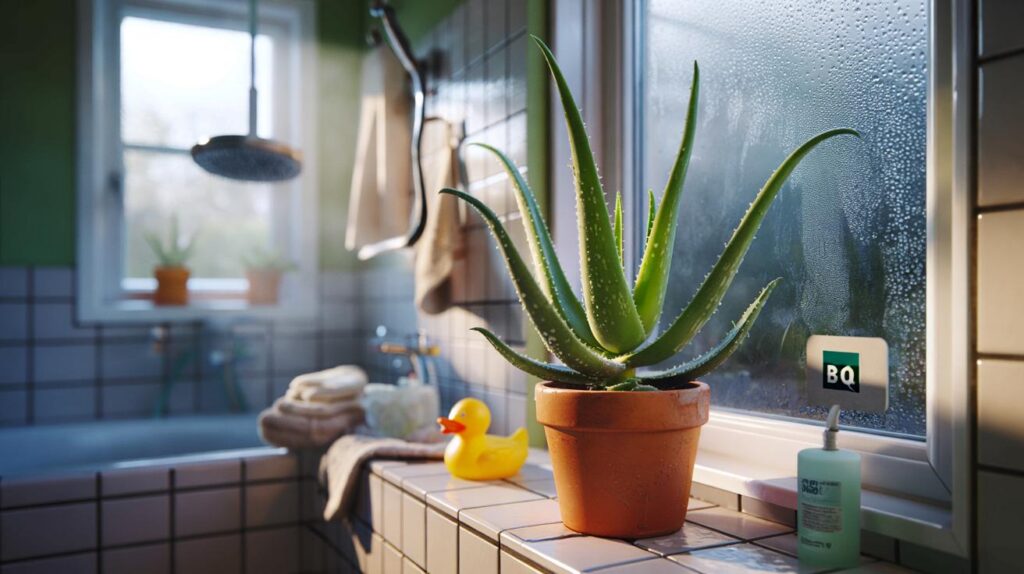
Cold mornings, steamed-up mirrors, and that familiar musty smell signal the start of the damp season. Families across the country are bracing.
Rising humidity turns bathrooms into breeding grounds for mould, and the clean-up can drain both time and money. A budget plant has sparked new interest as households search for an easier way to keep moisture under control without switching on power-hungry gadgets every day.
Why winter damp strikes bathrooms
Hot showers meet cold tiles and windows, and the air sheds water as soon as it cools. That moisture sits on grout and paint, feeding black spots around ceilings and sealant. People with asthma and eczema often report flare-ups when mould appears, and tenants risk deposit rows if stains set in.
Dehumidifiers work well, but they cost to buy and to run. An entry-level unit can draw around 200–300 watts, which adds up over hours of daily use. Parents juggling packed schedules want something that fits on a ledge and looks after itself between washes and bedtime stories.
Keep indoor humidity between 40% and 60% to starve mould. Above 60%, condensation builds fast on cold surfaces.
The £13.99 aloe vera trend: what it can and cannot do
Aloe vera, a tough succulent often kept for its soothing gel, is being snapped up as a low-cost, low-fuss ally against bathroom damp. Supermarket and DIY chains, including B&Q, have plants priced at around £13.99, a fraction of the outlay for a dehumidifier.
How it works in simple terms
As a succulent, aloe vera stores water in its leaves and tolerates steamy rooms. In humid air, the plant and its potting medium can act as a small moisture buffer near where steam gathers. You won’t get the pull of a compressor, but you gain a living, maintenance-light helper that reduces micro-condensation on nearby sills and tiles.
Expect modest, localised benefits. Treat it as part of a routine that also includes ventilation and heat management. People who place one by a shower window often report fewer drips and less persistent fogging in that spot.
An aloe vera won’t replace a dehumidifier, yet placed at a steamy window it can tip the balance away from mould.
Where to place it for real gains
- Put the pot on the bathroom windowsill or a high shelf close to the shower plume.
- Keep leaves clear of direct spray so water doesn’t pool in the rosette.
- A south or east-facing window helps growth; bright, indirect light works in winter.
- Use a saucer to protect paintwork and catch overflow if you mist nearby tiles.
- Pair with a door left ajar after showers to let warm, moist air escape.
How it compares with other moisture fixes
| Method | Upfront cost | Running cost | Noise | Best for | Limits |
|---|---|---|---|---|---|
| Aloe vera plant | ~£13.99 | None | Silent | Local condensation near sill or shower | Modest effect; needs light; not a full-room solution |
| Electric dehumidifier | £150–£300 | ~28p/kWh electricity | Low hum | Whole-room moisture control and drying laundry | Power use; filter/tank maintenance; space required |
| Extractor fan upgrade | £40–£120 (+ fitting) | Minimal | Low | Rapid removal of shower steam at source | Needs working ducting and regular cleaning |
Care basics for busy households
Aloe vera rewards neglect more than fuss. Water sparingly and keep the roots dry between drinks. In winter, once every three to four weeks usually suffices. Use gritty cactus compost and a pot with drainage. Rotate the plant every fortnight to prevent lopsided growth, and repot only every two to three years.
- Light: bright, indirect; short winter sun is fine through glass.
- Water: only when the top half of the compost feels dry.
- Temperature: 13–24°C; protect from icy draughts on frosty nights.
- Feeding: light cactus feed in spring and summer; none in winter.
Health, safety and limits you should know
Keep aloe out of reach of pets and toddlers. The sap can irritate if ingested, and the spines are scratchy. If you harvest gel for minor kitchen burns, use clean tools and a mature leaf; patch-test first on sensitive skin.
On performance, set expectations. A plant helps keep local surfaces drier but cannot cure structural damp. If you see widespread black mould or water staining, check for leaks, failed grout, or poor ventilation. Treat visible mould with appropriate cleaning and remain cautious if anyone in the home has respiratory conditions.
Extra tactics that multiply the effect
Quick daily habits that starve mould
- Run the extractor for 15–20 minutes after showering; leave the door ajar.
- Squeegee tiles and glass; you remove the water mould feeds on.
- Heat rooms steadily to reduce cold surfaces where condensation forms.
- Dry towels fully between uses; avoid piling damp laundry in the bathroom.
- Aim for 40–60% relative humidity; a £10–£15 hygrometer makes tracking easy.
If energy costs worry you, a small dehumidifier at 200 watts for six hours uses about 1.2 kWh. At 28p per kWh, that’s roughly 34p per day, or around £10 a month over a 30‑day spell. Using a plant, better fan use, and a squeegee may let you cut runtime by a third in many homes.
Why families are buying now
Price matters at this time of year. A £13.99 aloe gives you a low-risk trial, instant greenery, and a bathroom that feels less clammy after showers. Parents like the set-and-forget aspect: no filters, no tanks to empty, and a practical gel for the occasional bake-off burn. That blend of function and cost explains the sudden rush on supermarket trolleys.
If you want to go further
Combine approaches for a bigger payoff. Fit a humidity timer to the fan so it runs on after you finish showering. Add self-adhesive thermal film to the coldest pane to lift its surface temperature. Seal gaps around a leaky window frame. Put the aloe by that window to catch the last of the steam, and use a hygrometer to see the difference within a week.
For people in rentals, portable fixes work best. A plant, a squeegee, a door hook for towels, and a fresh fan filter cost little and carry well when you move. If you share a house, set a bathroom rota: five minutes with the window cracked after each shower prevents hours of scrubbing later.



Can an aloe vera really cut energy bills by 30%? That sounds like confusing correlation with causation. A succulent’s moisture buffering is tiny compared to a 200–300W dehumidifier. Do you have measured RH curves (with/without plant) or kWh savings over a month under similar use? Otherwise this feels more like a nice add‑on than a game‑changer.
So we’re drafting houseplants into the anti-mould army now? Private Aloe reporting for dooty.