
A frontline medic turned TV figure sets out a blunt message on screens, schooling and stress — and why hope still remains.
Dr Alex George, the former A&E doctor and Love Island contestant now known for mental health campaigning, has set out a stark picture of childhood in 2025. Speaking on a parenting podcast, he argued that excessive screen time is feeding anxiety and isolation, while an exam‑first school culture leaves pupils less prepared for adult life. He struck a practical tone, urging families, schools and tech users to make small changes that add up.
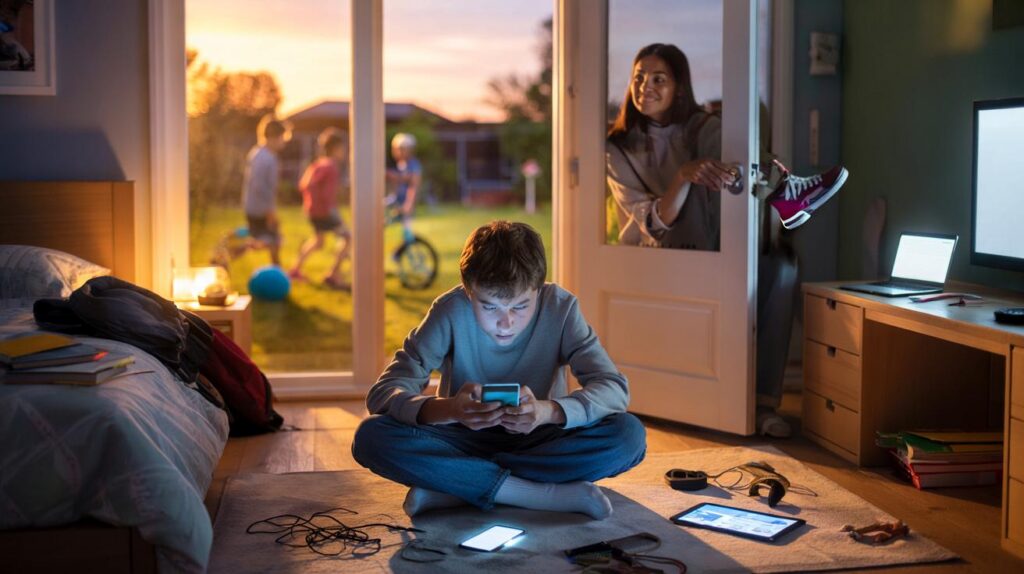
Screen time is crowding out life
Dr George frames screens as the defining pressure on young minds. Children feel constantly connected, yet less connected to people in front of them. Feeds compete for attention every waking hour. Sleep gets squeezed. Quiet time disappears. Friendship moves onto platforms, where misunderstandings escalate fast and comparison never stops.
Children sit in a world that is always on. Hyper‑connected online, they can end up under‑connected face to face.
He does not call for panic. He calls for a reset. Families can agree phone‑free zones at the table and in bedrooms. Schools can give pupils more structured breaks away from devices. Platforms can design for healthier habits, from defaults that nudge towards shorter sessions to tools that make muting and reporting obvious and quick.
He warns that the “information diet” has become overloaded. Young people scroll through war footage, celebrity drama and exam memes within minutes. That mix can lift mood one moment and flatten it the next. Teaching digital literacy — how to spot manipulation, when to pause, how to curate notifications — can reduce the mental noise.
What children say they need
When teens speak candidly, they ask for basics: time to sleep, places to meet safely offline, and adults who listen without rushing to judgement. Many say they want help building everyday routines, not just crisis support when things go wrong.
From exams to wellbeing
Dr George argues that the school day leans too heavily on memorise‑test‑repeat. He wants a shift towards growth of the whole person: empathy, teamwork, resilience and self‑care, alongside core subjects. He believes that approach prepares pupils to cope with uncertainty, not just to pass a paper.
Education should help a child become a capable adult: emotionally literate, practically skilled and confident with setbacks.
He also spotlights financial stress. Few adults remember learning how payslips work, what APR means, or why inflation bites. He wants financial health taught plainly and early, so that young people approach money choices with less fear.
Build the timetable around life skills
- Weekly practical finance: budgeting a part‑time wage, reading a payslip, setting up an ISA, understanding APR and loans.
- Health literacy: sleep routines, nutrition basics, how to ask for help, and what good mental hygiene looks like.
- Teamworking and conflict skills: role‑play, project work and feedback without blame.
- Digital self‑management: notifications, privacy, reporting abuse, and curating a calmer feed.
- Service and community time: volunteering projects that build purpose and belonging.
Move more, feel better
The campaigner links movement with mood, noting that weight‑bearing activity and getting outdoors send signals that lift energy and sharpen focus. A brisk walk before school, a short strength routine, or games at break can improve attention and help sleep arrive earlier.
Movement acts like medicine for the adolescent brain: steadier emotions, deeper sleep, clearer thinking.
He suggests teaching the “why” behind PE. Children engage more when they hear how exercise triggers chemical messengers that support the brain. Show the science in simple terms, then pair it with achievable sessions that fit within a crowded day.
Make it doable this week
- Set a household wind‑down: phones out of bedrooms by 9pm, alarms on a cheap bedside clock.
- Create a 20‑minute after‑school movement slot: dog walk, stairs, skipping rope, or a short park circuit.
- Use “friction” for apps that steal time: move them off the home screen and turn off auto‑play.
- Swap one scroll block for one social block: meet a friend, call a grandparent, cook together.
- Teach one money skill on payday: check a payslip, split spending‑saving‑giving, or compare APRs.
An example plan families can adapt
These caps refer to recreational screen use and do not include homework. The aim is to protect sleep, social time and activity, not to count every minute.
| Age | Daily cap (recreational) |
|---|---|
| Under 6 | Up to 1 hour, co‑view when possible |
| 6–12 | 1.5–2 hours, earlier cut‑off on school nights |
| 13–17 | 2–3 hours, with phone‑free meals and bedroom curfew |
Adjust for neurodiversity, special interests and family schedules. The anchor points are non‑negotiables: 8–10 hours of sleep for teens, daily movement, and time with people they care about.
Where parents fit in
Change sticks when adults model it. Keep your own phone off the table. Say why you mute an app. Share how you manage stress. Use calm, consistent rules rather than surprise punishments. When a child slips, reset together and try again.
Schools can help by protecting real breaks and setting spaces where phones stay away. A five‑minute breathing drill before exams costs nothing and can reduce panic. Form tutors can check practical things first — food, sleep, safe travel — before pushing for grades.
Key terms and practical add‑ons
Information diet: the mix and pace of content a child consumes. You can lower the intensity by turning off push alerts for non‑essential apps, unfollowing accounts that trigger comparison, and scheduling specific times for news rather than grazing all day.
Financial health: habits that keep money stress manageable. Try a 30‑minute family session each month to set a simple budget, review a bank statement, and plan for a goal, such as a trip or a bike. Use real numbers and let children make small decisions with a small allowance.
Risk to watch: doomscrolling after lights‑out. Move chargers to the kitchen, set a Wi‑Fi off timer, or use a low‑tech alarm clock. Benefit to aim for: consistent routines. A repeatable evening pattern — dinner, homework, screen break, movement, shower, reading — reduces friction and supports better sleep.
Simple simulation: set a one‑week trial where each family member swaps 30 minutes of scrolling for 30 minutes of movement or making. Record mood, sleep and focus at the end of each day. Compare notes after seven days and keep whatever helped.



Is there solid evidnce that 5+ hours causes anxiety vs. correlates with kids already struggling? The plan excludes homework, but many assignments spill onto apps. How do we tell helpful study scrolling from the doomscroll you warn about?
We tried your one‑week swap: 30 mins of scrolling -> 30 mins of movement. Kid did stairs + a short park loop; sleep came faster and morning mood was less spiky 😊 Thanks for the doable ideas like phones out of the bedroom.