
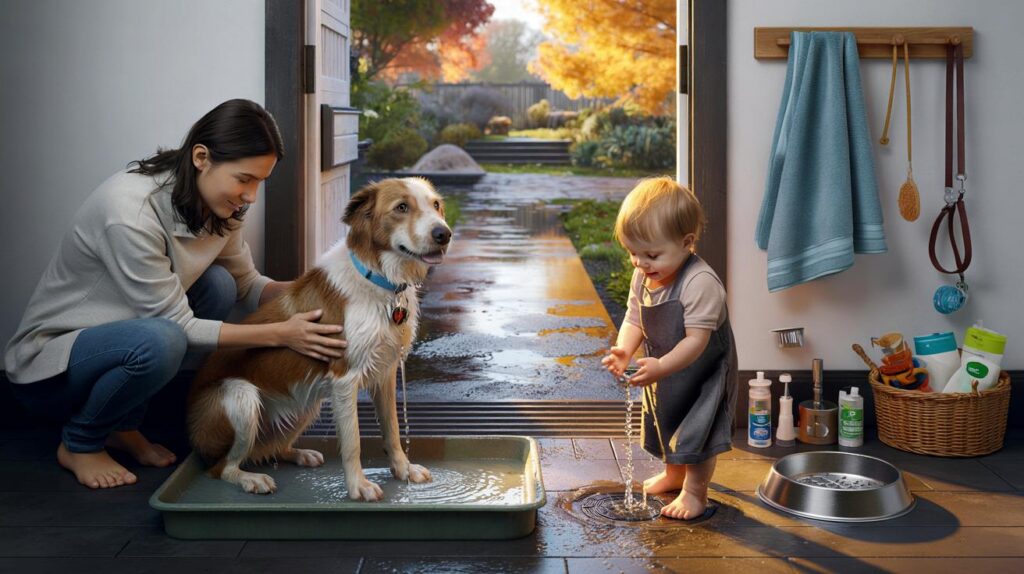
Rainy walks and sofa snuggles feel harmless, yet the season can smuggle health risks into busy, kid-filled homes, quietly.
As puddles return and muddy paws pad across floors, families face a familiar but often overlooked challenge: infections that pass from dogs to people. Most homes can shut the door on trouble with simple routines, sharper awareness, and timely vet care. Here’s how to keep affection high and risk low during the wet months of 2025.
Why wet months raise the household risk
Zoonoses are diseases that jump between animals and people. In family life, the main concerns are leptospirosis from contaminated water or urine, ringworm from skin contact, toxocariasis from worm eggs in soil or faeces, and rabies tied to travel or illegal imports. Healthy, well-cared-for dogs rarely pass on illness, yet seasonal conditions and close contact can change the odds.
Children under five, pregnant people, older adults and anyone with a weakened immune system feel the impact first. A lick on the face, a hand-to-mouth habit after fetch, or a missed poo in the garden can seed problems that take days to show.
Clean hands after play and poo pick-up shut down most dog-to-human infections faster than any fancy spray.
Leptospirosis: puddles, rats and the hidden splash risk
Leptospira bacteria thrive in warm, wet environments and spread via urine, often from urban wildlife such as rats. Dogs can get exposed when they drink or swim in stagnant water, or when cuts meet muddy runoff. People can catch it through broken skin or mucous membranes after handling a wet coat or contaminated gear. Vaccination reduces risk and illness severity. Rinse muddy paws and bellies after walks, and avoid letting dogs drink from puddles.
Ringworm: the misnamed fungus that loves close quarters
Ringworm isn’t a worm, but a contagious fungus. It hops from fur to skin during cuddles or grooming and lingers on blankets and brushes. It causes circular, itchy patches in people and scaly skin or broken hairs in dogs. Treatment clears it, but cleaning wins the battle: hot washes for textiles, regular vacuuming, and careful disinfection of grooming tools.
Toxocariasis: the playground parasite that targets curious hands
Roundworm eggs from dog faeces can mature in soil and sand. Young children, who touch their faces often, face the biggest risk. Routine worming for pets, immediate poo collection, covered sandpits and good hand hygiene close this route.
Rabies: rare here, risky when travel complicates the rules
Rabies remains a travel-linked threat across parts of the world. Rules on pet importation and vaccination keep risk low in Western Europe. If your dog travels or you plan to adopt from abroad, follow vaccination schedules and quarantine requirements to protect your household and community.
Seven easy moves you can start today
- Wash hands for 20 seconds after play, feeding, grooming and poo pick-up, and before eating.
- Keep vaccinations current, including leptospirosis and rabies if you travel; book annual vet checks.
- Use tick, flea and worm control as your vet advises; set calendar reminders every month or quarter.
- Pick up poo immediately at home and outdoors; double-bag if soft, then bin securely.
- Rinse paws and bellies after muddy walks; dry with a dedicated towel you wash on hot.
- Cover sandpits and play areas; teach children not to kiss the dog or share food with it.
- Feed in a defined spot; wash bowls daily in hot, soapy water or the dishwasher.
Set a two-minute routine at the door: boots off, paws rinsed, towel dry, hands washed, kettle on.
Three red flags that deserve a same-day call to your vet
- Sudden fever, vomiting, lethargy or yellow gums after puddle-heavy walks.
- Patchy hair loss, circular skin lesions or persistent itching in pets or people at home.
- Worms or rice-like segments in stools, or any blood, mucus or unusual smell.
What each risk looks like at a glance
| disease | main route | what protects you |
|---|---|---|
| leptospirosis | urine-contaminated water or soil | vaccination, avoiding stagnant water, rinsing mud, glove use for dirty kit |
| ringworm | skin-to-fur contact, shared textiles and brushes | isolation during treatment, hot washes, surface disinfection, vet-prescribed therapy |
| toxocariasis | soil or sand contaminated with faeces | routine worming, prompt poo pick-up, covered sandpits, handwashing |
| rabies | bites, travel-linked imports | pre-travel vaccination, compliance with import rules, reporting suspicious bites |
How families can hard-wire safer habits without killing the fun
Make the rules easy to follow. Keep a hook by the door for the dog’s towel and a shallow tray for warm water in winter. Place hand soap and a nail brush next to the sink you use after walks. Store poo bags with the leads. The fewer steps, the more likely everyone sticks to the plan.
Coach children with simple cues: “hands, snack, play” becomes “hands, wash, snack, play.” Swap face kisses for chest rubs. Give praise when they remember. Habits embed faster when the routine earns smiles rather than scolding.
What to do after a splashy day out
Back home, park muddy kit at the door. Rinse paws and undercarriage, then dry thoroughly. Wash your hands before you touch snacks or your phone. Launder the dog’s towel and any soiled blanket on a hot cycle. If your dog drank from puddles and seems off-colour within days, call your vet and mention the exposure plainly.
Practical extras people ask about
How often should worming and parasite control happen
Many homes do well with monthly flea and tick prevention during warm, wet months and quarterly worming year-round, but needs vary by lifestyle, travel and local risk. Your vet will tailor a plan for your dog’s age, health and habits, especially if you visit farms, forests or city canals.
Does rinsing really help
Yes. A quick rinse removes mud that can carry leptospira and faecal residue. Drying also protects skin from irritation. Keep a spare towel and a jug by the door to make it painless.
Costs to expect for prevention
Allow a modest monthly budget: parasite control often sits around the cost of a couple of coffees per week; worming tablets typically fall into the price of a takeaway sandwich; core vaccinations and a yearly check spread across twelve months can cost less than a family streaming subscription. Prevention tends to cost less than treatment and time off work.
A simple weekend scenario you can copy
Saturday park trip: pack poo bags, a water bottle, collapsible bowl and spare lead. Steer the dog away from stagnant water and rat-heavy bins. Offer your own water, not puddles. Back home, run the two-minute doorway routine. Hand the children a reward for remembering their steps. In the evening, check the coat for ticks and burrs, and log any dosing dates on your phone.
When your household needs extra caution
If you’re pregnant, caring for a newborn, receiving chemotherapy or living with a chronic condition, tighten the routine: no face licking, no shared food, diligent handwashing, and stricter cleaning of bowls and bedding. Consider avoiding dog access to bedrooms. Ask your vet about vaccines and parasite schedules that reduce risk further.
Most families need small changes, not big sacrifices. A few steady habits keep paws playful and people protected.
The bottom line for a calmer, safer autumn
Keep contact joyful and hygiene predictable. Vaccinate on time, pick up poo promptly, and stick to rinses and hot washes when mud rules the day. Teach children the easy rules and praise the effort. You’ll protect the people you love without losing the dog moments that make a house feel like home.



Loved this—finally a practical checklist for soggy seasons. I honestly didn’t know ringworm isn’t a worm; the cleaning tips are gold. Definitley printing the seven moves for the fridge.