
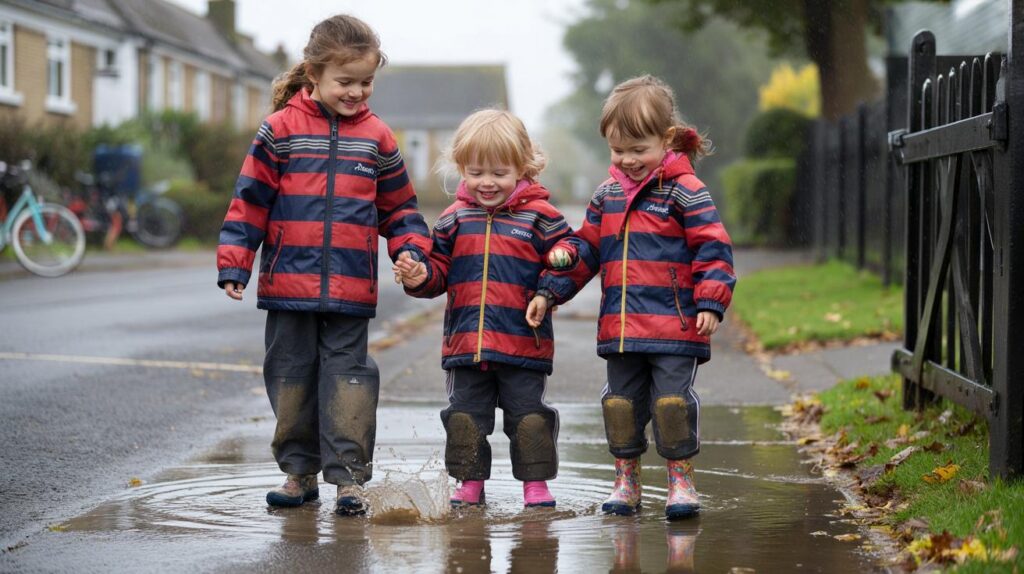
As the cold bites and school runs stretch on, families face a choice: replace shrinking layers or bank on last year’s kit.
Parents across the UK are turning to a Swedish label, Polarn O. Pyret, praising children’s clothes that survive mud, radiators and the wash cycle without fading or sagging. We looked at what makes the range feel different, why it costs a little more, and how long it can realistically last from playground to hand‑me‑down.
What parents are really buying
The promise sounds simple: buy once, wear for years, pass on. Many families report POP pieces that have gone through one child, then another, yet still look ready for nursery. Colours stay rich. Knees resist thinning. Zips glide after dozens of spins in the machine.
Built to be worn, washed and passed on — not binned. That’s the crux of Polarn O. Pyret’s appeal.
The brand’s stripes and bright unisex palettes help clothes cross siblings without fuss. That matters when sizes sprint ahead mid‑term and budgets feel tight.
The brand at the centre
Polarn O. Pyret (often shortened to POP) is a Swedish childrenswear label known for practical design and sturdy fabrics. The range spans winter coats, thermals and snowsuits through to UV‑protected swimwear for lessons and holidays. Details make life easier: easy‑pull zips for small hands, adjustable cuffs to extend a season, and cuts that layer well under coats or over thermals.
Standout features
- Durability: Fabric and stitching feel robust. Frequent washing does not distort shape or dull colour.
- Winter protection: Coats, thermals and snowsuits keep out wind and rain, which matters on sodden touchlines and icy pavements.
- Practical designs: Layer‑friendly fits, easy zips and adjustable cuffs turn morning dressing from chore to routine.
- UV‑protected swimwear: Built‑in UPF 50+ and quick‑drying materials suit pool sessions and beach days.
- Timeless style: Stripes, bold colours and unisex cuts slip easily between siblings and school years.
UPF 50+, windproof outerwear and kid‑proof zips: the small things that add up to big mileage.
Price versus value
POP typically sits above basic high‑street pricing, which can prompt hesitation at the till. The value case rests on longevity and reuse. If a coat stays warm and presentable for several winters — and then serves another child — the cost per wear falls fast.
Cost per wear, made simple
Here’s a straightforward way to weigh it up. These are examples to help you run your own numbers.
| Item | Example price | Likely uses | Cost per wear |
|---|---|---|---|
| Winter coat | £85 | 120 school runs + 20 weekend outings = 140 wears | 61p per wear |
| Snowsuit | £95 | 15 snow/park days per season, across 2 winters = 30 wears | £3.17 per wear |
| Swim set (UPF 50+) | £38 | 30 lessons + 10 holiday sessions = 40 wears | 95p per wear |
Pass those pieces to a younger child and the maths shifts again. The same £85 coat worn for a further 60 trips cuts the figure closer to 40p per wear. That is where buyers say POP earns its reputation.
Built for British weather
From coastal gusts to sideways rain, the UK asks a lot of kids’ outerwear. POP’s approach focuses on keeping water out and warmth in without bulk. Thermals line comfortably under school uniforms. Snowsuits and jackets feel supple rather than stiff, which helps children climb, crouch and cycle without restriction.
Layering is a theme. A breathable base, a cosy mid‑layer and a weatherproof shell let you adapt from frosty mornings to midday drizzle. Adjustable cuffs and hems tweak the fit as sleeves creep up and trousers inch higher mid‑term.
Design choices that save minutes
Details reduce faff during the rush. Zips that catch less. Storm flaps that stop wind sneaking in. Hoods shaped to stay put without constant tugging. When clothing supports the morning routine, children get out the door faster and parents spend less on quick fixes.
What could be better
- Prices land above entry‑level options, which can stretch budgets at checkout.
- Accessories such as hats and gloves often sell separately, nudging up the total.
- Popular sizes can sell through quickly in peak season, so timing a purchase matters.
Pay a little more once, or repeat‑buy cheaper gear that fades and sags — that’s the real decision.
Care, repair and resale
To keep fabrics performing, close zips and Velcro before washing, use a gentle detergent, and air‑dry when you can. For outerwear, re‑proof after a heavy season to refresh water repellency. Small repairs — knee patches, restitched seams — extend life further and keep pieces sale‑ready.
Quality kids’ clothing often holds value on resale. If you keep sets complete and note sizes clearly, you can aim to recover a useful share of the original spend, especially on winter gear and UPF 50+ swimwear in good condition. Many families also pass items through school swaps or family WhatsApp groups, which keeps costs and waste down.
Quick checklist for buying long‑lasting kids’ gear
- Check seams and stress points — turn clothes inside out and tug lightly along stitching.
- Look for adjustable cuffs, waists and hems to add a term or two of wear.
- Choose unisex colours and patterns if you plan to pass items to siblings.
- Prioritise UPF 50+ for swimwear and windproof, water‑resistant shells for winter.
- Run a cost‑per‑wear calculation before you buy, using your family’s real schedule.
Your questions, answered
Do these clothes stay warm and dry?
Yes. The winter range is designed for cold, wet conditions, pairing insulating layers with weather‑resistant shells.
Will colours fade in the wash?
Reports and hands‑on use suggest colours and shapes hold up well across frequent washing, provided care labels are followed.
Is the swimwear safe in strong sun?
Swim pieces use UPF 50+ fabric, which blocks most UV exposure on covered skin. Always pair with shade and sunscreen on exposed areas.
Are the styles unisex?
Many items use classic stripes and bold colours designed to work for any child, which helps with hand‑me‑downs.
How do I size for growth spurts?
If you sit between sizes, consider the larger size and use adjustable cuffs and waistbands to refine the fit. Layering can bridge a full season.
Smart ways to stretch your budget
Buy big‑ticket items — coats, snowsuits, thermals — off‑season when discounts appear. Build a capsule set of mix‑and‑match layers rather than one bulky piece. Track growth with a paper height chart and time purchases just before the jump to a new percentile. If you keep a simple log of wears, you can see cost per wear fall week by week, which makes the next size-up easier to justify.
For active families, think in activities. One warm coat covers five weekly school runs, weekend football and the park. A UPF 50+ set covers weekly lessons and summer holiday sessions. Map each purchase to real life, and you’ll buy less, wear more and pass on with pride.



£95 for a snowsuit and we’re promised three growth spurts? Sounds bold. Any real pics after a year?
We bought a Polarn O. Pyret winter coat in 2021; two kids later it’s still going. Colours haven’t bled, seams look rock‑solid, and the zipps glide even after countless washes. I do a quick re‑proof at the end of each season and air‑dry only. Cost per wear is probably under 50p now. Not cheap upfront, but it’s been the only jacket that didn’t sag at the elbows or pill at the cuffs. Definately recommend.