
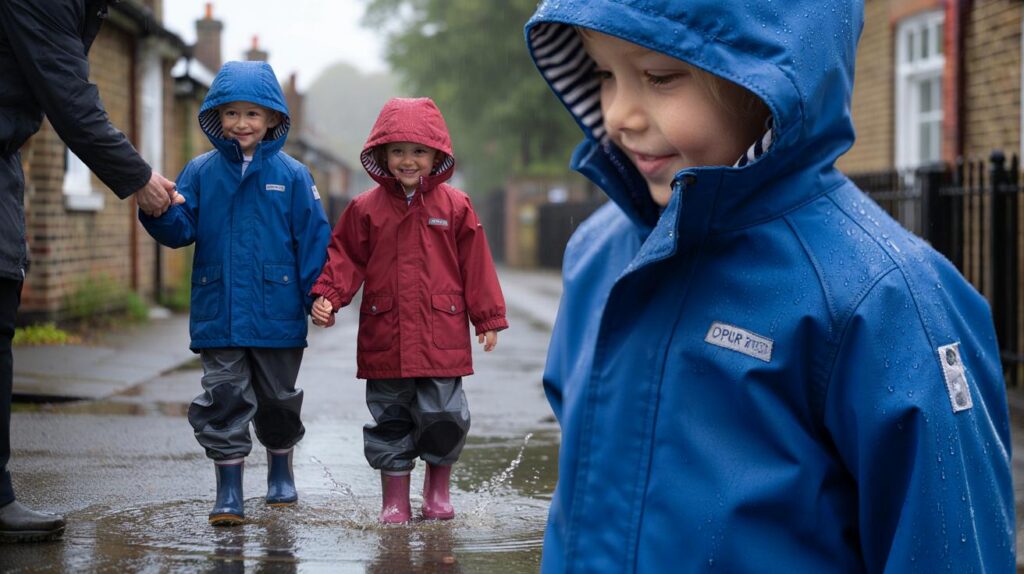
Parents say one set of kids’ clothes outlasted growth spurts and wash cycles, prompting a rethink of ‘buy cheap’ habits.
The buzz circles a Swedish label, Polarn O. Pyret (POP), whose children’s gear keeps cropping up in hand-me-down piles looking oddly fresh. Families swapping notes report jackets that shrug off rain, leggings that refuse to bag at the knees, and swimwear that still fits after holiday chlorine and the local pool’s spin cycle.
What parents are reporting
Speak to mums and dads who favour durability over fast fashion and a pattern appears. A single waterproof set covers nursery puddle-jumping, school playgrounds and weekend parks, then moves to a younger sibling without drama. Colours stay punchy. Seams hold. Zips keep gliding.
One jacket, two children, four winters, 50+ washes — still presentable for the school run.
These stories resonate because they cut against the usual cycle: buy low, watch it fade, replace by half-term. POP pieces feel different in the hand — denser fabric, neater stitching, trims that serve a purpose. The brand leans into unisex colours and classic stripes, which makes passing items between children easier and avoids the “last season” look.
Who makes the clothes
Polarn O. Pyret is a Swedish children’s outfitter with a practical streak. The design ethos prioritises movement, layering and easy care. Pieces aim to be worn hard and washed often without losing shape. You can see that in the way cuffs adjust, hoods fasten securely and trousers leave room for thermals underneath.
Built for British weather
Winter options focus on warmth and dryness. Parents point to taped seams, snug hoods and sturdy fabric that resists the kind of drizzle that hangs in the air for days. Thermals pair with waterproof shells so children stay warm at drop-off, then keep comfortable once they start running around.
Summer sorted
POP swimwear carries UPF 50+ ratings, dries fast between dips and stands up to salt and chlorine without turning limp. Long-sleeve tops and high-neck cuts protect shoulders and chests, so you spend less time chasing the sun cream bottle and more time watching the cannonballs.
Standout details parents rate
- Easy-on zips and poppers that small hands can manage without wrestling.
- Adjustable cuffs and waistbands that grow with a child across terms.
- Reinforced knees and seats on trousers that tackle playground slides.
- Reflective patches that show up on dark school runs.
- Layer-friendly fits that sit over jumpers without bunching.
- Fabrics that keep their colour and softness wash after wash.
How the numbers stack up
Durability only matters if the maths works. Many families say it does. Spend more at the outset, avoid two or three replacements and the budget evens out. Here is a worked example using typical high-street prices and conservative wear estimates.
| Scenario | Upfront cost | Items replaced over 3 winters (2 children) | Total spend | Estimated wears | Cost per wear |
|---|---|---|---|---|---|
| Budget sets (coat + trousers) | £70 per set | 6 sets (growth, wear and tear) | £420 | 360 wears (60 days x 3 winters x 2 kids) | £1.17 |
| POP set passed down | £120 per set | 1 set (same item, reused) | £120 | 240 wears (60 days x 4 winters across 2 kids) | £0.50 |
Change the assumptions and the gap moves, but the direction stays the same. Buying once and passing down trims waste and trims spend. Add in the resale value of a recognisable brand and the savings often edge higher.
Buy once, wear often, pass on — the economics of sturdy kids’ kit reward patience and planning.
How it compares on the high street
Parents often complain about fading after a couple of hot washes, pilling that makes jumpers feel rough and zips that give up at the first snag. POP’s pitch is that garments keep their shape, hold colour and avoid the weak points that lead to early binning. Unisex cuts help a single wardrobe serve different children, and the brand’s stripe motif still feels current years later.
There is also the comfort factor. Soft linings, flat seams and non-scratch labels mean fewer grumbles at 7am when the clock ticks and the cereal goes soggy. Practical details — chin guards, storm flaps, elasticated stirrups — sound small, yet they stop water creeping in and trousers riding up.
Where it could do better
- Prices sit above many high-street options, so the first purchase can feel steep.
- Accessories such as mittens and hats often come separately, adding to the basket.
- Certain prints sell out quickly, so sizes can vanish mid-season.
These points matter if your child misplaces kit with Olympic regularity. Labelling helps. So does choosing bolder colours that stand out in the cloakroom.
Care, repairs and resale
Strong clothing still needs sensible care. A few habits stretch the life of outerwear and knitwear and keep that “still new” look longer.
- Wash at 30°C, zip up garments and turn them inside out to protect trims.
- Skip fabric softener on waterproofs; reproof with a spray or wash-in treatment each autumn.
- Line-dry where possible; a short, low tumble revives water repellency on shells.
- Patch small snags on knees and elbows before they widen.
- Keep a drawer of spare press-studs and elastic; five-minute fixes prevent replacements.
When a child outgrows a piece, the resale market for quality children’s gear stays lively. Listing well-known brands with clear photos and measurements usually recoups a portion of the spend, lowering the true cost per wear.
What to check before you buy
- Waterproof rating and taped seams for winter coats and trousers.
- Breathability if your child runs hot on the playground.
- Extendable cuffs or hem lets that add a season without pinched wrists.
- Reflective details for darker afternoons.
- UPF 50+ on swim tops and shorts for lessons and holidays.
- Machine-washable labels on every component, including linings.
Why families are changing tack
Rising prices have nudged many households to think in terms of cost per wear, not just ticket price. A higher upfront spend that halves the replacement cycle feels less risky when a coat looks nearly new after term-time battering and still fits under a backpack. Add the comfort of knowing a younger sibling can inherit the same piece and the case firms up.
This shift also crosses into sustainability. Fewer garments bought and binned means fewer plastics shed and less fabric in landfill. A small wardrobe of hard-wearing staples — a waterproof shell, lined trousers, a couple of thermals and a UPF set — covers most British weather without overflowing drawers.
A practical next step for your budget
Run a quick wardrobe audit. Count how many coats and trousers you replaced last year, tot up the receipts and divide by the number of school days they were worn. Then price a single durable set and compare the two cost-per-wear figures. If the numbers align with your routine — regular outdoor play, rainy walks, weekend sports — the long-life route may suit your family.
If funds are tight, start small. Pick the item that fails first — often trousers or a rain jacket — and upgrade there. Look for sales, pre-loved listings and neutral colours to maximise hand-me-down potential. The aim is simple: less faff, fewer last-minute dashes to the shop, and clothing that can handle real childhood chaos without falling apart.



We bought a POP shell + trousers in 2021 and it’s now on child #2 — still looks weirdly new 🙂 Knees haven’t bagged, zips glide, colours pop. Price stung at first, but we’ve actually spent less overall. Only wish mittens weren’t extra :/ Definitley worth stalking the sales though!