
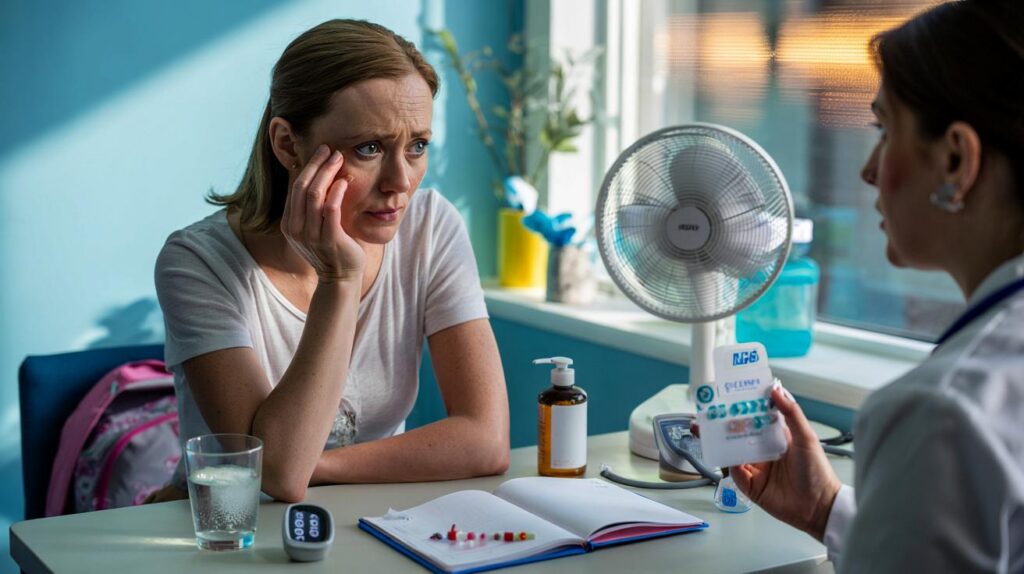
If your patience is thin and sleep is patchy, you might think it’s stress. The story could be hormonal.
Millions in midlife are entering perimenopause, often without a map. New NHS Health Check changes promise earlier recognition and support.
What perimenopause actually is
Perimenopause is the transition before menopause, when oestrogen and progesterone rise and fall unpredictably. The shifts can be daily, even hourly, and they influence every system from brain to bones. Menopause is confirmed after 12 months without a period. Perimenopause typically begins in the early to mid‑40s, yet it can arrive earlier and last months to a decade.
Hormone levels swing quickly, so a single blood test can mislead. Your pattern of symptoms often tells the story.
Symptoms you might be missing
People expect hot flushes and mood swings. Many do not expect joint pain, brain fog or dry eyes. The kicker: the symptom profile in perimenopause overlaps heavily with menopause itself.
- Fatigue that lingers despite rest
- Mood changes, irritability or anxiety
- Brain fog and memory slips
- Sleep disturbance and night sweats
- Hot flushes
- Joint and muscle aches
- Irregular or heavier periods
- Vaginal dryness or itching
- Reduced libido
- Headaches or migraines
- Dry, gritty eyes
Less obvious signs can include tinnitus, altered taste or smell, bleeding gums, brittle nails, dizziness and deep bone pain. Some women find tinnitus or migraines improve when hormones are balanced, underlining the biological link.
Three questions to ask yourself: Has my cycle changed? Are symptoms clustering? Do they ease mid‑cycle then spike again?
Why this matters now
The scale is striking. Around three in four women experience perimenopausal symptoms, with an average duration around seven years. Yet fewer than one in ten feel they have enough information to cope and plan care.
3 in 4 affected. 7 years on average. Fewer than 1 in 10 feel informed. That gap is finally being addressed.
The NHS Health Check, offered every five years to adults aged 40–74, is being updated to include targeted menopause questions. That change could steer nearly five million women towards timely treatment, rather than months or years of guesswork. The Health Secretary has said women should not grit their teeth through debilitating symptoms, signalling that GP teams will be expected to ask, listen and act.
Parenting and the mental load
If you’re juggling school runs, after‑school clubs and the invisible labour of family life, perimenopause can sharpen the edges. Patience thins. Noise tolerance drops. Plans feel harder to hold. This is not a personal failing. Oestrogen influences mood regulation, sleep architecture and executive function — the very tools parents lean on daily.
What children see
Children, especially teens, can misread forgetfulness or a shorter fuse as rejection. They don’t see hormonal flux. They see unpredictability from the person who usually anchors the day.
What the brain is doing
Falling oestrogen alters activity in serotonin, noradrenaline and acetylcholine pathways. That can produce anxiety spikes, word‑finding trouble and a sense of mental “mist”. Add poor sleep and blood sugar dips, and small stresses feel colossal.
Talk about it at home
Families who name what’s happening tend to experience fewer clashes and stronger bonds. Give children a simple script and clear reassurance.
Mum is going through body and brain changes. I might get tired or overwhelmed, but it’s not your fault.
What helps right now
Start by logging symptoms for two to four weeks. Note cycle day, sleep, stress, alcohol and exercise. Patterns jump out quickly. Many over 45 can be diagnosed by symptoms alone. Under 45s may be offered blood tests to rule out other causes, as hormones fluctuate too widely for a single reading to be definitive.
Treatments your GP can offer
- Hormone replacement therapy (HRT): oestrogen (patch/gel/spray) plus progesterone if you have a uterus; tailored dosing.
- Vaginal oestrogen for dryness, soreness and recurrent urinary issues; safe long‑term and can be used with systemic HRT.
- Non‑hormonal options where HRT isn’t suitable, including certain antidepressants for flushes and anxiety.
- Migraine strategies: stable oestrogen delivery (patch/gel), trigger management, and acute migraine treatments.
- Sleep support: cognitive behavioural therapy for insomnia, light cues on waking, and caffeine timing.
- Dry eye management: preservative‑free lubricating drops and screen break routines.
- Pelvic floor physiotherapy for bladder symptoms and sexual comfort.
Self‑care with real impact
- Strength training twice weekly to support bones and joints; brisk walking most days.
- Protein with each meal; calcium, vitamin D and omega‑3 sources for bone and brain health.
- Alcohol on fewer days; it worsens flushes, sleep and mood swings.
- Cooling strategies: breathable layers, bedside fan, ice water before bed.
- Micro‑breaks: 60‑second pauses between tasks reduce overload and irritability.
- Plan B days: lower the bar, batch tasks, outsource where possible.
When to act fast
Some symptoms need urgent assessment. Use this guide as a prompt to seek help promptly.
| Symptom | What may help today | Red flag for urgent GP or 111/NHS care |
|---|---|---|
| Heavy or prolonged bleeding | Track flow; iron‑rich foods; rest | Flooding, clots larger than a £2 coin, or bleeding between periods |
| Chest pain or breathlessness | Stop activity; sit upright | Sudden chest pain, jaw/arm pain or shortness of breath |
| New severe headache | Hydration; dark, quiet room | Neurological symptoms, visual loss, or “worst ever” headache |
| Low mood | Routine, daylight, talk to someone you trust | Persistent depression, intrusive thoughts or any self‑harm ideas |
If symptoms disrupt your work, relationships or driving, book a GP appointment rather than waiting it out.
Five questions you’re asking
Is it stress or hormones?
Both can be true. If you’re over 40 and notice cycle changes plus night sweats, joint pain, brain fog or mood swings, hormones are likely involved. A diary helps you and your GP connect dots.
Can perimenopause start in your thirties?
Yes. A small proportion experience earlier transition. About 1 in 100 women reach menopause early. If you’re under 45 with symptoms, seek medical advice and consider tests to rule out other causes.
Do I need blood tests?
Often not. Over 45, diagnosis is usually clinical. Under 45, tests may be considered. Because levels fluctuate, a “normal” result does not rule out perimenopause. Treatment can still be based on symptoms and need.
Which symptoms fly under the radar?
Tinnitus, altered taste or smell, gum changes, nail brittleness, dizziness and deep bone aches. Some find these improve with steady oestrogen delivery. Report them so they’re not dismissed.
How do I talk to my children?
Use simple, age‑appropriate language. Explain you’re going through changes that can make you tired or emotional, and it isn’t their fault. Invite questions. Name what helps — quiet time, a walk, a cuddle.
Useful extras
Think long‑term as well as short‑term relief. Lower oestrogen raises risks of osteoporosis, cardiovascular disease, type 2 diabetes and, for some, dementia. Treating symptoms early, lifting activity levels and improving diet can protect future health as well as today’s quality of life.
Money and access matter. The updated NHS Health Check will signpost support. In England, a prepayment option can reduce prescription costs for HRT; prescriptions are free in Scotland and Wales. Ask your employer about a menopause policy, flexible working or simple adjustments such as cooler workspaces and brief recovery breaks. Small changes compound quickly when your hormones are in flux.



Thanks for breaking this down — bookmarking for my GP chat 🙂 The checklist of under‑the‑radar symptoms explains a LOT.
Seven years on average is huge. But will the updated NHS Health Check actually give us time with GPs, or just more tick‑boxes? This definately feels like promises without resourcing.