
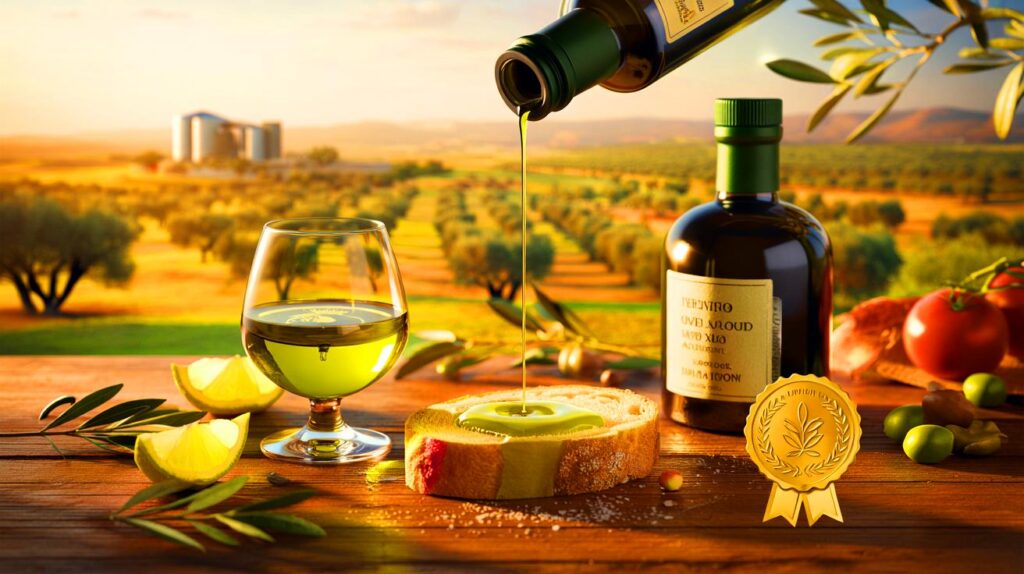
Across Portugal’s sunlit plains, a modest bottle is stirring debate about flavour, craft and what we bring to the table daily.
One extra-virgin olive oil from Alentejo has just risen above a crowded international field, prompting home cooks to rethink what a drizzle can do.
A quiet revolution from Alentejo
Portugal has landed the top spot in the 2025 Mario Solinas Quality Award run by the International Olive Council, the benchmark contest for extra-virgin olive oil. In the “light green fruity” category, a lot produced at Lagar do Marmelo in Ferreira do Alentejo, bottled under the Oliveira da Serra brand and managed by Nutrifarms, took first place. Judges praised balance, clean execution and a clear varietal signature rooted in the Alentejo’s dry heat and long light.
From 130 entries spanning Italy, Greece, Tunisia, Turkey, China and France, the Alentejo lot ranked no. 1 in the light green fruity class.
The result shines a light on a region that now drives much of Portugal’s modern olive sector, marrying ancient groves and new-generation mills. Here, early picking preserves freshness, and swift cold extraction locks in aroma while keeping oxidation low.
How the award works
The IOC’s panel evaluates oils blind, scoring harmony, aromatic complexity and mouthfeel. Entries sit in defined intensity bands—from light to intense fruitiness—so like competes against like. Only samples that show a coherent sensory profile, free of defects and with a persuasive finish, make the final cut.
| Key fact | Detail |
|---|---|
| Award | Mario Solinas Quality Award 2025 (International Olive Council) |
| Winning category | Light green fruity (often called “green, light”) |
| Entry field | 130 oils from multiple producer nations |
| Winner | Oliveira da Serra, produced at Lagar do Marmelo, Ferreira do Alentejo |
| Operator | Nutrifarms (agricultural arm of the brand) |
| Judges’ take | Precise extraction, fresh green notes, cohesive palate and clean finish |
What sets this oil apart
Producers targeted peak phenolic freshness by harvesting early, milling within hours and keeping extraction temperatures low. That technical discipline shows in the glass. Expect measured bitterness and a peppery lift, carried by a vivid green profile. Local varieties—Galega, Cordovil and Verdeal among them—bring structure and nuance that hold steady across bread, salads and delicate fish.
Green almond, olive leaf and tomato lead the nose, followed by a crisp, sappy palate and a tidy, peppered finish.
The Alentejo’s clay-limestone soils and big diurnal swings help concentrate aroma precursors in the fruit. Modern centrifugal lines at the mill limit oxygen exposure, while polished filtration strategies keep clarity without stripping character. It’s a contemporary Portuguese style: fruit-forward, tidy, and engineered for precision at the table.
From judging room to supermarket shelf
Unusually for a contest-winning lot, a limited edition of numbered bottles is reaching major Portuguese supermarkets. The label signals the specific batch and origin, giving everyday shoppers a taste of what usually stays in professional circles. Expect a premium price and a short window of availability, especially in urban stores with higher turnover.
A numbered, limited release takes a competition oil off the podium and into home kitchens.
For many households, this is a chance to benchmark their regular bottle against a decorated reference. It also nudges retailers to stock fresher harvests and clearer labelling, because once people taste a precise, clean oil, they tend to notice when aroma falls flat.
How to use it at home
- Warm bread: pour a thin ribbon, add a pinch of flaky salt and a squeeze of lemon.
- Tomato salad: let the oil coat the fruit; avoid heavy vinegar that masks green aromas.
- Roasted vegetables: dress after roasting to protect the brighter notes.
- White fish: spoon over steamed or grilled fillets just before serving.
- Soups and pulses: finish bowls of caldo verde or chickpeas with a teaspoon for lift.
Keep heat gentle. Extra-virgin tolerates sautéing, but raw applications showcase its aromatics best. For high-heat frying, switch to a neutral oil and finish with EVOO at the end.
Buying and storing extra‑virgin: quick checks that matter
- Harvest date beats “best before”. Aim to use within 12–18 months of harvest.
- Bottle or tin should shield light; dark glass helps preserve flavour.
- Look for acidity at or below 0.8% on quality-focused labels; it indicates careful fruit handling.
- Store cool and dark, and recap immediately. Oxygen and warmth fade aroma quickly.
- Prefer producers who identify variety, mill and lot; traceability tends to align with care.
Taste like a panel judge
A three‑minute method
- Pour 15 ml in a small cup. Warm it in your hand for 30 seconds with the lid on.
- Smell for fruitiness: leaves, almond, tomato and herbs should feel fresh, not musty.
- Sip a thin stream, spread over the tongue, then draw a little air to lift volatiles.
- Note bitterness on the sides, pepper at the back, and whether the finish stays clean.
- Pair immediately with food that flatters those notes; write a quick one‑line verdict.
Why Alentejo keeps rising
The region mixes expansive groves, modern mills and irrigation designed for dry summers. Consistent fruit quality means producers can plan early harvests and protect phenolics, which translates into greener profiles that judges often reward. At the same time, traditional trees and historic cultivars keep a link to older flavours that chefs appreciate.
If you can’t find the limited run, look for Portuguese oils that list Alentejo fruit, a recent harvest date, and a precise mill. Single‑estate and single‑varietal bottlings offer clarity, while blends balance season-to-season variation. For budget shoppers, small 250 ml formats reduce waste and keep flavours brighter over time.
What this means for your basket
Competitions do not replace personal taste, yet they help you calibrate quality. Try this winning style once, then line it up next to your usual bottle and compare. If green almond and tomato notes make salads sing, you have a reference point. If you prefer softer, riper flavours, seek a “ripe fruity” profile instead.
Finally, watch for two risks—stale stock and vague labelling. Ask retailers when the new harvest lands; buy what you’ll finish in six weeks; and keep the bottle near the table, not by the hob. Small habits preserve value, and with a medal-winning oil on the shelf this season, you have a timely reason to taste with intent.



Tempted, but my wallet says no.
Just grabbed a limtied bottle of Oliveira da Serra—green almond and tomato really jump.