
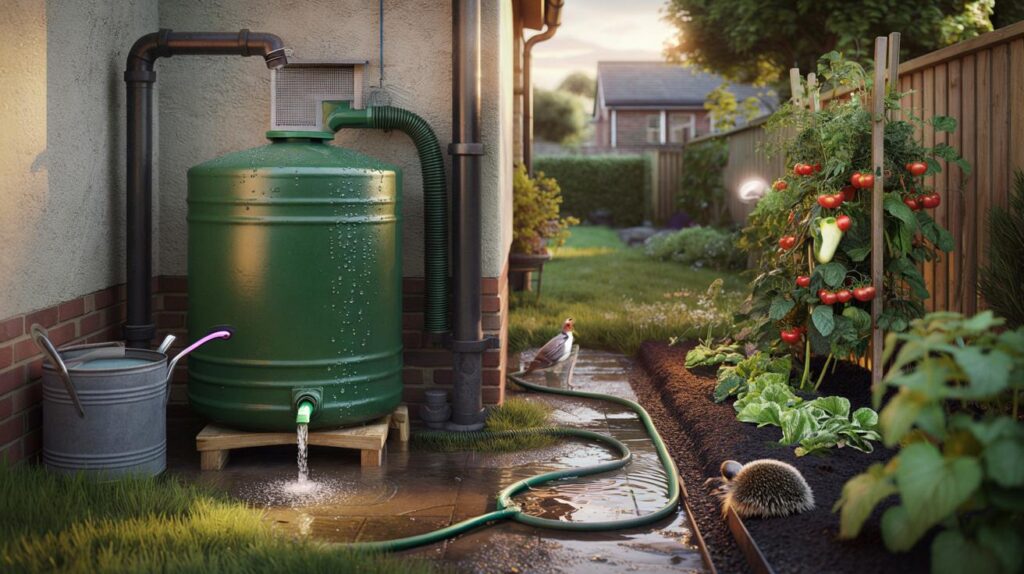
Across Britain, taps run pricier and summers run drier. Gardeners are quietly turning to older habits with surprising results.
As hosepipe bans loom and water bills inch upward, a once-ignored fix is moving from folklore to front garden. The trick is neither high-tech nor costly. It starts at the gutter and ends with thriving beds that can ride out a dry spell without touching the mains.
A forgotten fix returns to the shed
For decades, farmyards lined up barrels beneath guttering and let the weather do the heavy lifting. That simple habit is back. From terraces to allotments, rainwater harvesting is being fitted in weekends and paid back in one growing season. The goal is clear: keep plants watered, cut mains use, and remove the anxiety that comes with each dry forecast.
A small system looks modest. A diverter clips onto the downpipe. A butt or a closed tank collects the flow. A basic screen keeps out leaves. Yet the effect on a garden is striking. Stored rain feeds seedlings, sustains soft fruit, and takes the edge off heatwaves when taps are restricted.
One roof can turn showers into supply. Even a 50 m² surface can deliver dozens of litres during a modest burst of rain.
Autumn makes the timing favourable. Cooler air slows algae, leaves signal when filters clog, and frequent showers help fill reserves for spring sowing.
Turning gutters into blue gold
Installation is brisk if you plan it. Choose a tank that suits the space and the crops you grow. A 200–300 litre butt helps with weekend watering. Larger gardens benefit from linked tanks and higher capacity. Shade the container to limit evaporation and stop algae blooming. Set the butt on a level base to gain enough head pressure for a hose or a dripline.
- Fit a downpipe diverter with an integrated screen to catch leaves and grit.
- Route the overflow well away from walls and foundations.
- Seal gaps and add a fine mesh under the lid to keep out mosquitoes.
- Place the outlet tap low, and add a second, higher tap for filling cans.
- Keep the pipework short and straight to reduce losses.
Autumn set-up pays twice: frequent showers fill tanks now, and the system stands ready when spring seedlings demand steady drinks.
Simple kit, smarter watering
You do not need a pump to water well. Watering cans give control. A low-pressure dripline or a soaker hose connected to the butt targets roots without wetting leaves. Both save time and reduce waste. Gardeners who mulch beds and water early or late often halve their demand in hot spells.
Watering without the mains
Storing water is only part of the story. The way you deliver it matters. Thick mulch around crops locks moisture in the topsoil. Furrows along rows guide water to where it counts. Burying a perforated bottle or pot beside thirsty plants feeds roots directly and reduces surface loss.
Calibrate your routine to the crop. Seedlings prefer a gentle, frequent drink. Deep-rooted plants handle more at longer intervals. Rainwater helps both because it is soft and chlorine-free, which keeps soil microbes active and the structure crumbly. Healthier soil holds water longer and buffers heat stress.
Maintenance keeps the system clean. Rinse the filter when leaves fall. Check seals and diverters after storms. Drain sediment before winter freezes or after a spell of stagnation. A quick monthly check prevents odours and keeps flow consistent.
Side benefits: bills, soil life and backyard wildlife
A rain-fed plot takes pressure off the meter and the mains. Households with a modest set-up often save hundreds of litres a month during the growing season. That volume can bridge hosepipe bans and protect crops during peak demand. Rainwater also spares soil life from chlorine, which means more earthworms, more porous soil, and steadier growth in dry weather.
Wildlife follows water. A covered trough with a shallow edge draws robins, tits and hedgehogs to sip and forage nearby. They repay the favour by picking off slugs and pests. Keep wildlife access separate from your storage to maintain hygiene.
Untreated rain respects the living soil. Healthier biology means better water retention, fewer cracks, and crops that cope when heat bites.
What to do this week
Set aside an afternoon and sketch a route from gutter to bed. Measure the downpipe diameter. Note the nearest bed, the sun path, and the safe line for overflow. A calm, methodical approach beats buying kit that does not fit.
| Task | When |
|---|---|
| Clean gutters and fit diverter | Early autumn or a dry winter day |
| Install tank on a stable base | Same day as diverter |
| Fit mesh and check for leaks | After first shower |
| Rinse filter and inspect seals | Monthly during leaf fall |
| Drain sediment and refresh water | Late autumn or before a freeze |
Numbers that help you plan
Rainfall is fickle, so think in ranges. In wet months, small roofs can capture several thousand litres, while dry spells produce little. Storage smooths those swings. Linking two or three butts spreads risk and lets you feed a dripline while still filling cans. If you grow tomatoes, cucumbers and salad through summer, budget at least 400–600 litres of accessible storage for a small plot.
During a modest shower, a 50 m² roof can deliver around 30 litres into a screened butt, enough for a round of seedling care.
Savings vary by tariff and use. Gardeners report lower summer bills, fewer emergency shop runs for bottled water during outages, and calmer weekends when forecasts turn hot. If your meter tracks every litre, the difference shows quickly once seedlings and new trees demand less mains water.
Safety, rules and good habits
Keep rainwater for soil-level watering. Avoid spraying it onto edible leaves close to harvest. Fit a fine mesh and keep lids tight to discourage insects. Site the overflow away from your walls. If local guidance requests diverters or backflow prevention, add them at installation. In rentals, choose freestanding kits that do not mark walls and ask before cutting a downpipe.
Scale up with techniques that save even more
Couple storage with soil care. Mulch reduces evaporation by a third or more. Shade cloth during heat spikes cuts stress and slows transpiration. A simple watering rota, shared with neighbours on adjoining plots, prevents overwatering and frees time. For young trees, a buried ring of perforated hose or a slow-release bag concentrates each litre at depth, where roots need it most.
Why starting in autumn changes next spring
Cooler months fill tanks quietly. Filters bed in. You learn the quirks of your roof and gutters long before seedlings need care. When days lengthen, you will have a reserve that carries tomatoes, beans and berries through dry spells. A small, steady system beats a late scramble for water every summer.
For extra resilience, trial two watering modes side by side—one with cans, one with a gravity-fed dripline. Compare growth, time, and tank drawdown over a month. Keep notes. The set-up that gives the best yield per litre becomes your standard for next season. That is how a forgotten method turns into a reliable habit that keeps gardens green without the mains.



Just fitted a diverter and 250L butt last weekend after yet another hosepipe ban. Already half full from two brief showers! If a 50 m² roof can deliver that much, August might finally be survivable. Any clever hacks for keeping algae down besides shade? I’ll probaly link a second tank if this works as well as you claim.