
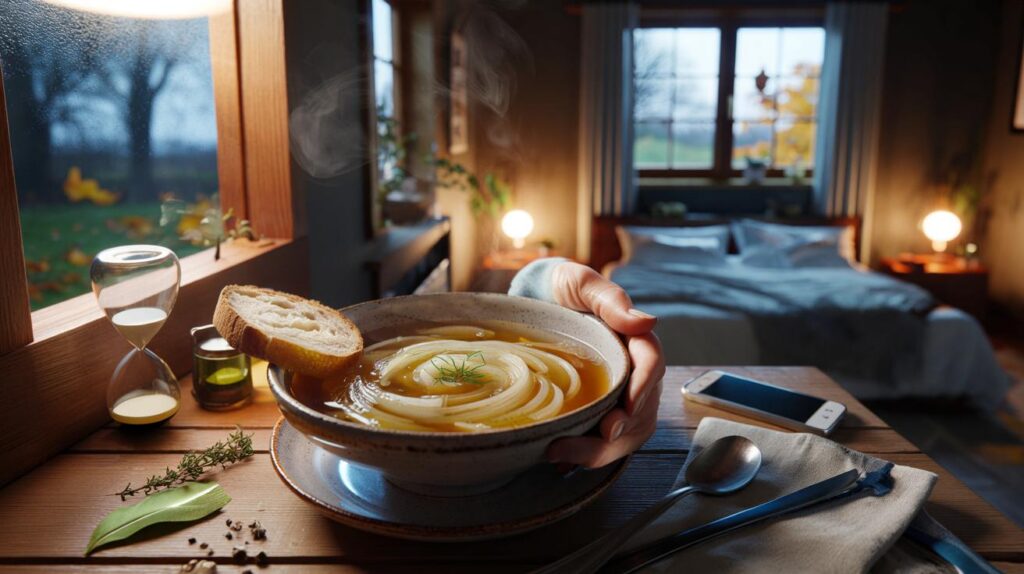
Dark evenings creep in, and with them come restless hours, heavy eyelids at noon, and a quiet dread of bedtime.
The shift to colder, shorter days unsettles the body clock and frays nerves. A simple, warming supper may help reset the pattern, and one humble pantry staple keeps surfacing as a reliable ally when the night feels long.
Why autumn nights unravel your sleep
As daylight shrinks, your brain gets weaker light cues. That muddles melatonin timing and delays the urge to drift off. Central heating dries the air, late emails light up the cortex, and heavy dinners ask your gut to graft when it wants to idle. The result is choppy rest and slow starts.
What your body clock asks for after the clocks change
- Morning light within 30 minutes of waking to anchor melatonin and cortisol rhythms.
- Dinner 2 to 3 hours before bed to free the gut for night-time repair.
- Warmth followed by a gentle cool-down: a hot bowl now, a cooler bedroom later.
- Evening carbs paired with fibre to calm the nervous system without a sugar spike.
The brain responds to two powerful evening signals: softer light and a steady trickle of complex carbs. Use both.
The comforting dish making a comeback: slow onion soup
How onions, carbs and warmth nudge serotonin
Onions carry gentle sulphur compounds and small amounts of magnesium. They also pack prebiotic fibres that feed gut bacteria linked to calmer mood. When you pair them with complex carbohydrates, tryptophan competes better to enter the brain, supporting serotonin, the chemical that paves the way for melatonin later on. A warm, savoury bowl also raises core temperature slightly; as it falls over the next hour, sleep pressure rises.
Low and slow beats fast and scorched: gentle heat coaxes out aromas and keeps those soothing compounds intact.
Ingredients and method that keep nerves settled
- 700 g yellow onions, thinly sliced
- 1 litre unsalted vegetable stock or water
- 1 tablespoon extra-virgin olive oil
- 2 bay leaves and a small sprig of thyme
- A good pinch of unrefined sea salt, plus black pepper
- 4 slices wholemeal bread (optional)
- 60 g grated Emmental or a mild British hard cheese (optional)
Cook, pause, reheat: that simple three-step rhythm unlocks a rounder flavour and a more relaxing bowl.
Turn dinner into a sleep cue
Shape a 30-minute ritual that winds you down
Rituals tell the brain it can stand down. Dim lamps, silence notifications, and lay the table with intention. Eat slowly. Breathe out longer than you breathe in. Finish the meal with a small herbal infusion such as chamomile or lemon verbena if you like a soft landing.
- Switch screens off 60 to 90 minutes before bed.
- Serve modest portions and aim for gentle fullness, not a stretch.
- Hold the warm bowl for a few seconds before the first spoonful to ease muscle tension.
Repeat the same cues—light, warmth, pace—night after night and your nervous system will start anticipating sleep.
Common mistakes that keep you wired
Kitchen habits that blunt onion’s calming edge
- Rushing on high heat: browning brings bitterness and can irritate digestion late at night.
- Overloading animal fat: heaviness slows gastric emptying and may trigger reflux when you lie down.
- Relying on salty stock cubes: hidden additives and excess sodium can leave you thirsty and restless.
- Over-salting: taste first after the rest phase; the flavour will have concentrated.
Evening foods that jolt the system
- Red meat late at night, which lingers in the stomach.
- Ultra-spicy dishes that raise core temperature and excite nerves.
- Sugary desserts that spike blood glucose, then crash.
- Caffeine after 3 pm and alcohol within 2 hours of bedtime.
What the research suggests
Evidence threads to watch
Studies link shorter daylight and screen exposure at night to delayed melatonin and longer sleep latency. Trials show that evening complex carbohydrates can shorten the time it takes to fall asleep compared with high-fat meals. Prebiotic fibres appear to shape the gut–brain axis in ways that support stress resilience. Warm foods at night cause a small rise in core temperature followed by a natural drop, which aligns with the body’s sleep onset process. No single bowl fixes chronic sleep disorders, yet the pattern—a light, warm, carb-forward supper eaten calmly—has a plausible mechanism and a track record in real kitchens.
Track three metrics for 7 nights: minutes to fall asleep, number of wake-ups, and a 1–10 morning freshness score.
Try the 7-night onion soup reset
| Night | Action | Why it helps |
|---|---|---|
| 1 | Cook the soup gently and rest it; eat 2 hours before bed. | Establishes timing and temperature cues. |
| 2–3 | Repeat; add 15 minutes of morning light exposure. | Anchors circadian signals at both ends of the day. |
| 4 | Make the gratin version; keep portion modest. | Comfort without heaviness reinforces calm. |
| 5–6 | Pair with a small salad of leaves and walnuts. | Fibre and magnesium support a steady mood. |
| 7 | Assess your three metrics and adjust timing by 15 minutes. | Tuning the window can shave minutes off sleep latency. |
Who should take care
When onions don’t love you back
If you follow a low-FODMAP plan for IBS, onions can trigger bloating. Use infused oil for flavour and swap in the green tops of leeks or fennel for a gentler bowl. If you live with reflux, skip the gratin and avoid eating within three hours of bedtime. On a low-sodium diet, keep cheese optional and season with herbs and pepper instead.
Ways to keep the routine fresh
Small twists and smart pairings
- Stir through a spoon of pearled barley or a slice of wholemeal sourdough for slow-release carbs.
- Add a few sliced mushrooms in the final simmer for extra savoury depth.
- Finish with a pinch of nutmeg or a splash of cider vinegar to brighten without salt.
- For protein, add a soft-poached egg to each bowl rather than heavy meats.
Daytime anchors magnify the effect at night. Keep caffeine to the morning, take a brisk 10-minute walk after lunch, and aim for a bedroom temperature around 17–19°C. If stress runs high, a 4–6 breathing pattern for five minutes after supper lowers arousal. Magnesium-rich foods—pumpkin seeds, almonds, cocoa powder—during the day can round out the picture without the need for supplements.



Interesting read, but is there any peer-reviewed data showing that onion soup (specifically) reduces sleep latency, beyond the general effects of evening carbs and light hygiene? Correlation vs causation feels fuzzy here.
So my nana was a sleep hacker all along—slow onions, dim lights, and an early dinner. Guess grandma knew before the biohack bros.