
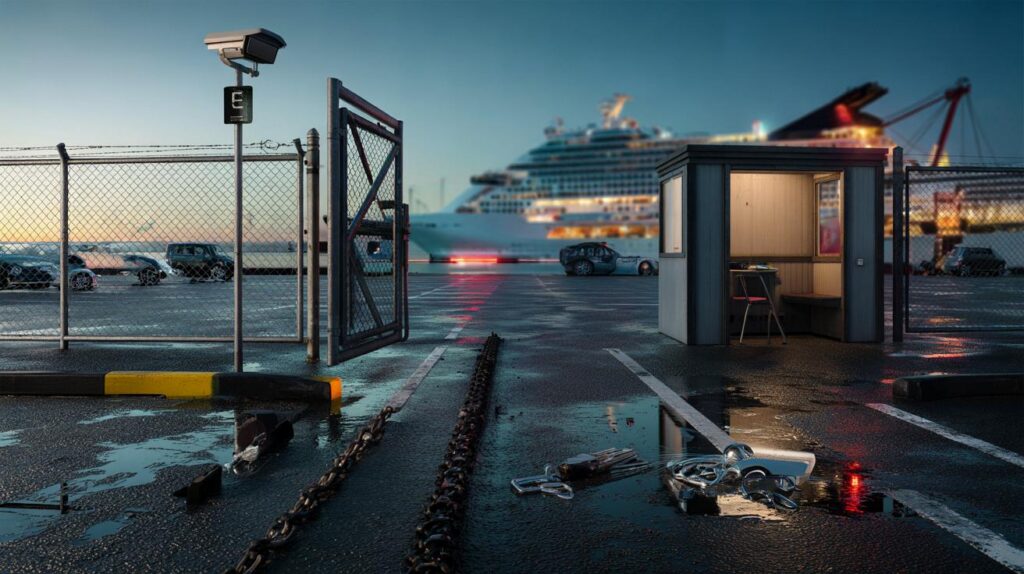
Cruise passengers returned to unsettling scenes at a Southampton car park, raising fresh questions about security, promises and responsibility.
Police have launched a probe after vehicles disappeared from a commercial parking site used by cruise-goers, with owners left stranded and searching for answers. The incident has put a spotlight on how secure paid “park and sail” services really are — and what protections customers can expect when something goes wrong.
What police say
Officers from Hampshire Constabulary are investigating reports that multiple vehicles were taken from a compound on First Avenue in Millbrook, close to Southampton’s cruise terminals. The thefts are understood to have occurred across a narrow window between Monday 9 September and Tuesday 10 September.
Police are investigating the disappearance of 17 vehicles from a First Avenue cruise parking compound between 9 and 10 September, reference 44250409694.
Detectives urged anyone who saw suspicious activity, dashcam footage from the area, or unusual vehicle movements to come forward. Information can be shared directly with the force, quoting the reference number above. Those who prefer to remain anonymous can contact Crimestoppers on 0800 555 111.
Information to share? Call Hampshire Constabulary with reference 44250409694, or ring Crimestoppers anonymously on 0800 555 111.
The car park and the timeline
The compound forms part of a site used by Southampton Cruise Parking Services, which handles vehicles while customers embark on cruises from the port. The unit sits off First Avenue, in the Millbrook area. Investigators are examining how thieves accessed the location and removed so many vehicles within such a short timeframe.
| Detail | Information |
|---|---|
| Date range | 9–10 September |
| Location | First Avenue, Millbrook, Southampton |
| Operator | Southampton Cruise Parking Services |
| Vehicles reported missing | 17 |
| Police reference | 44250409694 |
At the entrance, signs warn drivers that vehicles and their contents are left at the owner’s risk, while other signage claims the site operates “24-hour surveillance”. Both statements now face scrutiny from customers who believed paid storage meant active protection.
On-site signs state “under 24 hour surveillance” and warn that all vehicles and contents are left at owners’ sole risk.
What the parking company faces
Southampton Cruise Parking Services has been approached for comment. Customers will want clarity on security protocols, staffing levels, camera coverage, and how keys and vehicle movements are logged. In incidents of this scale, operators typically review access control, contractor vetting, and whether alarms or monitoring generated alerts at the time.
Why this matters for cruise passengers
Southampton ranks among the UK’s busiest cruise hubs, serving large numbers of travellers each year. Many customers book long-stay parking, often handing over keys and trusting a meet-and-greet or valet-style handover before boarding. The model relies on robust controls. When those controls fail, the consequences are immediate and deeply personal: loss of transport, disruption to work and family plans, and the long, administrative slog of insurance, claims and replacement.
What you can do now
- If your vehicle is affected, report it to police with the reference number and notify your insurer immediately.
- Gather your booking confirmation, receipts, photos of your vehicle, and any communications with the operator.
- Ask the operator for CCTV retention periods and to preserve footage that shows your vehicle’s arrival and departure.
- Request a copy of the operator’s incident report, including key logs and staff access records.
- If you paid by credit card, consider Section 75 protections or a chargeback where appropriate.
- Change any linked digital keys or app access if your car supports remote unlocking or starting.
Insurance and liability
Most comprehensive motor policies cover theft, subject to excesses and conditions such as key control and proof of secure storage. Insurers often ask whether keys were surrendered, where the car was kept, and whether trackers or immobilisers were active. A site’s “owner’s risk” notice does not automatically cancel the operator’s legal responsibilities. Businesses still owe a duty of care, particularly if they take keys, move vehicles, or advertise surveillance and security.
If an operator holds your keys, insurers sometimes scrutinise key-handling practices: who had access, how keys were stored, and whether staff or contractors followed check-in and check-out processes. Where negligence is proven, recovery may be sought from the operator or its insurer. Customers should ask for the operator’s insurance details and claims procedure in writing.
Security gaps to watch for
Large compounds near ports attract organised thieves who look for predictable patterns: overnight lulls, staff shift changes, and vehicles parked for weeks at a time. Criminals may exploit gaps in fencing, blind spots in cameras, or weaknesses in gate controls. Where keys are stored on-site, a single breach can expose dozens of cars.
Questions the operator should answer
- Did cameras capture the entry and exit of the missing vehicles, and were number plate recognition systems active?
- Who had custody of keys for each vehicle, and how were those keys stored and audited?
- Were alarms triggered, and if so, when and how did staff respond?
- What checks occurred at handover, including photographing vehicles and logging mileage?
- How quickly were customers notified once the issue was identified?
Choosing safer cruise parking next time
You can reduce risk without spending a fortune. Look for enclosed compounds with monitored access, visible patrols, and audited key rooms. Ask operators specific questions before you book, and judge them by the quality of their answers rather than glossy claims.
- Request proof of CCTV coverage, including how long footage is kept and whether staff monitor it live.
- Ask if keys stay on-site and how they are secured. A sealed key bag handed back on collection adds reassurance.
- Favour operators that photograph your car on arrival and share a digital condition report.
- Use steering locks and, if fitted, enable tracking. Share your tracker ID with police if the worst happens.
- Consider on-port parking or reputable park-and-ride services with clear, published security standards.
For long trips, a simple calculation helps: weigh the daily cost difference between premium on-terminal parking and off-site valet storage against the potential hassle, excess payments, and time if something goes wrong. Spending a little more for better controls can make sense for high-value vehicles or tight schedules.
If you’re already booked to sail soon, build an extra 20 minutes into your arrival to photograph your vehicle, record the mileage, and note where it’s stored. Keep a copy of the contract terms and the emergency number for the operator. These basic steps make claims smoother and give you firmer ground if you need to challenge poor practices.



‘24-hour surveillance’ yet 17 cars gone overnight? That’s not securty, that’s a slogan. Who’s accountable—operator or their insurer?