
If your greens keep landing limp and grey, a beloved TV cook’s shortcut is quietly rewriting what happens on British hobs.
Mary Berry urges home cooks to ditch the saucepan and use a hot pan instead, teasing sweetness from broccoli and cauliflower with less time and less fuss.
Why boiling lets you down
Boiling floods brassicas with water. Florets take on liquid, soften too far and shed flavour into the pan. Natural sugars wash away. That’s why the colour fades and the aroma turns sulphurous. Vitamins leach into the cooking water. Vitamin C is especially vulnerable to heat and water.
Texture suffers first. Stems go stringy. Tops turn mushy. By the time the centre is tender, the outer bits are past their best. Seasoning struggles to stick to wet surfaces, so salt and spices taste muted.
Swap water for heat and oil: you keep crunch, you keep sweetness, and you keep more of what you paid for.
What Mary Berry actually does
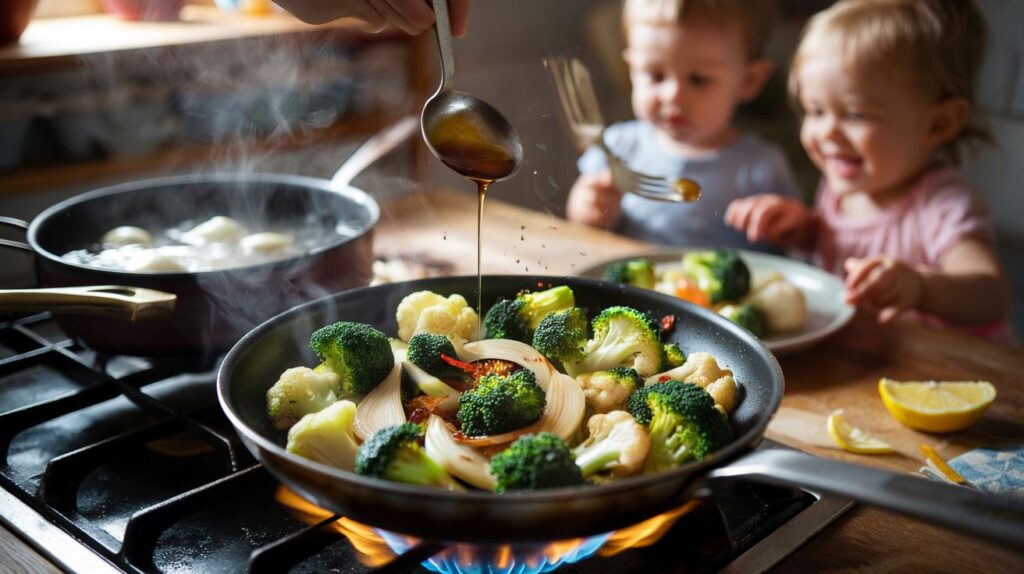
Berry champions a fast stir-fry in olive oil. High heat hits the florets. Edges brown. Centres stay bright. A brief covered spell finishes the cook without drenching the veg. A drizzle of honey at the end balances brassica bitterness. Garlic and shallot add depth in minutes.
Mary Berry–style method in brief
- Cut 250 g broccoli and 350 g cauliflower into small florets for even cooking.
- Heat 2 tablespoons olive oil in a large frying pan or wok until shimmering.
- Fry 2 finely sliced banana shallots for 2–3 minutes to sweeten the base.
- Add florets with 2 crushed garlic cloves. Toss hard for 2–3 minutes to brown.
- Lid on for 2–3 minutes on low to steam through. Lid off, finish until edges crisp.
- Season with salt, pepper and chilli flakes. Glaze with 2 teaspoons runny honey.
Aim for bronzed tips and a firm bite. If the pan looks crowded, cook in two quick batches.
The flavour science in 90 seconds
Dry heat unlocks flavour. Browning reactions build nutty, savoury notes on the florets. A tiny glaze adds contrast. Oil carries aromatics so garlic and shallot perfume the pan rather than stewing. Moisture control is key. Less water in the pan means more space for browning and better uptake of seasoning.
Nutrition, time and energy: the numbers
Shorter, drier cooks can help more nutrients stay on the plate. Research shows water-based methods can drain vitamin C from brassicas. Quick pan-cooking limits that loss. The clock and the meter benefit too.
| Method | Time on hob | Texture | Vitamin C retained (approx.) | Energy use (approx.) |
|---|---|---|---|---|
| Boiling | 8–10 minutes | Soft, waterlogged | Often under 50% | Higher, water needs heating |
| Stir-fry + brief steam | 5–7 minutes | Crisp-tender, caramelised edges | Up to c. 70% (varies) | Lower, less time and water |
The figures vary with pan size, heat and cut size. The direction remains clear. Less water and less time mean more nutrients and more flavour.
Five seasoning paths for tonight
- Honey, chilli and lemon: glaze with honey, finish with lemon zest and a pinch of chilli flakes.
- Garlic and capers: add capers in the final minute and finish with a squeeze of lemon.
- Anchovy and parsley: melt two anchovy fillets into the oil, toss with chopped parsley.
- Curry spice: toast cumin and turmeric in the oil, add a spoon of yoghurt at the end.
- Sesame and miso: stir in a teaspoon of white miso and finish with toasted sesame seeds.
Common pitfalls and quick fixes
- Overcrowding the pan: cook in batches so steam can escape and edges brown.
- Starting cold: wait for oil to shimmer before adding veg for instant sizzle.
- Cutting huge florets: smaller pieces brown faster and cook evenly.
- Skipping salt: season early and late to sharpen sweetness and keep bite.
- Forgetting acidity: a squeeze of lemon or a splash of vinegar brightens brassicas.
Shopping and prep that pays off
Choose dense, tight heads. Stalks should feel firm, not spongy. Keep the stalks; peel tough outer layers and slice them thin. They brown beautifully and taste sweet in the pan. Dry the veg well after washing. Surface water stalls browning and dilutes flavours.
What this means for busy households
Speed matters on weeknights. A three-minute sear plus a short steam hits the table faster than a pot coming to the boil. A touch of honey coaxes sceptical eaters. Keep chilli optional and on the side. Leftovers slip into tomorrow’s omelette, grain bowls or packed lunches.
Cost and smart swaps
One tablespoon of oil adds roughly 15p. Two cloves of garlic add about 5p. A teaspoon of honey adds around 3p. Use sunflower oil if olive oil runs low. Swap shallots for half a small onion. Frozen florets work; defrost on kitchen paper and pan-dry for a minute before browning.
Food safety and storage
Cool leftovers within an hour. Refrigerate in a lidded container for up to two days. Reheat in a hot pan to restore crisp edges. Avoid microwaving in a covered bowl for too long, as steam will soften the bite you worked to keep.
If you still prefer boiling
Salt the water generously and keep the clock tight. Two to three minutes for small florets often suffices. Drain well. Toss with oil, lemon and seasoning straight away to cut wateriness. You can also blanch for 90 seconds, then finish in a hot pan for colour and flavour.
A quick template you can memorise
- Heat pan until oil shimmers.
- Brown aromatics for 2 minutes.
- Toss florets hard for 2–3 minutes.
- Cover 2 minutes to finish.
- Uncover, crisp, then glaze and season.
This small shift moves broccoli and cauliflower from side-line to centre-plate. You spend less time, you spend less energy, and you serve veg with character. If you fancy more crunch, extend the uncovered finish by 60 seconds. If you crave a softer centre, add a tablespoon of water before lidding. Keep the method, tune the details, and supper starts to look brighter.



Cooked it tonite—edges bronzed, centers bright, and the honey glaze was subtle. Thanks, this is going into rotation!
40% more nutrients sounds great, but do you have a source for the numbers? Especially the vitamin C retention—varies a lot with cut size and heat.