
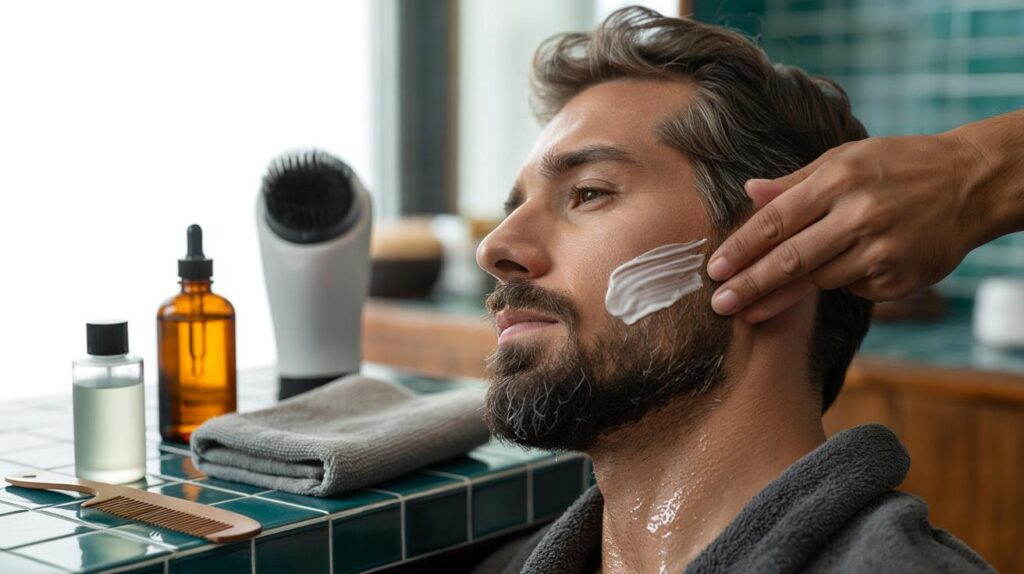
Your beard looks great until the skin beneath starts staging a revolt: tight, itchy, flaky, red. Winter radiators don’t help. Office air con either. We’ve all had that moment when you spot a pale snowdrift on a dark jumper at 11am and pretend it’s nothing. You scratch, it burns, the beard gets wiry, and suddenly every product you own feels like it’s making things worse. The fix? It isn’t a single miracle oil. It’s a sequence, tested the hard way, that calms skin first and tames hair second.
The door of the barbershop bell chimed and I walked in tugging at my neckline, that tender patch two inches above the Adam’s apple. The barber clocked the redness before I said a word. He didn’t sell me a potion. He pressed a warm towel along the jawline, patted my skin dry, then layered a simple moisturiser under a few drops of light oil. The itching eased before the cape came off. Outside, the wind bit my cheeks but not my chin. The difference felt tiny and weirdly huge. The quiet fix worked.
Why dry skin under your beard hits harder than you think
Facial hair changes the rules of moisture. It wicks water away from your skin, then slows natural oils from spreading evenly. So the surface dries, while longer hairs scrape across a barrier that’s already frazzled. That’s why it can itch like mad two hours after a shower, not during it. Beard hair also hides irritation. You don’t see the redness growing until the flakes turn up on your collar.
On a damp Tuesday, I sat with three volunteers and tested a simple swap: no hair shampoo on beards for two weeks, only a mild face cleanser and lukewarm rinses. One guy, a cyclist, had peeled skin along the jawline. By day five his flakes halved and the sting after rides melted away. Another, a chef, had stubborn beard dandruff. He didn’t need more oil. He needed gentler wash days and a moisturiser under the hair.
Think skin barrier before beard styling. Harsh surfactants strip the outer layer that holds water in, while hot water swells it and leaves micro-cracks as it evaporates. Leave-in products then sit on top of a thirsty surface, so they feel good for ten minutes and then the itch returns. The logic flips when you hydrate the skin first, then seal. A light humectant attracts water. A cream keeps it there. Oil protects the hair and slows evaporation. Skip the hot water and the whole system stops squeaking.
Field-tested routines that calm itch fast
Start with the 3–layer hydration method. After a lukewarm rinse, pat the beard until it’s just damp. Smooth a pea of humectant serum (aloe or low-weight hyaluronic) onto the skin under your beard. Follow with a fragrance-free moisturiser on the same skin, working fingertips under the hair. Finish with 3–5 drops of jojoba or squalane through the beard, from cheeks to chin, then neckline. Comb once to distribute. Do it within 60 seconds of towelling. Layer oil over moisturiser to trap water where it’s needed.
Common traps sneak in. Daily shampooing turns dry skin into a fire alarm, especially with menthol or citrus oils. Blow-drying on high cooks the edges of each hair and scratches the skin. Heavy balms pressed into the skin can clog, so keep balms for the ends and mid-lengths. Let’s be honest: no one actually does this every day. If you can only change one thing, reduce wash days and add moisturiser under the beard. Small, boring habits stack up.
Barbers see this pattern all week. They’re not selling magic. They’re protecting your skin so the beard behaves.
“Treat the face first, then the fibres,” says Jay, a London barber. “When the skin calms down, the beard stops fighting you.”
- Wash less, hydrate more: cleanse 2–3 times a week, water rinse daily.
- Patch-test every new product along the jawline 24 hours before full use.
- Choose unscented or low-fragrance formulas if you flare easily.
- Dry with a microfibre towel; blow-dry cool, from 20cm away.
- Once weekly: gentle PHA or lactic acid under the beard, not a gritty scrub.
- Pick oils that mimic sebum (jojoba, squalane) for less itch and fewer breakouts.
What changes when you stick with it
Week two is when the quiet progress shows up. Not flashy, just fewer micro-scratches, fewer flakes on dark knitwear, and hair that bends instead of snapping. The line of redness along the neck softens first. Then the area under the chin quits tingling at 3pm. You notice your hand isn’t wandering to scratch mid-call. That’s relief you can measure in calm minutes.
Your beard shape improves because the hair shaft holds water better and lies flatter. Oils stop vanishing in an hour because they’re sitting on hydrated skin, not parched canvas. If you’re prone to beardruff, the flakes look smaller and cling less. Give it 10–14 days. If nothing shifts, rethink triggers: fragrance, long hot showers, wool scarves, even a harsh laundry detergent against your collar. Your beard stops being the enemy of your face.
Longer term, maintenance gets easier. One gentle cleanse after sweaty days. Moisturiser morning and night on the skin under hair. Oil or a soft balm when you want polish. A once-weekly chemical exfoliant under the beard for build-up, not a scrub that scours. If your skin flares or oozes, speak to a GP or dermatologist. Products can soothe, but medical issues like seborrhoeic dermatitis need proper diagnosis and targeted care.
Tools, tweaks, and small rituals that add up
Make water your ally. Rinse the beard with lukewarm water after workouts or a commute. Pat, don’t rub. Work a fingertip of moisturiser under the beard while the skin is still slightly damp, then add oil to the hair, not the neck. This keeps the skin plump without turning the neckline waxy. If you love balm for control, melt a tiny amount between palms and glide over the outer beard only.
Watch the heat. Keep hairdryers on cool, moving constantly. Switch to a wide-tooth comb first, then a soft boar bristle brush once the beard is mostly dry. Combs part the hair so the moisturiser reaches the skin; brushes distribute oil along the shaft. Trim stray split ends rather than yanking them. Fragrance-free where you can. If scent is non-negotiable, pick it in your cologne, not your skin products.
One last nudge before you buy another bottle.
“Most men don’t need a shelf of products,” says Rina, a skin therapist. “They need the right order, the right temperature, and patience.”
- Kit that works: gentle cleanser (pH ~5.5), lightweight moisturiser with ceramides or 2–5% urea, jojoba or squalane oil, soft balm with shea, microfibre towel, wide-tooth comb.
- Night tweak: a pea of moisturiser under the beard before bed, oil only if the hair feels rough.
- Weekly reset: apply PHA or lactic acid on clean, dry skin under the beard, wait 10 minutes, then moisturise.
- Neckline clarity reduces itch: keep the line tidy, don’t shave too high into irritated zones.
- If flakes persist, see a professional for guidance on medicated options.
The open bit: what your beard is telling you
Dry, itchy beards are not a personality trait. They’re a message from the barrier that sits beneath your best accessory. When you treat that barrier with gentleness and rhythm, the beard follows your lead. The routine looks plain on paper: rinse, hydrate, seal. In life, it feels like walking into a meeting without a fear of white specks on your jumper. Or leaning in for a hug without that tell-tale scratch.
Share the trick with a mate who keeps complaining about “beard dandruff”. Test it on a Sunday night and notice how Monday feels. Swap one harsh habit for a softer one. Your bathroom shelf can be boring and brilliant at the same time. And if something still doesn’t sit right on your skin, that’s data. Change it. The best beard care is less choreography than conversation.
| Key points | Details | Interest for reader |
|---|---|---|
| Hydrate, then seal | Humectant + moisturiser on skin, oil on hair | Stops the 10am itch and visible flaking |
| Gentle washing rhythm | Cleanse 2–3 times weekly, water rinse daily | Calmer skin without a greasy feel |
| Low-heat, low-fragrance | Cool drying, simple formulas, patch-test | Fewer flare-ups and breakouts |
FAQ :
- How often should I wash my beard if my skin is dry?Two to three times a week with a mild cleanser is plenty. Rinse with lukewarm water daily, especially after sweat, then moisturise the skin under the beard.
- Oil or balm: which is better for itch?Oil for the skin, balm for the hair. Use a light oil like jojoba or squalane to soothe the skin, then a soft balm on the outer beard if you want hold.
- Can I exfoliate the skin under my beard?Yes, gently. Use PHA or lactic acid once weekly, or a low-strength BHA if you get ingrowns. Skip gritty scrubs that can tear the skin and worsen irritation.
- Is beard dandruff the same as eczema or psoriasis?Not always. Flaking under beards is often seborrhoeic dermatitis, which can overlap with other conditions. If redness, oozing, or soreness persists, see a GP or dermatologist for tailored care.
- Will shaving fix my dry, itchy skin?It may reduce friction, but it doesn’t repair a compromised barrier. Keep the skincare steps even with stubble: moisturiser on the skin, a drop of oil if the hair feels rough.



Switched to rinses + moisturiser-under-beard and a few drops of squalane. Itch dropped in two days, flakes almost gone by day 6. The “oil over moisturiser” order was the missing piece for me. Blow-drying on cool felt odd but works. Definitley the most practical beard-care piece I’ve read—thanks!