
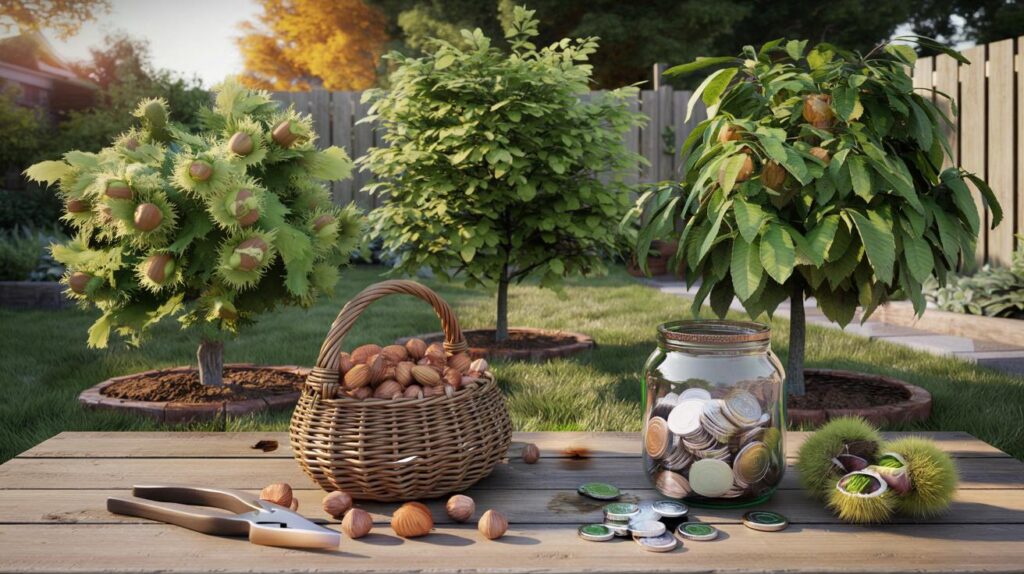
As prices climb and gardens shrink, many Britons want low-fuss plants that feed families, cool patios and lift spirits.
You don’t need a smallholding or a hosepipe on standby to bank reliable, edible harvests. Three tough nut trees — hazel, almond and sweet chestnut — can put snacks, bakes and winter comfort within easy reach, while asking very little back from you.
Why three nut trees change the maths at home
Hazel, almond and chestnut thrive while you get on with life
These trees suit busy lives. They tolerate uneven weather, irregular watering and ordinary soils. They root deeply, stabilise ground and throw cooling shade in summer. They also bring pollinators, birds and beneficial insects into the garden.
Hazel copes with partial shade and wind. Almond prefers a warm, sheltered spot but shrugs off dry spells once established. Sweet chestnut likes deep, reasonably drained ground and grows strongly across much of the UK, except on thin chalk. Most years, they carry on without sprays or weekly tinkering.
Plant once in autumn, let winter do the watering, and expect your first handfuls in year three or four.
What you can realistically harvest and save
Numbers help. From mature plants in decent conditions, typical home yields look like this:
- Hazel (a multi-stem shrub): 2–4 kg in-shell per year, often more in good summers.
- Almond (self-fertile types available): 1.5–3 kg in-shell in mild regions; less in cold springs.
- Sweet chestnut (a small tree): 10–25 kg fresh nuts once established.
At current high-street prices — hazelnuts £10–£15/kg shelled, almonds £12–£20/kg shelled, chestnuts £3–£6/kg fresh — even modest crops can offset £120–£200 a year in snacks, baking and festive roasting. You also control freshness, varieties and storage.
One weekend to plant can return nut harvests for decades, with costs often recouped by the third or fourth season.
Choose well and plant once
Varieties that suit British weather
Match the tree to your site. You’ll reduce fuss and increase your odds of full bowls by October.
- Hazel: ‘Ennis’ for large, tasty nuts; ‘Merveille de Bollwiller’ (a classic cobnut) for robustness; plant two different cultivars for better pollination.
- Almond: ‘Aï’ and ‘Princesse’ for milder districts; ‘Robijn’ or ‘Ingrid’ are often used in cooler gardens; choose the warmest, most sheltered corner you have.
- Sweet chestnut: ‘Marron de Lyon’ for sizeable chestnuts; ‘Bouche de Bétizac’ for reliable, flavoursome crops; aim for non-calcareous soils.
Autumn planting, simple preparation
October and November suit these trees. Cool air and damp soil reduce stress, and roots settle before summer heat arrives.
- Open a wide hole and loosen the base so roots can run.
- Mix in well-rotted compost, not fresh manure.
- Set the tree at the same depth as in its pot or nursery mark.
- Water deeply once. Mulch 5–8 cm thick to lock in moisture.
- Stake almonds and young chestnuts in windy sites; hazel often manages without.
| Tree | Spacing | Pollination | Main harvest window |
|---|---|---|---|
| Hazel | 4–6 m between plants | Best with two+ cultivars | Mid-August to September |
| Almond | 5–7 m | Self-fertile types exist; a partner helps | Late summer |
| Sweet chestnut | 6–8 m | Two trees improve set | October |
Minimal care, maximum return
Spacing, pruning and water
Give them room and they’ll repay you. Space hazel 4–6 m, chestnut 6–8 m, almond 5–7 m. Keep ground mulched to cut watering and keep weeds down. In the first two or three years, prune lightly — remove damaged wood and crossing shoots. You don’t need fancy shaping. Once established, water only in long dry spells.
Prevention that takes minutes
Protect young trunks with mesh to deter rabbits and voles. In wet springs, a copper-based spray at almond bud-break can limit leaf curl; many gardeners skip it in dry years. Keep soil free-draining to avoid sulky roots. A winter check, a spring glance, and a summer top-up of mulch often suffices.
From first nuts to the biscuit tin
When they ripen and how to handle them
Most gardens see first snacks by year three or four. Hazelnuts fall when ready; shake branches and gather from the ground. Dry in trays indoors for two to three weeks, then store cool and dark. Almonds split their hulls in late summer; knock them off gently, dry shells thoroughly and crack on demand. Chestnuts fall free or sit in prickly burs in October; use gloves, collect daily and refrigerate or freeze to hold sweetness.
Quick ways to use the glut
- Roast hazelnuts for salads, granola and pesto swaps.
- Almond frangipane or a simple almond butter for toast and porridge.
- Chestnuts pan-roasted with thyme, folded into soups or blitzed into puree for desserts.
- Trade surplus bowls with neighbours for apples, eggs or herbs.
Extra tips that stretch value
Small gardens and hedges
No space for a chestnut? Run a hazel as a productive hedge. Coppice every few years to keep height in check and harvest new, fruitful stems. Seek compact almonds on dwarfing rootstock for patios, trained as fans against a sunny wall.
Pollination and early yield boosts
Hazel and chestnut set more nuts with pollen from a second cultivar. If space is tight, persuade a neighbour to plant a companion tree. For almonds, choose a self-fertile variety but expect bigger crops with a partner close by. A single spring top-dressing of compost beneath the mulch can lift early yields without fuss.
Pests, weather and what to watch
Squirrels love hazelnuts; pick daily as they ripen and consider simple tree guards. Late frosts can nip almond blossom; fleece small trees overnight during cold snaps. Chestnut blight is uncommon in Britain but choose reputable stock and avoid unnecessary wounds. If Asian chestnut gall wasp appears in your area, prune out galls early and bin them.
Money, time and how it adds up
A pair of hazels and one chestnut or almond often costs less than a family food shop. The planting job fits neatly into one weekend, including a trip for compost and stakes. After that, you mostly mulch, gather and enjoy. Even a conservative crop can replace a couple of shop-bought bags each month and anchor festive treats without the premium price tag.



£150 saved sounds optimistic—are you calculating on shelled prices and typical yields, or best-case harvests? Also, what’s the payback if late frosts hit almonds two years running? Curious before I dig holes and then feed the local squirrel union.