
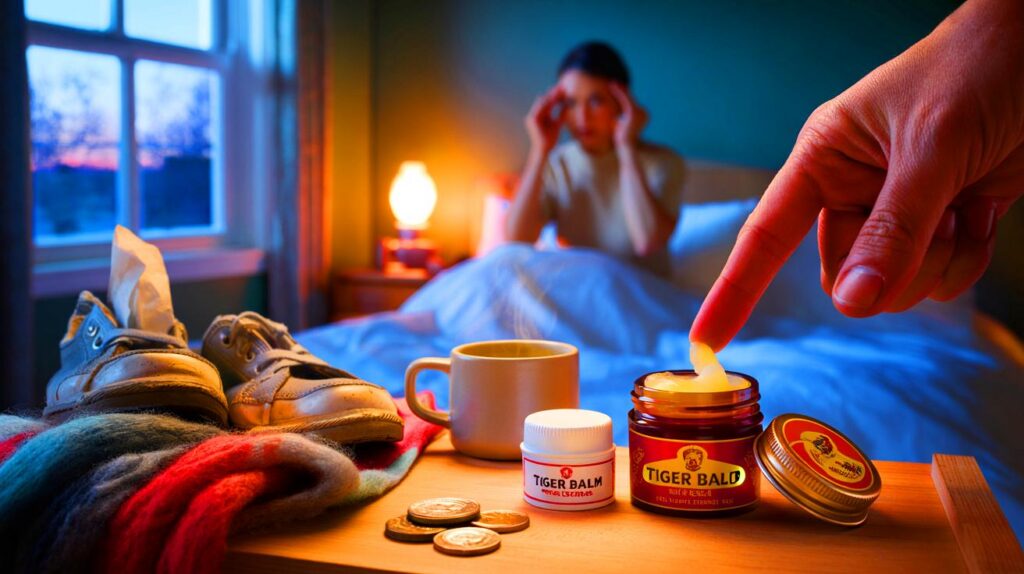
A tiny mint-scented jar from your nan’s cupboard is quietly returning to handbags as temperatures drop across Britain this month.
With energy bills biting and pharmacy baskets swelling, households are turning to old-school multitaskers that punch above their price. One familiar tin has reappeared on bedside tables and gloveboxes alike, promising fast comfort and fewer impulse buys.
A winter staple with a 150-year backstory
Born in the 1870s in Burma, this menthol-and-camphor rub travelled through generations under a feline name and a simple idea: warm, cool, soothe. The classic formula blends menthol and camphor with essential oils such as cajeput, clove and peppermint in a petrolatum base. Many Britons keep both the white version, which cools, and the red version, which feels warmer and can mark light fabrics.
What sits inside the tiny jar
Menthol delivers a cooling hit that distracts from discomfort. Camphor adds warmth and a distinctive aroma. Together, they create a tingling sensation on skin that can help people feel relief from tension, mild aches and stuffy noses.
Use sparingly on healthy skin, keep away from eyes and lips, avoid mucous membranes, and wash hands after applying.
11 clever uses you can try today
Below are practical ideas people rely on as temperatures fall. Each tip stays small in dose, targeted in placement and mindful of sensitive skin.
Children under 10, pregnant or breastfeeding people should avoid essential-oil balms. Keep away from pets and never ingest.
Which jar for which job
| Type | Feels like | Best for | Watch out for |
|---|---|---|---|
| White balm | Cooling, minty | Temples, nose area (external), travel nausea comfort | Eyes and nostrils; use tiny amounts only |
| Red balm | Warming, spiced | Muscles, stiff necks, chilly feet | Light fabrics may stain; avoid heat pads and hot baths immediately after |
How to apply it safely
- Patch test first: place a dot on the inner forearm and wait 24 hours.
- Use a pea-sized amount for an adult area; halve that for smaller zones.
- Massage in small circles for 20–30 seconds, then stop. More is not better.
- Leave skin uncovered for 10 minutes. Do not occlude with cling film or tight socks.
- Wash hands with soap afterwards. Avoid contact lenses for at least 15 minutes.
- Do not combine with topical anti-inflammatories, exfoliating acids or retinoids on the same patch of skin.
What pharmacists say this season
High-street pharmacists point to rising demand as commuters seek quick relief for tension and sniffles. They flag common-sense limits: skip use on eczema, sunburn or cracked skin; stop immediately if you feel a burning or stinging sensation that persists; and see a clinician for persistent pain, severe headaches or chest symptoms. Camphor-containing products must be stored out of children’s reach and never used under the nose of infants.
Counterfeits exist. Look for the Singapore origin from Haw Par, intact seals, batch codes and clear labelling.
Real-world tips that save money and faff
One 19 g jar often costs under £6 in UK pharmacies and can last months because each application is small. For smelly shoes, a tissue “sachet” works better than smearing balm directly into insoles. For travel, decant a pea-sized dot into a contact-lens case and keep it in your coat pocket. For office days, apply to the back of the neck rather than the temples to avoid lingering aroma in meetings.
When to choose something else
This balm gives sensory relief, not a cure. For heavy sweating under arms, antiperspirants with aluminium salts work better. For motion sickness that derails travel, speak to a pharmacist about antihistamines such as cinnarizine. For coughs and wheeze, especially in children, seek medical advice rather than relying on aromatic rubs. People with asthma, fragrance allergies or very reactive skin may prefer an unscented heat pack or a simple cold compress.
A final word on method and risks
Keep doses small and targeted. Space applications by at least four hours and limit to three times daily. Do not use before hot yoga, saunas or intense workouts; warmth amplifies the tingle and may irritate. Never use near flames or smoking materials due to the petroleum base. If accidental eye contact happens, rinse with lukewarm water for several minutes and remove contact lenses promptly.
Keen to extend the benefits, runners often pair a light pre-run neck application with a structured warm-up to reduce perceived tightness. At home, a jar doubles as a discreet deodoriser for gym kit drawers. Used thoughtfully, that minty relic can earn a modern place in your winter routine—smaller shopping lists, fewer redundant products and a little pocket comfort when the cold bites.



Love this roundup. I always thought Tiger Balm was just for achey shoulders, but the stuffy-nose and “trainer deodoriser” tricks are genius. Under £6 and it lasts ages—my tiny jar survived an entire winter commute season. Pro tip from mum: go sparingly or the tingle gets shouty. Great timing as bills bite.
Motion sickness bit confuses me—does a dab on wrists actually do anything beyond placebo? Anyone tried it on a ferry to CalMac in rough seas?