
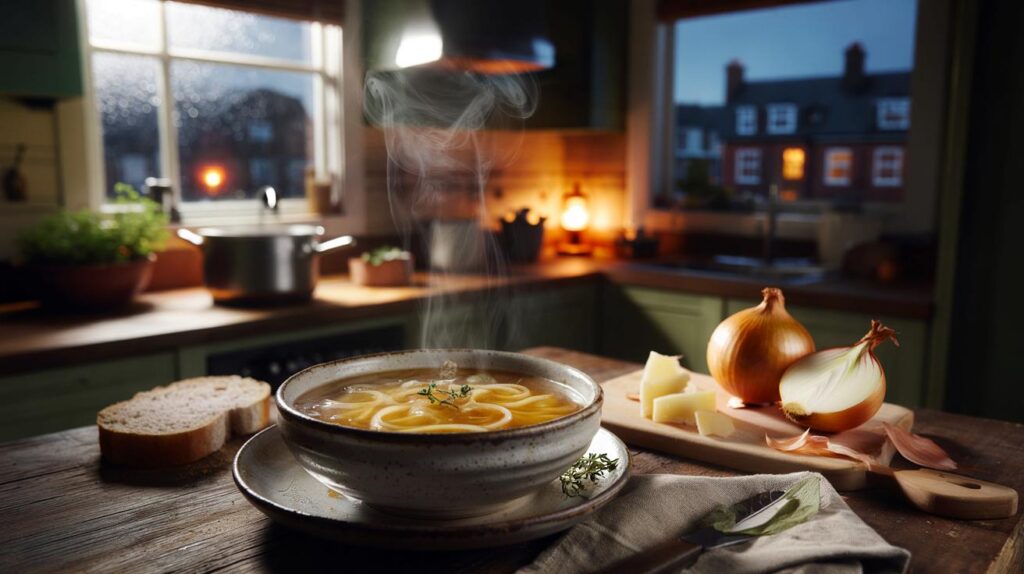
Colder nights are closing in, screens glow late, and rest feels distant. Your dinner plate may hold an overlooked lever.
Across the UK, one in three adults reports poor sleep as clocks slide back and daylight thins. The switch to longer evenings can tug at body clocks, stretch stress levels, and make bedtime feel like a battle. A small change to the evening meal, timed right and cooked gently, could move the needle on how fast you drift off and how often you wake.
Why colder months unsettle your sleep
Light, body clocks and earlier evenings
Between late August and late November, Britain loses roughly six hours of daylight. Less morning light delays the internal clock. Dusk arrives early, but the brain receives mixed signals from indoor glare. Melatonin, the hormone that cues sleep, surges later and scatters through the night. That shift can lengthen the time it takes to doze off and trigger more clock-watching at 2am.
When the clocks change, social schedules rarely follow suit. Many people keep late dinners, bright screens, and lively chatter. A restless night often begins at the table, then continues on the sofa with blue light for company.
What your plate has to do with serotonin
Evening food nudges the chemistry that guides sleep. Gentle carbohydrates help tryptophan enter the brain, priming serotonin, which paves the way to melatonin. Magnesium supports nerve relaxation and helps muscles loosen. Prebiotic fibres feed gut bacteria that produce metabolites linked to calmer stress responses. The right plate at the right time can smooth your landing into sleep.
Evening meals centred on gentle carbs and magnesium have been linked with shorter sleep latency and fewer night awakenings.
The 35p bowl with a calm-down effect
How onions’ sulphur compounds and magnesium may help
Onions carry organosulphur compounds and a modest dose of magnesium. They also deliver prebiotic fibres that support a resilient gut ecosystem. This trio matters on cold nights. The sulphur compounds and flavonoids like quercetin appear to support the body’s stress-handling pathways. Magnesium helps quieten the nervous system. Prebiotic fibres feed microbes that influence serotonin activity in the gut–brain axis. Together, they tilt the body towards restfulness.
Why slow cooking changes the outcome
Low heat transforms onions. A long, gentle sweat unlocks soft sweetness without scorching. The result is easier on digestion and kinder to night-time comfort. Slow simmering coaxes aroma molecules into the broth and softens the bite that can bother sensitive stomachs. A brief rest off the heat deepens flavour and reduces the urge to oversalt.
Low and slow is the rule: 25–30 minutes to soften, 30 minutes to simmer, then a short covered rest.
A soothing onion soup, step by step
Ingredients for four bowls
- 700 g yellow onions, thinly sliced
- 1 litre water or unsalted vegetable stock
- 1 tablespoon olive oil
- 1 generous pinch unrefined sea salt
- 2 bay leaves
- 1 small sprig thyme
- Freshly ground black pepper
- 4 slices wholegrain bread (optional)
- 60 g grated Emmental or similar (optional)
Method with timings
Budget check: using supermarket basics, this comes to roughly 35–60p per serving, with or without the cheese.
Common mistakes that blunt the soothing effect
Kitchen errors to sidestep
- Turning up the heat. Browning or burning onions adds bitterness and can irritate the gut.
- Drowning the pot in butter or cream. Heavy fats weigh on the stomach near bedtime.
- Relying on salty stock cubes. Additives and high sodium can raise thirst and night-time trips to the loo.
- Oversalting. A light hand protects blood pressure and sleep quality.
- Eating too late. Finish dinner two to three hours before lights out.
Dinner pairings to avoid after 7pm
| Choose | Skip |
|---|---|
| Onion soup with wholegrain bread | Spicy curries, hot sauces, chilli-laden dishes |
| Herbal tea (chamomile, lemon verbena) | Coffee, strong tea, energy drinks, cola |
| One small piece of fruit or a baked apple | High-sugar desserts and late-night chocolate |
| Moderate salt and no-added-sugar stock | Ultra-processed soups and salty packets |
| Water sipped early in the evening | Alcohol close to bedtime |
Turn the bowl into a bedtime signal
Create a pre-sleep ritual around the meal
Dim the lights in the kitchen and lounge. Keep screens off from the start of dinner. Lay the table simply and sit down. Focus on the aroma, warmth and texture. Eat slowly and breathe deeply between spoonfuls. Soft music can set a calmer tempo than scrolling. A cup of chamomile or lemon verbena at the end adds a gentle cue that the day is closing.
Leave two to three hours between your last spoonful and sleep. Keep caffeine to zero after 2pm.
What the research hints at
Diet, gut and the sleep switch
Studies link evening carbohydrate quality with shorter time to fall asleep. Magnesium intake associates with deeper, more stable rest in adults with low baseline intake. Prebiotic fibres, including those found in onions, have been shown to support a healthier stress response and may improve sleep continuity in some people. Onion soup aligns with these threads: gentle carbs, a warm liquid meal, modest magnesium, and prebiotics in one bowl.
Who should adjust the recipe
Onions are high in FODMAPs, which may bother some people with IBS. If you are sensitive, strain the broth and use fewer onion solids, or swap in the green tops of leeks for part of the mix. Those prone to reflux could skip the gratin and keep portions modest. For dairy-free bowls, omit cheese and add a few cubes of potato to nudge the carb balance instead.
A simple seven-night trial you can run
What to track and how to measure
- Time to fall asleep: estimate from lights out to first memory of sleep.
- Night wakings: note how many and how long they last.
- Morning energy: rate from 1 (flat) to 5 (fresh).
- Evening routine: log dinner time, light levels and screen use.
- Cost: tally spend; aim for 35–60p per serving using basics ranges.
Run the soup on three to four evenings in the week, finished at least two hours before bed. Keep other variables stable: no late coffees, a darker room, and a bedroom temperature around 17–19°C. Compare notes with non-soup nights. Small improvements add up across the darker months.
Extra tips that widen the benefits
Smart add-ons and gentle alternatives
Add a fist-sized serving of wholegrain bread only if you feel hungry. Too much bulk near bedtime can unsettle light sleepers. If you fancy variety, rotate with carrot and fennel soup or a potato–leek broth cooked the same low-and-slow way. Batch-cook on Sunday, refrigerate safely for three days, and reheat once for best taste.
For a fuller reset, combine the soup habit with morning light. Ten to fifteen minutes of outdoor light soon after waking helps anchor your body clock. The morning light sets the timer on the evening melatonin rise. That, paired with a calm, warm bowl at night, gives your week the best chance of smoother, quieter sleep.



23 minutes faster sounds oddly precise—was that from a controlled study or a small pilot? Onions are high FODMAP; for IBS folks this could backfire at 2am. Any caveats on portion size or magnesuim content?