
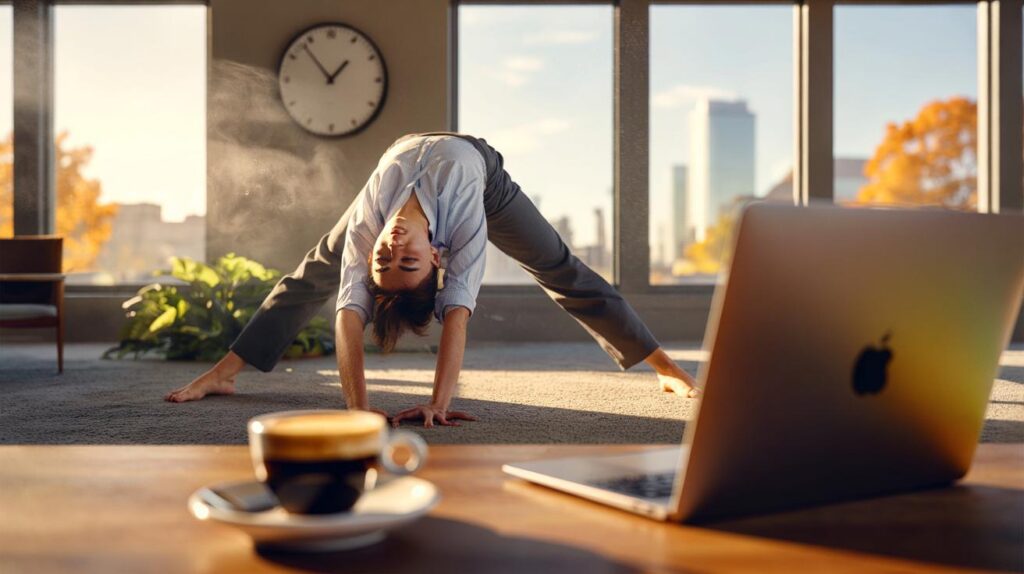
Mid-afternoon slumps hit harder in autumn, as shorter days, stuffy offices and heavy lunches sap focus and lift for many workers.
Across the country, a growing number of office staff are swapping the 3pm coffee for a 10-minute movement break that restores clarity, steadies mood and keeps the evening on track.
Why movement beats coffee at 3pm
A brisk burst of activity increases blood flow, raises oxygen delivery and nudges the nervous system into a more alert state. You feel warmer, your eyes sharpen and thoughts line up. Unlike caffeine, short movement breaks do not push up bedtime or trigger a rebound dip later on.
Ten minutes of targeted movement can sharpen attention faster than a double espresso, without the jitters or the crash.
Short daylight and longer desk hours make October and November prime time for energy dips. A quick mobilisation uses what your body already has: lungs, muscles and gravity. The effect starts within minutes because breathing deepens, heart rate lifts slightly and circulation clears mental cobwebs.
What happens in your brain within two minutes
Gentle inversions and steady breathing increase cerebral blood flow, which brightens reaction time and working memory. Muscles activate across the shoulders, back and legs, telling the brain to switch from sluggish to ready. Your nervous system shifts towards balanced alertness, rather than the spiky stimulation coffee can bring.
Upside-down yoga gets blood moving
Inversions place the head lower than the heart for a short spell. You do not need a gym outfit or a studio. A clear patch of carpet or a wall will do. These moves feel odd at first, yet they often clear a foggy head faster than scrolling your phone.
Head below heart for one to two minutes, breathe calmly, then return slowly. That brief reset often lifts energy immediately.
Simple inversions you can do without a mat
- Downward dog: hands shoulder-width, hips high, heels heavy, neck soft. Hold for 30–60 seconds, breathe slowly.
- Legs up the wall: lie on your back and rest your calves or heels on a wall or chair. Relax your jaw and breathe for 2 minutes.
- Supported shoulder stand (gentle): lie down, lift hips with hands at your lower back, keep neck long. Hold for 30 seconds if comfortable.
Move in and out of each position with control. If you feel pressure in the eyes or any dizziness, come out and sit tall to recover.
Breathe for fuel, not jitters
Breathwork adds a clean surge of energy by adjusting carbon dioxide and oxygen balance. Done well, it calms the heart, steadies the hands and clears the mind in a few cycles.
Two quick patterns that lift alertness
- Kapalabhati (breath of fire): sit upright. Inhale softly through the nose, then pump quick, sharp exhalations by snapping the lower belly. Try 20–40 pulses, rest, repeat once. Avoid if pregnant, dizzy or if you have high blood pressure.
- Coherent breathing: inhale through the nose for 5 seconds, exhale for 5 seconds, repeat for 2–3 minutes. Shoulders stay relaxed, jaw unclenched.
The 10-minute plan that fits your day
This compact sequence blends movement and breath for a dependable lift. Use it after lunch, before a long meeting or when your eyes glaze over.
Step-by-step schedule you can follow
- 1 minute: seated deep breathing, eyes closed, lengthen the exhale.
- 2 minutes: downward dog, steady nasal breathing.
- 2 minutes: legs up the wall or gentle shoulder stand, calm breathing.
- 1 minute: lie flat, hands on belly, feel it rise and fall.
- 2 minutes: kapalabhati, then 30 seconds rest.
- 2 minutes: coherent breathing, soft gaze, relaxed shoulders.
How it stacks up against a coffee
| Option | Onset | Duration | Common side effects |
|---|---|---|---|
| Double espresso | 10–20 minutes | 1–3 hours | Jitters, bathroom trips, later bedtime, rebound dip |
| 10-minute inversion and breath routine | 2–5 minutes | 2–4 hours | Mild muscle effort; avoid inversions if eye or neck issues |
What people report after a week
Many office workers say their post-lunch slump fades and meeting focus improves. They feel calmer on the commute and fall asleep more easily at night because they cut late-afternoon caffeine. Managers notice crisper discussions late in the day and fewer sugary snack runs.
Consistency matters more than intensity. Performing this routine three to five afternoons in a week builds a habit. Your body begins to expect the reset, and the lift comes faster with practice.
Safety, swaps and smart extras
Who should modify or skip inversions
- Skip shoulder stand and forceful breathwork if you have uncontrolled high blood pressure, glaucoma, acute neck pain or are pregnant.
- Choose legs up the wall and coherent breathing as gentler options if you feel dizzy or tight in the neck.
- Come out slowly, sit for 20–30 seconds, then stand to avoid head rush.
No space for yoga at work
- Climb four flights of stairs at a moderate pace, then breathe 5–5 for two minutes.
- Do 60 seconds of brisk marching on the spot, 30 seconds of wall press-ups, repeat twice.
- Take a two-minute walk outside, then do legs up on a bench or chair for one minute.
Make the lift last longer
Hydrate earlier in the day and add a pinch of salt to lunch soup if you tend to feel light-headed. Aim for a mixed lunch with fibre, protein and greens to avoid a glucose spike that drags you down at 2pm. Dim bright screens for five minutes after the routine to let your eyes reset.
Pair this practice with a brief sunlight break before noon when possible. Morning light anchors your body clock, which helps you stay alert mid-afternoon and sleepy at bedtime. If you must drink coffee, have it before noon and cap at one to two cups to protect sleep pressure.
The bottom line for tired afternoons
You can feel sharper in five minutes with gravity, breath and a spare patch of floor. The 10-minute inversion and breathing plan offers clean energy, steadier mood and better sleep than another round of caffeine. Keep it simple, keep it regular and let the results make the case at your desk.



Tried legs-up-the-wall last week at 3:10pm—no jitters, just calm focus. Honestly beat my espresso. Thanks for the step-by-step!
So I’m supposed to flip upside down in my office cubicle and not freak out HR? Sounds… acrobatic. Any tips for doing this discreetly without a mat?