
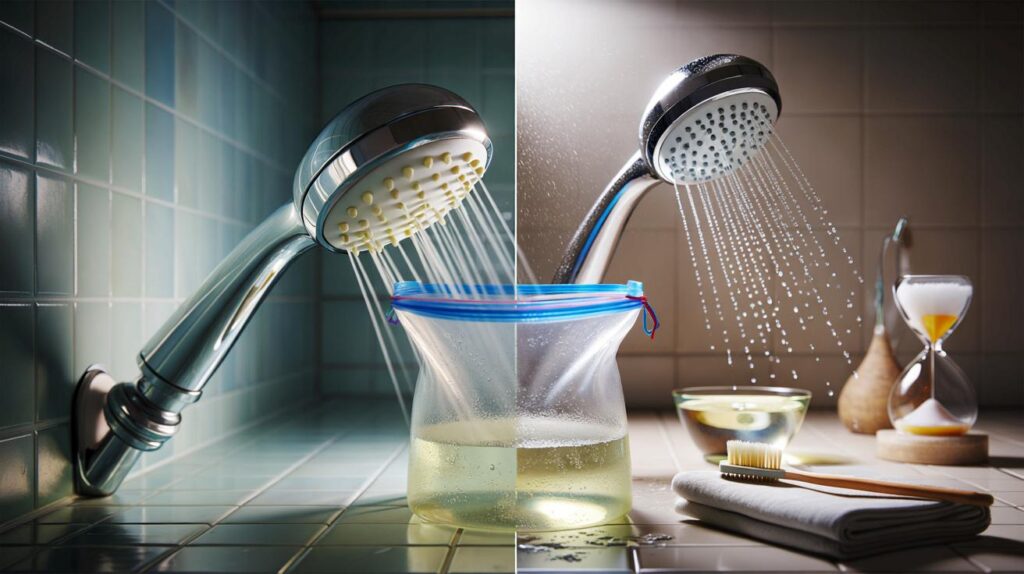
Cold evenings feel longer when your shower dribbles. A simple household tweak can turn that thin spray into a steady, warming flow.
If your bathroom routine now starts with fiddling the angle to avoid rogue jets, you’re not alone. Hard water quietly clogs shower heads and steals pressure. A low-cost, low-effort fix is gaining traction because it works, it’s gentle on fittings, and it takes less than an hour.
Why your shower head clogs (and the early warnings)
Hard water leaves calcium carbonate behind as it dries. Those crystals build up inside narrow channels and nozzles. Over time, spray patterns misbehave, fine mist replaces firm streams, and your boiler or heater works harder.
Look for dull white crust on the faceplate, jets that cross at odd angles, hissing sounds, or a noticeable drop in flow when the mixer is fully open. The issue grows faster if you live in a hard-water region, take frequent hot showers, or leave the head wet after use.
More than half of homes in England live with hard or very hard water. Tiny nozzles and mineral-rich supplies are a perfect recipe for clogs.
The 30‑minute fix: warm white vinegar, zero scrubbing
White vinegar dissolves limescale because its mild acid reacts with calcium carbonate to form soluble salts and fizzing carbon dioxide. Warming the solution speeds the reaction, shortens soak time, and reduces the need to scrub. The method is gentle on chrome and most plastics and costs pennies.
Plan for 30–60 minutes. Use roughly 1 litre of white vinegar, warmed, and a quick brush at the end. Never mix vinegar with bleach.
What you need
- 1 litre of white vinegar (around 89p–£1.20 in most supermarkets)
- A bowl or a strong plastic bag big enough for the shower head
- Very warm water from the tap or kettle, not boiling
- An old toothbrush with soft bristles
- A soft cloth for drying and shining
Step by step
Smarter maintenance that saves money and water
Restored flow trims shower time because you’re not waiting for shampoo to rinse. Typical UK showers run at 8–12 litres per minute. Regaining just 1 minute per person per day can save 240–360 litres per month for a two‑person household.
Heat loss rises when scale coats metal. A thin 1 mm layer on heating elements can push energy use up by as much as 10% because heat transfers less efficiently. A clean shower head helps you keep temperatures lower and flow steadier, which reduces demand on boilers and electric showers.
A 30‑minute soak that costs under £1 can lift flow, cut rinse time, and shave a measurable slice off hot water bills.
Simple habits that slow new build‑up
- Shake off droplets and wipe the faceplate after each shower to stop crystals forming as water dries.
- Once a month, hang a small vinegar bag on the head for a 20‑minute “express” soak without removing it.
- Run the hottest safe water for 60 seconds weekly to wash away early deposits and stale water.
- Avoid abrasive pads that scratch plating and attract more scale.
When vinegar is not the right choice
Acidic solutions and certain surfaces don’t mix. Be cautious with natural stone tiles, brass without lacquer, and some speciality coatings. Always spot‑test a hidden area and keep soaks short on rubber parts. Rinse thoroughly before and after any treatment, and never combine vinegar with bleach or chlorinated cleaners because dangerous fumes can form.
Alternatives compared
| Product | Typical cost per treatment | Soak time | Smell | Surface risk | Notes |
|---|---|---|---|---|---|
| Warm white vinegar | £0.50–£1.00 | 30–60 min | Tangy | Low on chrome, plastics | Cheap, widely available, eco‑friendly |
| Citric acid (30 g per litre) | £0.30–£0.70 | 20–45 min | Mild | Low | Good for odour‑sensitive homes; dissolves fast when warm |
| Commercial descaler | £0.70–£1.50 | 10–30 min | Varies | Medium | Read label for metals; stronger acids can etch finishes |
| Bicarbonate of soda | £0.10–£0.30 | N/A | Neutral | Low | Not a limescale solvent; use only as a gentle final polish |
Hygiene matters: biofilm, bacteria and safer habits
Limescale traps organic material and forms a rough surface where biofilm sticks. That mix can harbour bacteria. Keep the head clean and run hot water before the first shower of the day, especially after holidays. For an extra hygiene step, some households rotate a citric‑acid soak monthly because it works at low odour and rinses clean. If you use any disinfectant, rinse scale removers away first, treat separately, then rinse again.
Quick checks before you blame the head
Not every weak spray is scale. Work through these checks in five minutes.
- Flow restrictor: many heads include a small plastic insert; remove and clean or refit as needed.
- Hose kink or collapse: rubber liners fail with age; a new hose costs under £10.
- Diverter valve: bath‑shower mixers jam; scale can clog the selector.
- Supply pressure: combi boilers need minimum flow; try another tap to compare.
- Debris filter: some mixers have mesh filters; a quick rinse restores balance.
Your seasonal plan
Set a calendar reminder every four weeks. Alternate a short, on‑the‑spot bag soak with a deeper clean each quarter. If you live in very hard‑water postcodes, consider a finer‑nozzle head designed for scale‑resistant rubber tips, and keep a small tub of citric acid in the cupboard for quick weekend care.
Curious about your local water? Test strips cost a few pounds and give a number in parts per million. If your reading tops 200 ppm, treat the shower head monthly. If it hovers under 150 ppm, a quick clean every 6–8 weeks often suffices. That small routine keeps mornings easy, bills lean, and fixtures looking new without harsh chemistry or elbow grease.



Tried this tonite—30 minutes in warm white vinegar, quick toothbrush swish, and my spray pattern is finally normal. Cost me 89p and about half an hour. Cheers for the clear steps.
Does vinegar damage rubber washers or the chrome finish over time? I’m wary of doing this monthly—any long‑term evidence or manufacturer guidance?