
Autumn brings damp boots, steamy windows and crumbs in every crevice. Cabins suffer, and your weekly clean starts to feel never-ending.
As costs rise and journeys get wetter and darker, UK motorists are flocking back to a humble cupboard staple: bicarbonate of soda. Priced from about £1 a box, it tackles odours, marks and fogged glass without harsh chemicals or strong perfume. Drivers on a tight schedule are turning the white powder into a quick, tidy routine that restores a fresher cabin in minutes.
Why UK drivers are turning to bicarbonate of soda
Pet smells linger. Takeaway residue clings. Moist air fogs glass. Many off-the-shelf cleaners mask the problem and leave a shine that attracts dust. Bicarbonate of soda neutralises odours and lifts grime at the source. It works on fabric seats, mats, plastics and glass if used correctly. It is mild, cheap and widely available. That makes it a practical choice when rain and road dirt arrive in force.
At around £1 for 500 g, a single box can cover multiple deep-cleans inside and outside the car with minimal waste.
Inside the cabin: from mats to dashboard
Fast odour reset for carpets and boot mats
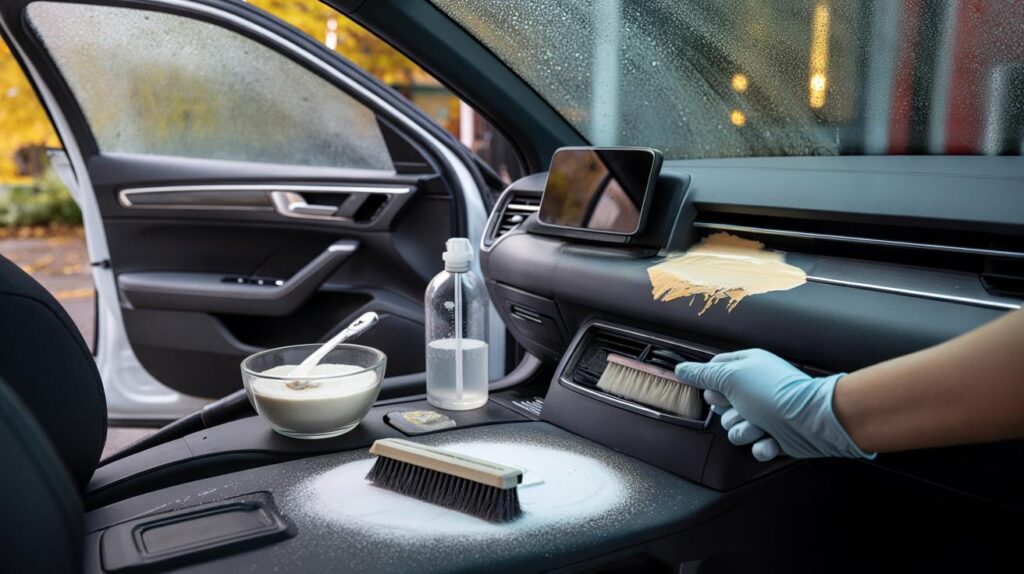
Shake a light, even layer of bicarb over dry carpets and boot mats. Use about 1–2 tablespoons per footwell. Work it in with a soft brush. Leave for 30–60 minutes. Vacuum thoroughly. Food, pet and damp odours fade because the powder absorbs acidic and fatty compounds rather than masking them.
For deep smells, repeat after 24 hours and keep windows ajar for 10 minutes to ventilate.
Target stains with a gentle paste
Mix three parts bicarb with one part water to form a spreadable paste. Dab onto fresh spills such as coffee, hot chocolate or road salt marks. Gently agitate with a soft cloth. Leave for five minutes. Wipe with a damp microfibre, then blot dry. The mild alkalinity helps loosen organic stains without bleaching fabric.
- Test on an inconspicuous area first, especially dyed cloth or alcantara.
- Avoid leather seats; use a leather-safe cleaner instead.
- Do not saturate foam underlays; use as little liquid as possible.
Plastics, vents and touch points
Dampen a cloth, sprinkle a teaspoon of bicarb and wipe door pulls, centre consoles and steering wheel trim. Sticky residues, fingerprints and light film lift quickly. Finish with a fresh damp cloth to remove residue. Buff dry to a low sheen that does not attract dust.
For vents, dip a soft detailing brush into a weak solution (half a teaspoon in 250 ml of warm water). Swirl across slats, then wipe dry. This clears grime without forcing moisture deep into the ducts.
Keep bicarb away from glossy touchscreens and instrument lenses; use a plain microfibre and water for those surfaces.
Glass, lights and exterior details
Clearer windscreens and side glass
Mix a teaspoon of bicarb in 300 ml of warm water. Wipe the inside glass with a microfibre, working top to bottom. This cuts the hazy film left by plasticisers and cabin vapour. Dry with a clean cloth. On the outside, the same solution helps break traffic film before a final rinse and dry.
Headlamp clarity and light rain film
For slightly dulled plastic headlamps, make a thin paste and massage gently with a soft pad for 60 seconds. Rinse and dry. It will not repair deep oxidation, yet it can brighten light haze and boost beam definition on short autumn evenings.
Wheels and plastic trims
Brake dust sticks to wheels, especially after wet commutes. Sprinkle bicarb on a damp wheel sponge and work the spokes and barrels. Rinse well. On unpainted exterior plastics, a quick wipe with a weak solution removes road film without leaving a greasy finish.
Use a light hand on delicate finishes. Bicarb is mild, but any abrasive can mark soft clearcoats if overworked.
Three simple ways to use it
- Dry: shake onto mats to absorb odours and moisture, then vacuum.
- Paste: three parts powder to one part water for stains and scuffs.
- Solution: half to one teaspoon in 250–300 ml of warm water for glass and plastics.
Quick-reference guide: what to use, how long and how much
| Task | Mix | Quantity | Contact time | Tools | Approx cost per use |
|---|---|---|---|---|---|
| Deodorise carpets | Dry powder | 1–2 tbsp per footwell | 30–60 min | Brush + vacuum | £0.05–£0.10 |
| Spot-clean fabric seats | Paste (3:1) | 1–2 tsp per mark | 5–10 min | Microfibre + bowl | £0.02–£0.05 |
| Inside glass film | Solution (1 tsp/300 ml) | 300 ml | Wipe-on, immediate dry | Spray bottle + cloth | £0.01–£0.02 |
| Headlamp haze | Thin paste | 1 tsp per lamp | 60–90 sec | Soft pad + water | £0.01 |
| Wheels (light soil) | Powder on damp sponge | 2–3 tsp per wheel | Wipe, then rinse | Sponge + hose | £0.05–£0.08 |
Time-saving routines for busy weeks
The five-minute lunch-break clean
Keep a 250 ml bottle of diluted bicarb, two microfibres and a soft brush in the boot. Mist the inside windscreen, wipe and dry. Brush bicarb across front mats, wait while you eat, then vacuum with a handheld. Finish with a quick pass over the wheel and console. That short burst reduces smells and smears before they build.
Sunday reset before the school run
Empty the boot, sprinkle powder on the mat and rear footwells, and leave for an hour while you wash the exterior. Vacuum last. Add a small open tub with two tablespoons of bicarb under the boot floor. It quietly absorbs odours through the week. Replace every month.
Limits, risks and smart add-ons
Bicarb helps with micro-marks on glass, but it will not remove deep chips or wiper gouges. Use it lightly on transparent plastics to avoid swirling. Skip glossy screens and coated cluster lenses. On leather, choose pH-balanced products only. Never mix bicarb directly with strong acids in a spray bottle; the reaction releases gas and can burst a closed container.
Patch-test any fabric in a hidden spot, dab rather than scrub, and keep liquids away from seatbelt mechanisms and electrical switches.
Address moisture at its source. Check door seals for leaks, shake out rubber mats after wet days and run the air-con on demist for five minutes to dry the evaporator core. A small reusable dehumidifier bag under a seat can cut overnight fogging.
Why this budget fix matters for autumn and winter
Shorter days mean more time driving in the dark and damp. Clear glass and neutral cabin air reduce fatigue and keep attention on the road. A low-cost routine also avoids juggling five separate bottles for plastics, fabric, headlamps, wheels and glass. One tub and measured doses bring consistency, cut packaging waste and store neatly in a side pocket.
For drivers planning longer half-term trips, pack two resealable bags: one with dry bicarb, one with a teaspoon and microfibre. If a drink spills or a dog jumps in after a muddy walk, you can control the mess in minutes and prevent a set-in smell that lingers for weeks.
Going a step further
Pair bicarb with proper maintenance for a cleaner cabin: change the pollen filter on schedule, bin food wrappers immediately and keep a small handheld vacuum charged. If you use fragrance, choose a light, non-oily card or gel so dust does not stick to vents and screens. On older cars, inspect headlamp seals and boot drains; stopping water ingress does more for odours than any deodoriser.
For value, buy a 500 g box and decant into a shaker with a lid. Label mixes and keep them away from children and pets. Track how many cleans you get per box; most households report six to ten full interior refreshes, bringing the per-clean cost under 20 pence. That is a tidy win in a year when every pound counts.



Just tried the 3:1 bicarb paste on a latte drip—five minutes, light agitate, wipe, done. Odour’s gone and no weird perfume. This is definately going in my boot kit.
Does this scratch factory-tinted glass or piano-black trims? ‘Mild abrasive’ still sounds risky—anyone patch-tested and not seen micro-marring?