
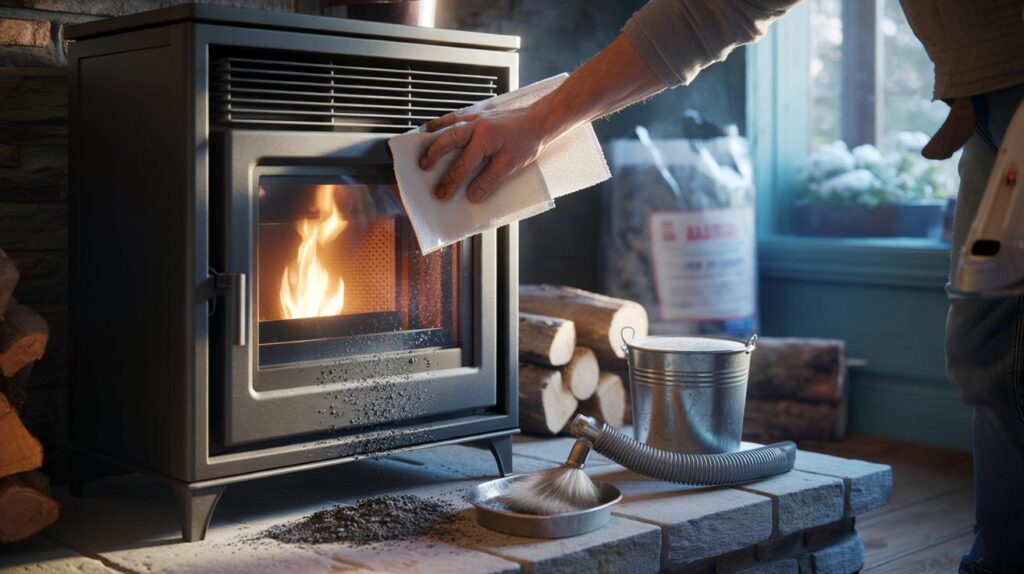
As the cold closes in, a tiny daily habit might decide whether your pellet or log store lasts until spring.
Across the country, stoves fire up and bills rise, yet a quiet fix sits within reach. Heating engineers and seasoned wood‑burners point to one small task that sharpens combustion, lifts warmth and slashes waste. It takes less time than boiling a kettle, costs nothing, and can keep fuel use under control when prices feel unforgiving.
Why your stove burns more than it should
Soot and ash build up fast. Dust coats the burn pot, clogs airways and dulls the glass. Airflow drops, pellets smoulder and logs struggle to ignite. Your control panel asks for heat, so the stove feeds more fuel to compensate. The cycle repeats, and your store empties sooner than planned.
Telltale signs appear within days. A blackened glass hints at starved air. A lazy, orange flame signals incomplete combustion. An overflowing ash pan points to a choked path for exhaust gases. Each symptom nudges efficiency down and fuel use up.
Dirty glass is rarely just cosmetic. It often signals poor airflow, weak combustion and wasted fuel.
The two-minute habit professionals swear by
Keep it simple. Work only when the appliance is completely cold. Use a dry cloth, a soft brush and, if you have one, a small ash vacuum. No special kit or chemicals required.
Quick routine, big payoff
- Open the door only when the stove is cold and powered down.
- Wipe the glass with a barely damp paper towel or old newspaper. Avoid sprays on hot glass.
- Brush loose deposits from the burn pot and around the grate holes.
- Empty the ash pan and vacuum remaining dust from corners and air inlets.
- Tap accessible baffles or small channels to dislodge fine soot, then vacuum gently.
Two mindful minutes after every two or three refills can trim seasonal consumption by up to 20%.
Pair the clean with simple safety checks
- Inspect door and ash‑pan seals for gaps or fraying that can skew airflow and raise consumption.
- Confirm that the air inlets move freely and that the fan (on pellet units) spins without scraping noises.
- Keep a carbon monoxide alarm tested and within the same room as the stove.
- Store cooled ash in a metal container with a tight lid, away from combustibles.
Does it really save 20%? The numbers for a typical home
Engineers report that a clean burn path restores stable airflow and hotter, cleaner flames. That translates into fewer feed cycles and less wasted heat up the flue. The gain is modest each day but adds up over months of heating. The money at stake depends on how much you burn and what you pay for fuel.
| Heating type | Typical seasonal use | Typical unit cost | Season cost | 20% saved | Cash saved |
|---|---|---|---|---|---|
| Pellet stove (small home) | 1.2 tonnes | £360 per tonne | £432 | 0.24 tonnes | £86 |
| Pellet stove (larger use) | 2.0 tonnes | £370 per tonne | £740 | 0.4 tonnes | £148 |
| Log burner | 3 bulk crates | £200 per crate | £600 | 0.6 crates | £120 |
Your figures may differ. Prices vary by region and season, and moisture content changes how far logs go. The principle holds: clean paths and clear glass help your appliance make more heat from the same fuel.
Make each fire work harder
Fuel quality matters. Pellets certified to ENplus A1 produce fewer fines and less ash, which keeps airflow stable. Logs with moisture content under 20% burn hotter and cleaner than green wood. A £10 moisture meter guides buying and storage choices. Store fuel off the ground and under cover to prevent dampness from stealing heat.
- Burn steadily rather than yo‑yoing between high and low. Steady settings maintain clean flames and fewer clinkers.
- Keep the room thermostat honest. Position it away from draughts and direct sunlight to avoid false demand.
- Check grate holes weekly. Blocked holes choke the primary air and force the auger to feed more pellets.
- Use the lowest fan speed that still circulates heat, reducing electrical draw and noise.
- For logs, build smaller, hotter fires with plenty of air at the start, then reduce once the bed glows.
What happens when you skip the maintenance
Clogged passages raise flue temperatures yet lower room heat, throwing money up the chimney. Ash can fuse into clinkers that deform grates. Soot restricts exhaust flow, which stresses motors on pellet stoves and stains rooms during door openings. Door leaks drag in excess air and cool the firebox, forcing longer runs for the same comfort.
Soot‑narrowed flues raise the risk of carbon monoxide and chimney fires. A light daily clean fights both.
When to call a professional
Book a qualified sweep for the flue at least once per heating season, or more often with heavy use. Ask a technician to service pellet stoves annually: they can calibrate feed rates, inspect fans and sensors, and clean hidden cavities that collect fines. Call early if you notice persistent smoke on start‑up, tar streaks around joints, frequent shutdowns, or a whistle from the flue that wasn’t there before.
A two-minute habit, scheduled
Attach the routine to something you already do. Wipe the glass while the morning coffee cools. Empty the ash pan after every second bag of pellets. For logs, brush the firebox after the final burn of the day. A sticky note near the hopper or a phone reminder keeps the habit alive when evenings get busy.
Extra detail that stretches savings further
Pellet fines behave like sand in the auger. Sieve a fresh bag through a simple mesh if your store is dusty. Less dust means smoother feeding and steadier flames. For logs, stack loosely to allow air gaps, and rotate older wood to the front so you burn the driest first.
Run a quick personal simulation. Take last winter’s fuel total, multiply by 0.2, and then multiply by your current price per unit. That number is your potential win for sticking to the two‑minute clean. If you use mixed fuels, apply the same calculation to each and add the results. Even half the target saves real money and reduces the chance of mid‑winter breakdowns while you need the stove most.



20% savings sounds a bit optimistic. Any controlled tests or data logging (before/after) to back that up, beyond installer anecdotes?