
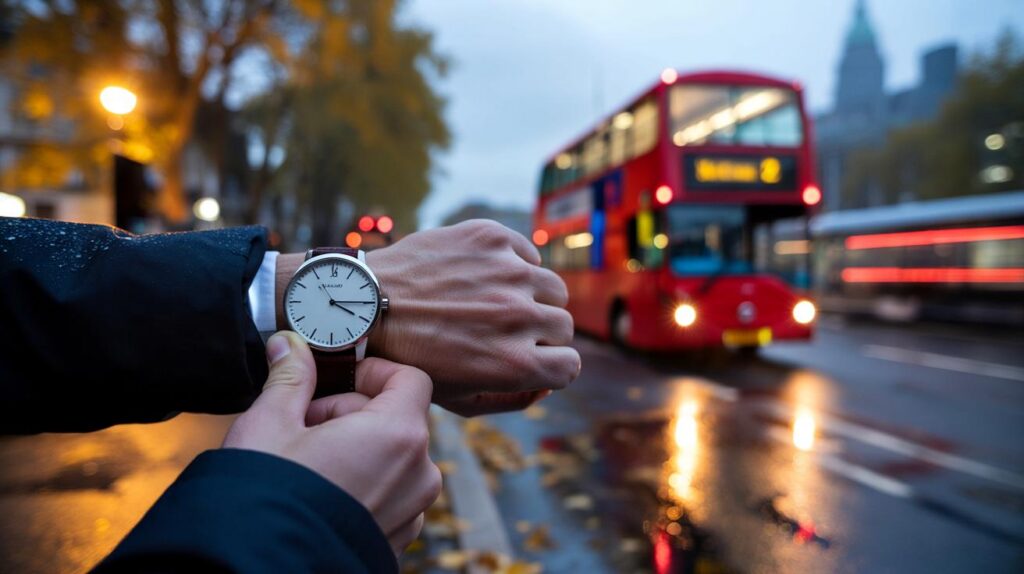
Evenings feel shorter, mornings turn crisper, and that familiar autumn shuffle begins. Diaries fill, headlights flash earlier, and kettles whistle.
The seasonal time switch returns as British Summer Time bows out and Greenwich Mean Time steps in. Here is what changes, when it happens, and how it affects your sleep, commute and weekend plans.
When do the clocks go back in 2025?
The UK moves from British Summer Time to Greenwich Mean Time in the small hours of Sunday 26 October 2025. At 2am, the clocks turn back to 1am.
Sunday 26 October, 2am: BST ends and the UK gains 60 minutes, landing you a bonus hour in bed.
You gain an hour overnight. Morning light arrives earlier for a while. Dusk steals in sooner, which many notice on the school run, at the shops or on a late train home.
What exactly changes at 2am?
British Summer Time (BST) is UTC+1. Greenwich Mean Time (GMT) aligns with UTC+0. When the clock shifts back, the UK drops that extra hour and returns to GMT for the winter months. Your phone and most connected devices adjust automatically, but older clocks may not.
Why do we still change the clocks?
The practice arrived in 1916 during the First World War to squeeze more usable daylight into working hours and to save fuel. Thinkers had pitched the concept earlier, and British campaigner William Willett famously argued for it in the 1900s. The idea remains contested. Supporters point to lighter winter mornings for safety and routine. Critics cite disrupted sleep and darker rush-hour evenings.
Do I need to change anything myself?
Many devices will switch without a finger lifted. A few will not. A quick Saturday-night check can spare a Sunday mix-up.
- Manually set watches, wall clocks and bedside alarms.
- Car dashboards, oven timers and microwave clocks often need a manual reset.
- Heating and hot water programmers may drift; confirm schedules on Sunday morning.
- Smartphones, laptops, smart speakers and most modern TVs update on their own.
- Calendar invites created across time zones can shift an hour; scan Monday’s meetings.
Sunset times on the first day back
Expect noticeably earlier nightfall on Sunday 26 October 2025. Here are indicative sunset times in several UK cities.
| City | Sunset (26 Oct) |
|---|---|
| London | 4:44pm |
| Edinburgh | 4:45pm |
| Cardiff | 4:56pm |
| Belfast | 5:00pm |
| Birmingham | 4:49pm |
| Manchester | 4:48pm |
| Glasgow | 4:50pm |
Local weather and cloud cover will alter how bright it feels, but the earlier dusk is immediate.
When do the clocks go forward again?
British Summer Time returns on Sunday 29 March 2026. The clocks jump forward by one hour at 1am GMT, becoming 2am BST.
Mark it now: Sunday 29 March 2026 is the spring switch to BST, trimming an hour from your night.
Will the UK stop changing the clocks?
The debate rumbles on. Westminster has no plans to end seasonal clock changes. A 2024 YouGov poll signalled a split public mood: 46 percent favoured keeping the current system, while 42 percent preferred scrapping it. The European Union discussed ending mandatory seasonal changes, yet no bloc-wide change has taken effect, and the UK sets its own course.
What is Greenwich Mean Time?
GMT is the standard winter time observed in the UK. It is defined by the mean solar time at the Prime Meridian, which runs through the Royal Observatory in Greenwich. In practical terms, GMT sets the national time from late October to late March.
Health, safety and daily life
The autumn change shifts light into the early morning and reduces light in late afternoon. That tweak touches sleep, travel and safety.
Sleep and body clock
- Keep your usual bedtime on Saturday and Sunday if you can.
- Dim lights and screens an hour before bed to help your body adjust.
- Limit late caffeine and alcohol; both can fragment sleep.
- Use the lighter morning for a short walk; daylight anchors your circadian rhythm.
Commuting, travel and work
- Evening visibility drops fast after the change; cyclists and runners benefit from reflective kit and lights.
- Public transport timetables switch to the new time immediately; check departure boards on Sunday.
- Flights use local time at departure and arrival; confirm times if you booked months ago.
- Shift workers should confirm rota times with managers; one night shift often extends by an hour.
Expect brighter mornings for a spell, but plan for darker homeward journeys and busier headlight hours.
Why the change can feel harder than it sounds
An extra hour seems like a gift, yet routines still wobble. Children and pets run on habit rather than clocks. Evening activities compress into a narrower slice of light. Gardens and outdoor jobs wrap earlier. Many people notice appetite and energy shifts as daylight shrinks toward December.
Make the most of your bonus hour
- Sort winter kit: check bike lights, find gloves, charge power banks, replace torch batteries.
- Test smoke and carbon monoxide alarms, and review emergency contacts.
- Set smart plugs and lamps to new schedules for a lived-in look after dark.
- Batch-cook a hearty dish for busy weeknights that now feel shorter.
Frequently asked quick answers
- Do phones update themselves? Yes, if automatic time is enabled.
- Do oven and car clocks change? Often not; consult the manual.
- Do we gain or lose an hour? In October you gain one; in March you lose one.
- Does this affect pay? Night workers should check contracts for the longer October shift.
A few extra notes for planners
Sports fixtures, TV schedules and bookings all switch to GMT on Sunday. If you run events or bookings software, verify time-zone settings to avoid early arrivals or late finishes. Photographers, anglers and walkers can squeeze value from earlier golden hours and twilight. Stargazers benefit too, with darker evenings bringing the Milky Way within easier reach from rural spots.
Families can soften the change by nudging bedtimes 10 to 15 minutes earlier across the week before the switch. Drivers can plan routes that avoid unlit paths, and pedestrians can pick brighter streets for the home leg. Small tweaks help the season feel smoother, even as the light fades earlier each day.



Extra hour? I’m using it to sleep, not to fix the oven clock again.
Thanks for the reminder—Sunday 26 Oct 2025 at 2am back to 1am. How do rail and night-bus timetables handle the duplicate 1:15am? And for shift workers, is the extra hour automatically paid or does it depend on contracts?