
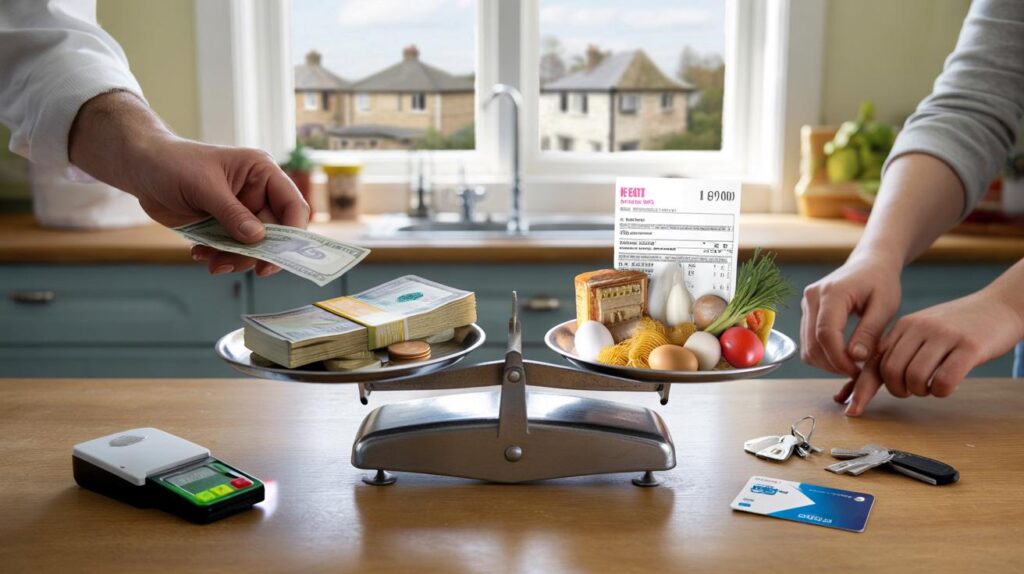
Rising prices, tight budgets and shifting welfare rules converge next spring, leaving households to recalc how far payments really go.
From April 2026, Universal Credit’s standard allowance will rise faster than prices, lifting weekly amounts for millions. The policy offers a clear cash gain, yet it lands alongside cuts to the health‑related element and questions over whether the uplift keeps pace with real‑world costs.
What changes in April 2026
Ministers have set a formula that bumps the Universal Credit standard allowance by the rate of September inflation plus a fixed top‑up. With consumer price inflation holding at 3.8 per cent and the extra set at 2.3 points, the uprating lands at roughly 6.2 per cent. The Department for Work and Pensions will apply the new rates to claims from April 2026.
Eight million Universal Credit claimants will see a 6.2% rise to the standard allowance from April 2026.
That headline gain means a single adult aged 25 or over sees their standard allowance increase from about £92 to £98 a week. Couples where at least one partner is 25 or over go from about £145 to £154 a week. The uplift will apply every year through to 2029 under July’s welfare reforms, always outpacing inflation by a fixed margin set annually.
Most other benefits will not receive the extra 2.3‑point top‑up. Those payments should rise by the September inflation rate alone, around 3.8 per cent.
How the 6.2% uprating is calculated
The government ties next year’s Universal Credit increase to two numbers: September’s CPI inflation, plus a pre‑announced percentage. For 2026, CPI is 3.8 per cent and the fixed addition is 2.3 points, giving 6.1 per cent to 6.2 per cent when rounded. That translates into a weekly gain of roughly £6 for a single person over 25 and about £9 for a couple over 25.
The 2026 formula combines September CPI at 3.8% with a fixed 2.3% addition, producing a 6.2% rise.
What you could receive
The new monthly standard allowance figures, before any extras for housing, children or disability, are expected to look like this:
| Claimant type | Current monthly rate | From April 2026 | Monthly change |
|---|---|---|---|
| Single, under 25 | £316.98 | £336.63 | +£19.65 |
| Single, 25 and over | £400.14 | £424.95 | +£24.81 |
| Couple, both under 25 | £497.55 | £528.40 | +£30.85 |
| Couple, one or both 25 and over | £628.10 | £667.04 | +£38.94 |
Weekly examples highlighted by officials include:
- Single, 25 and over: about £92 rises to about £98 (+£6 a week)
- Couple, one or both 25 and over: about £145 rises to about £154 (+£9 a week)
Over a full year, that puts several hundred pounds back into household budgets. For many families, the gain could reach around £450 depending on their household category and award cycle.
Standard allowance gains will add up to several hundred pounds a year, with some households near the £450 mark.
Who gains, and who may feel short‑changed
The above‑inflation rise brings a clear boost for millions on low incomes. Yet the picture varies. The health‑related element of Universal Credit is being tightened in parallel, which will reduce support for some new claimants from next year.
The health‑related element
- Existing recipients: the additional rate stays frozen at £97 a week until 2029/30.
- New recipients: the additional rate drops to £50 a week.
Those amounts sit on top of the standard allowance, so households affected will still receive the 6.2 per cent rise to the base rate. Even so, the lower health element means some people with new claims will see a smaller overall award than they might have expected previously.
Disability groups warn that disabled households face higher unavoidable costs, from transport to specialist equipment. They argue that cutting the health component for new claims risks a two‑tier system and leaves many struggling after rent, utilities and food price pressures.
Timing and the inflation twist
Think‑tanks welcomed the fall in inflation from last year’s peaks but warned the timing trims next year’s uprating. Because the system locks in September’s CPI, a softer inflation print in that month means a smaller increase than forecasters expected. Analysts say that leaves many claimants with a boost that looks good on paper but still buys less once energy bills, food and transport are accounted for.
Anti‑poverty campaigners argue the standard allowance still falls short of a level that covers essentials for a single adult. They want a transparent mechanism that links the core rate to the cost of a basic basket of goods and services rather than to inflation alone.
What else could change this autumn
The Treasury plans to set out broader welfare measures around the autumn Budget. Ministers trail further reforms aimed at work incentives and support for long‑term ill‑health. Any changes could reshape the balance between the standard allowance, health‑related components and the rules on work search.
How this interacts with your full award
Your Universal Credit payment is more than the standard allowance. The final amount depends on housing costs, children, caring responsibilities, earnings and deductions. The 6.2 per cent rise applies only to the standard part; other elements typically follow September inflation at about 3.8 per cent.
Three quick checks to make before April 2026
- Update your details: report any change in household, childcare or housing to keep your award accurate.
- Review work income: the taper reduces your award as earnings rise; small changes in hours can shift payments.
- Plan cashflow: the April uplift may not align with rent dates or utility cycles; adjust direct debits where needed.
Worked examples
A single renter aged 28 with no children and variable zero‑hours income currently sees a standard allowance near £400.14 a month. From April 2026, the standard allowance element rises to about £424.95, a gain just under £25 a month before any housing or earnings adjustments. If the claimant’s hours rise, the taper will still reduce the final award, but the underlying standard amount sets a higher starting point.
A couple aged 30 and 27 with no dependent children sees their standard allowance move from about £628.10 to around £667.04 a month. That near‑£39 monthly boost may offset part of higher food and transport costs, though rent and council tax pressures could erode the benefit.
Key takeaways for households
Universal Credit’s standard allowance will rise by around 6.2 per cent from April 2026, reflecting 3.8 per cent inflation plus a fixed top‑up. That means weekly gains of roughly £6 for single adults over 25 and about £9 for qualifying couples. Most other benefit elements track inflation only and will climb by around 3.8 per cent.
People with health‑related needs should prepare for a split system: existing claimants keep the £97 weekly health addition (frozen), while new claimants receive £50. The base uplift still applies, but the overall package may feel tighter for those starting new claims.
If you want to gauge the impact on your own budget, list your current elements line by line, apply 6.2 per cent to the standard allowance and 3.8 per cent to elements that follow inflation, then factor in your earnings taper. This quick simulation shows whether the annual gain nudges you closer to covering fixed costs or if a shortfall remains. Households with fluctuating income should run the numbers at different earnings levels to see where the taper starts to bite.



If the standard allowance rises 6.2% to roughly £98/week, but the health‑related element for new claims falls to £50 from £97, aren’t many disabled folks effectively worse off overall? Seems… contradictory.
£98 a week… after rent, leccy and bus fares, what’s left? Not alot.