
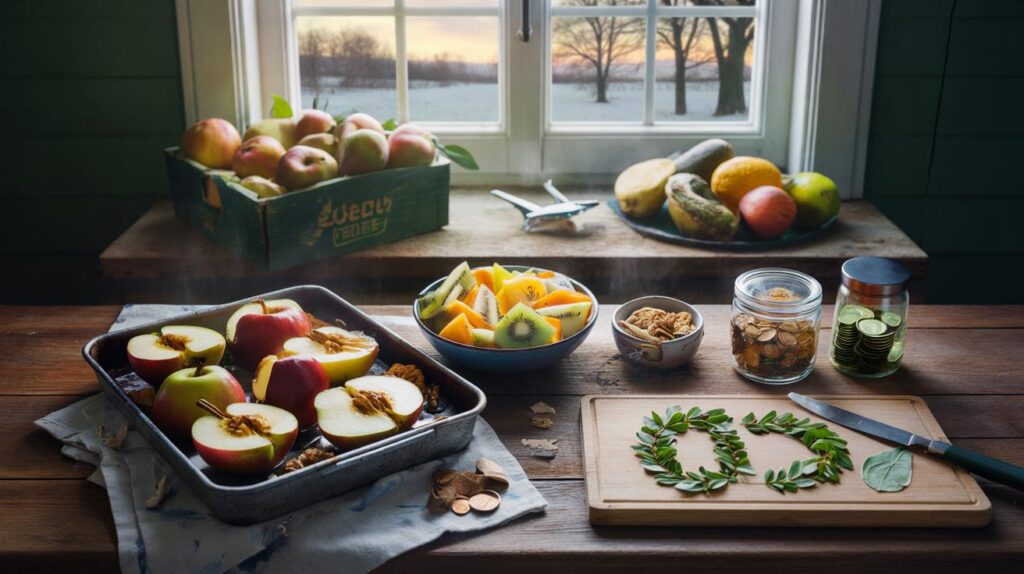
Cold months bring bright cravings and familiar routines. One small swap at the fruit bowl reshaped my winter habits.
I stopped buying mangoes, pineapples and avocados for 60 days. I stuck to British and near‑European winter fruit. What followed was a mix of surprise, mild withdrawal, and a clearer view of how everyday choices nudge health, money and the planet.
Why the winter fruit bowl turned into a test
Winter makes the siren call of sun‑drenched fruit hard to resist. Shops brim with glossy tropical colours just when the sky turns grey. Yet those bright slices carry hidden miles, chilled storage and chemical standards that vary wildly by origin. I wanted to see what changed if I pressed pause.
The 60‑day plan
- No mangoes, pineapples, avocados, papayas or limes from distant origins.
- Yes to apples, pears, quince, UK or French kiwis, citrus from nearer growers, nuts and stored berries.
- Batch‑prep: baked fruit, compotes, and warm salads to fight “cold‑fruit” fatigue.
- Track three things: gut comfort, spending, and an estimate of “food miles”.
Small winter swaps add up: fewer long‑haul kilometres, steadier digestion, and a modest but real saving at the till.
What changed on my plate and in my body
The first week tested patience. I missed mango on yoghurt and the buttery comfort of avocado toast. Then seven shifts emerged, steady and unexpected.
- Less bloating after breakfast. Warm stewed fruit sat better than chilled tropical chunks.
- More fibre from skins and nuts, which helped regularity without drama.
- Fewer mid‑morning slumps. Pear‑and‑walnut kept me level where pineapple once spiked and dipped.
- Sharper flavours. Baked apple with lemon zest felt indulgent, not second‑best.
- Clearer skin patches on my hands. Not a miracle, but irritation eased.
- Lighter bin. Peelings and cores composted easily; no half‑brown avocado halves to throw away.
- Better variety. Old varieties of apple and local citrus rotated through the week, so boredom didn’t win.
The numbers you asked for
I logged my fruit shop and mapped typical distances from farm to shelf. It’s crude, but it frames the trade‑offs.
| Basket item | Typical origin distance | Price paid per kg | Storage/handling | Vitamin angle |
|---|---|---|---|---|
| Mango/avocado mix | 5,500–9,000 km | £3.00–£7.50 | Chilled transit, ripening rooms | Healthy fats/sugars, limited fibre skins |
| Apples/pears/kiwi (UK/nearby) | 80–1,200 km | £1.20–£3.20 | Cold store, short‑haul lorry | High fibre, robust vitamin C in kiwi |
| Citrus (Spain/Italy) | 1,200–2,000 km | £1.60–£2.80 | Shorter ship/lorry routes | Reliable vitamin C boost |
Over two months, receipts showed roughly £18 saved compared with my previous winter shop. Swapping two tropical items a week for local fruit and nuts trimmed my rough “food miles” estimate by 22%. It won’t fix the climate, yet it beats doing nothing.
Keep imported fruit as a treat, not a default. Your basket shifts, your budget breathes, your impact shrinks.
Hidden residues and sensitive guts
Pesticides across borders
Fruit that travels far often faces stricter cosmetic pressures: perfect shine, perfect shape, zero bruises. In some exporting regions, growers use plant protection products that differ from UK or EU norms. Checks do happen, and many consignments pass. Still, seasonal spikes in residue findings appear in monitoring reports, especially for certain tropical lots. Washing and peeling help, but they don’t remove systemic residues inside the flesh.
When digestion pushes back
Some people react to specific tropical enzymes, latex‑related compounds, or sulphite dips used post‑harvest. Others simply struggle with cold, sugary fruit on a cold morning. My notes matched a familiar pattern in winter: cooler foods, faster eating, and a tummy that complains. Warm stewed fruit and crunchy nuts eased that cycle and felt gentler on the gut.
Local winter fruit that pull their weight
The “boring” basket turned lively once I cooked differently. Texture and temperature did the heavy lifting.
- Roasted pears with thyme and a spoon of yoghurt.
- Apple, quince and ginger compote over porridge.
- Kiwi and orange salad with toasted seeds for brightness.
- Baked apple with a date‑nut crumble instead of pastry.
- Blood orange segments over ricotta with honey.
Simple flavour maths
Acid plus sweet plus crunch beats nostalgia. Citrus lifts, spice warms, nuts satisfy. You don’t crave a mango when your spoon hits something warm, fragrant and textural.
What this means for your next shop
- Pick two local mainstays (say, apples and pears) and rotate varieties weekly.
- Add one high‑vitamin anchor: kiwi or citrus for the C boost.
- Cook at least half your fruit. Warm dishes feel comforting and help digestion.
- Batch once, enjoy thrice: a tray of baked fruit covers breakfasts and desserts.
- Use nuts and seeds to add fats you might miss from avocado.
Context that keeps the choice honest
Not all imported fruit equals a climate villain. Bananas ship efficiently. Some farms overseas follow strong residue standards and pay workers fairly. The issue is scale and season: when long‑haul fruit becomes a weekly reflex, costs pile up for the atmosphere and sometimes your gut. A middle path works. Buy imported gems for a recipe or a celebration. Spend the rest of the month on closer harvests.
Extra: who should tweak this plan and how
If you manage blood sugar, cooked apples, pears and nuts often suit a slower release than very ripe tropical fruit. Pair fruit with protein to soften spikes. Athletes who love bananas can keep them, then trim elsewhere. On a tight budget, supermarket “wonky” apples and bulk nuts deliver nutrition without fuss. If allergies run in the family, introduce new fruits one at a time and watch for reactions, as cross‑sensitivities can blur causes.
Curious about your own numbers? Track your fruit spend for four weeks. Note distance cues on labels, then swap two items and watch the till. Keep a simple gut‑comfort scale from one to five. You’ll see patterns fast. Where the data points, let your basket follow.



This is the nudge I needed. 60 days without mango/avo sounds tough, but the 7 shifts + £18 saved + 22% lower footprint are pretty convincing. Batch‑baked fruit is genius—definitley trying the quince compote this weekend.