
Flyaway roots, a shower drain that fills a little faster, and that uneasy feeling when the parting looks wider in bright bathroom light. Vitamin E scalp serums are suddenly everywhere, promising stronger roots and calmer skin. Some swear by them, others roll their eyes. The truth sits somewhere more human. Stronger roots start with a healthier scalp, not a miracle bottle. And a good serum knows its place: it helps the scalp do its job.
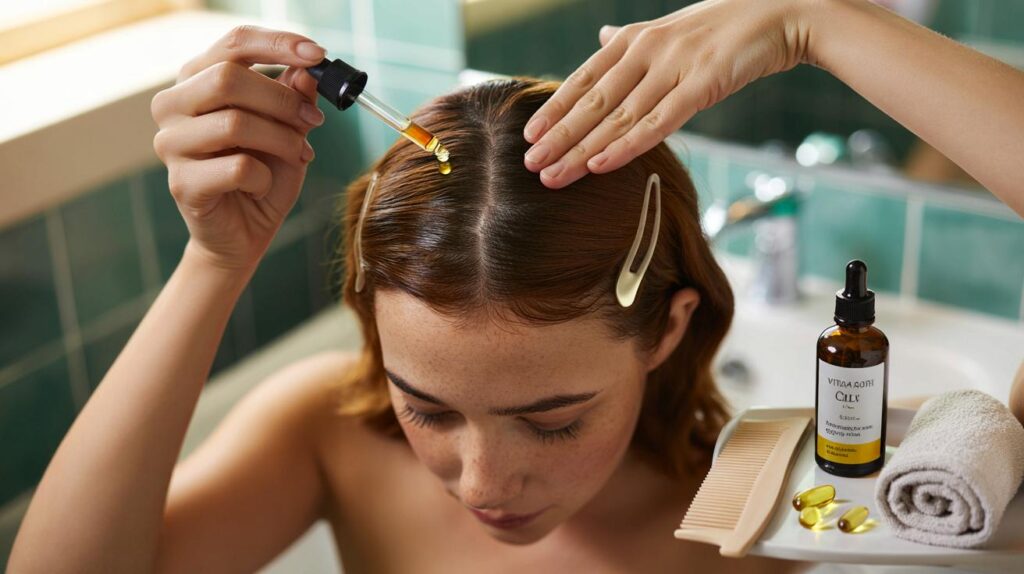
The bottle clicked as the dropper popped free — that tiny, satisfying sound — and a cool bead landed where my hair feels thinnest. London at 7am is a city of small rituals: coffee foam, shoe polish, a swipe of serum across a fretful scalp. I watched a few hairs cling to the comb and winced, then massaged slow circles until the skin warmed. Nothing dramatic happened that day. Two weeks later, brushing felt different. The roots didn’t flinch.
Why Vitamin E can help roots feel stronger
Think of your scalp as soil. Hair doesn’t just grow through it; it depends on it. Vitamin E is an antioxidant that helps neutralise free radicals in the scalp’s lipid layer, the protective film that keeps things balanced. When that layer is stressed by heat, pollution, or overwashing, the follicle’s environment goes off-kilter. A calmer, better-lubricated scalp often means less tug, less snap, and roots that feel sturdier in daily life.
I heard a stylist in Peckham say her clients who added a Vitamin E scalp serum and a two-minute massage “lost fewer short bits” along their partings. It’s not a lab result, it’s the mirror test. There is some science in the background. Oral tocotrienols — a form of Vitamin E — have shown a rise in hair count in small trials, though that’s not the same as topical use. What matters here is the mechanism: an antioxidant shield around a delicate system that hates stress.
Oxidative stress doesn’t just live in science papers. It shows up as squeaky, tight skin after a harsh shampoo and as bristles near the roots that break before they can swing. Vitamin E helps defend the oils that coat the scalp from going rancid and irritating, and it pairs well with carriers like squalane or jojoba that mimic natural sebum. Less friction at the base, calmer skin around the follicle, and a better home for growth. **Vitamin E won’t magically sprout new hair overnight.** It helps the ground hold steady.
How to apply a Vitamin E scalp serum the right way
Start small. On clean, dry or lightly damp scalp, part your hair into four to six sections. Drop 6–10 drops total along the parts, focusing on the crown, temples, and any tight-feeling spots. Use the pads of your fingers, not nails, and massage in slow circles for two to three minutes until warmth builds. Leave for two hours or overnight if your formula says it’s leave-in. Rinse or wash with a gentle, low-suds shampoo. Repeat two or three evenings a week.
Pick a lightweight blend if your hair is fine: squalane, grapeseed, or jojoba with 0.5–5% tocopherol or tocopheryl acetate is a good place to start. Skip pure, undiluted Vitamin E — it’s glue-thick and can clog. We’ve all had that moment when you try a “miracle” oil and wake up with flat roots; use less than you think, then build. If you’re prone to flaking or scalp acne, go fragrance-free and patch test behind the ear for 24–48 hours. Let’s be honest: nobody actually does that every day.
Over-application is the classic slip-up. So is slathering on wet hair, which dilutes the serum’s grip on skin. If you use minoxidil, apply that on a clean scalp first, let it dry, then layer the Vitamin E serum later or on alternate nights. **Massage often matters more than the product.** Work the fingertips like piano hammers — light, rhythmic, and patient. A quiet tingling under your fingertips is often the first sign you’re doing your scalp a favour.
“Think of Vitamin E as a bouncer for your scalp’s barrier — it keeps the rough crowd out so follicles can get on with their work,” says a London trichologist I spoke to.
- Quick-start formula: tocopherol 1–2% in squalane or jojoba, fragrance-free.
- How much: 6–10 drops total for the whole scalp.
- When: evening, two to three times per week.
- Pair with: gentle shampoo, wide-tooth comb, soft towel-drying.
- Stop if: burning, pimples, or sudden shedding spike.
What to expect — and when to tweak
Week one, most people notice comfort more than cosmetics: less tightness after washing, fewer flakes, and that nice slip when you part your hair. Weeks two to four, the brush keeps a calmer mood, and short, stubborn breakage near the roots eases. By eight to twelve weeks, hair can feel denser at the base not because it “grew faster” but because fewer fibres snapped before their time. If your scalp runs oily, switch to a lighter blend or cut frequency. If you have an active scalp condition, keep the formula simple and speak to a pro if irritation shows up. **Consistency beats intensity.** If summer sweat kicks in, reduce to once a week. When radiators come on, bump it back up. Tiny adjustments beat big promises.
| Key points | Details | Interest for reader |
|---|---|---|
| Antioxidant shield for scalp | Vitamin E helps protect scalp lipids from oxidation, easing irritation around follicles. | Roots feel sturdier and less tender in daily combing and styling. |
| Method matters more than volume | 6–10 drops, sectioned application, two to three minutes of fingertip massage. | Better results without greasy buildup or flat roots. |
| Choose the right carrier | Squalane or jojoba for fine hair; sunflower or grapeseed for normal–thick; fragrance-free if sensitive. | Custom fit means comfort, shine, and fewer setbacks. |
FAQ :
- Does Vitamin E regrow hair?Not on its own. It supports scalp comfort and reduces breakage, which helps hair look fuller over time.
- How often should I apply a scalp Vitamin E serum?Two to three evenings per week works for most people; reduce if your roots get oily.
- Can I use it with minoxidil?Yes, but layer smartly: apply minoxidil on a clean scalp, let it dry, then use Vitamin E later or on alternate nights.
- Will it make my hair greasy?Use fewer drops and a lighter carrier like squalane. Apply to the scalp, not mid-lengths or ends.
- What percentage should I look for?Between 0.5% and 5% tocopherol/tocopheryl acetate is common; avoid thick, undiluted Vitamin E on scalp.



I tried the 6–10 drop method with jojoba for two weeks and my roots stopped ‘flinching’ during brushing — weirdly accurate description. Massage seems to be half the magic. I was using way too much before, so this was a game‑changer, definitley. Thanks for the clear steps 🙂
Interesting read, but is there peer‑reviewed evidence for topical tocopherol improving hair fiber breakage or shedding rates? The oral tocotrienol trials aren’t the same thing. Also, any noted incidence of contact dermatitis from tocopherol/tocopheryl acetate on the scalp, especially in fragrance-free vehicles? Patch testing is nice in theory—how essential is it here?