
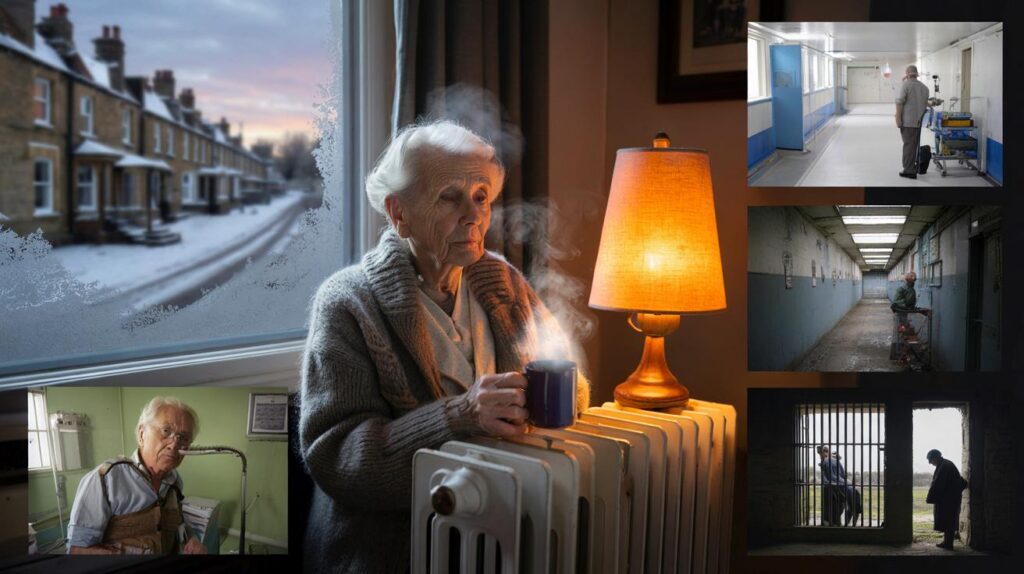
Pensioners are bracing for colder months as new rules reshape who gets help with heating bills across England and Wales this winter.
The Department for Work and Pensions has set out who will receive support and who will not, following a policy reversal announced in June. While millions remain eligible for a £200 or £300 Winter Fuel Payment, five specific groups of older people will miss out under the tightened criteria.
What has changed for 2025
The Government confirmed that around nine million pensioners in England and Wales will receive a Winter Fuel Payment after a June U-turn. Those born before 22 September 1959 can qualify, but there is now an income cap. People with annual income of £35,000 or below will get either £200 or £300, depending on circumstances.
The DWP uses a “qualifying week” to decide who is eligible. For 2025, that is 15–21 September. Where you lived and your personal situation during those seven days matters.
Pensioners with income over £35,000 will not keep the payment. HMRC will recover £200 or £300 through tax processes.
The five groups who will not receive the payment
Officials have confirmed five categories of over-66s will not get the Winter Fuel Payment this winter:
| Who misses out | Why |
|---|---|
| People living outside England or Wales | The 2025 scheme is limited to residents in England and Wales |
| Those in hospital for the full qualifying week | Inpatients receiving free treatment for the whole week 15–21 September 2025, and in the same week the year before |
| People with immigration conditions | Visas that say “no recourse to public funds” block eligibility |
| Anyone in prison for the full qualifying week | In custody for the entire week 15–21 September 2025 |
| Individuals with income over £35,000 | Payments are clawed back if total income exceeds the threshold |
Were you in hospital or prison for the whole of 15–21 September 2025? That week decides your entitlement.
Care home rules that can block your payment
Residents of care homes can still receive the Winter Fuel Payment. But there is a narrow exclusion. You will not be eligible if both of the following apply:
- You receive a means-tested benefit such as Pension Credit, Universal Credit, Income Support, income-based JSA or income-related ESA.
- You lived in a care home for the entire year from 23 June 2025 or earlier.
If only one of those conditions applies, you may still qualify. The DWP assesses these circumstances against the qualifying week.
Who should be paid automatically
Most eligible pensioners will not need to claim. If you already receive certain benefits, the DWP pays the Winter Fuel Payment automatically. These benefits include:
- State Pension
- Pension Credit
- Universal Credit
- Attendance Allowance
- Personal Independence Payment (PIP)
- Carer’s Allowance
- Disability Living Allowance (DLA)
- Income Support
- Income-related Employment and Support Allowance (ESA)
- Income-based Jobseeker’s Allowance (JSA)
- War Pensions Scheme awards
- Industrial Injuries Disablement Benefit
- Incapacity Benefit
- Industrial Death Benefit
If none of these apply and you think you qualify, you may need to check your details with the DWP, especially your address during the qualifying week and your date of birth.
How HMRC will reclaim payments above £35,000
If your annual income ends up over £35,000, HMRC will take back the £200 or £300. This is not a penalty; it is a recovery of a payment you were not entitled to keep.
HMRC can do this in two ways:
- Adjusting your tax code in the 2026–27 tax year so the amount is collected through PAYE over the year.
- Adding the £200 or £300 to your 2025–26 Self Assessment, if you file a tax return.
For many PAYE pensioners, a tax code change spreads the recovery across monthly payments rather than demanding it in one go. Those filing Self Assessment may see the amount added to their balancing payment.
Keep an eye on your tax code for 2026–27. A change can be how HMRC recovers £200 or £300 you were not due to keep.
Key dates and the qualifying week
The DWP looks at your situation during 15–21 September 2025. That “snapshot” determines whether you lived in England or Wales, whether you were in hospital or prison, and what other restrictions applied. If your circumstances changed after that week, they usually do not affect this year’s eligibility.
A quick checklist to see where you stand
- Were you born before 22 September 1959?
- Did you live in England or Wales during 15–21 September 2025?
- Were you free from hospital or prison for that entire week?
- Does your immigration status allow access to public funds?
- Is your annual income £35,000 or below?
If the answer is yes to all of the above, you are likely to be in line for £200 or £300, usually paid automatically if you already receive one of the listed benefits.
Practical tips if you are near the threshold
Many pensioners’ income fluctuates. Private pensions, savings interest and part-time work can push totals above £35,000. If you are close to the line, gather paperwork now. That includes pension payslips and bank statements, so you can respond quickly if HMRC queries your income or adjusts your code.
If your income goes over £35,000 after you have received the Winter Fuel Payment, expect HMRC to recover it in the following tax cycle. Budgeting for a £200 or £300 adjustment can prevent a surprise later.
If you are not eligible, what help can you look at instead?
Energy suppliers run support schemes for vulnerable customers, including the Priority Services Register and hardship funds. Some local councils offer targeted winter support for older residents, and charities can provide grants based on need. Contact your supplier first, then check your council’s welfare assistance schemes for the area where you live.
If you receive Pension Credit or certain other benefits, you might be eligible for separate seasonal support or rebates on bills. Criteria and payment windows vary, so keep benefit letters and billing details to hand in case you need to apply quickly when schemes open.



So HMRC claws it back via tax code—why pay it out in the first place? Seems like admin ping‑pong.
Does this apply in Scotland or NI? The piece keeps saying England and Wales but I want to be sure for my mum in Belfast.