
Across England and Wales, new rules on winter heating support have arrived, leaving many older people checking their finances twice.
The Department for Work and Pensions has set out who gets help and who does not. Payments of £200 or £300 will go to eligible people born before 22 September 1959 with incomes at or below £35,000. A government change announced on 11 June means around nine million pensioners in England and Wales will still receive the support this year.
Who misses out this winter
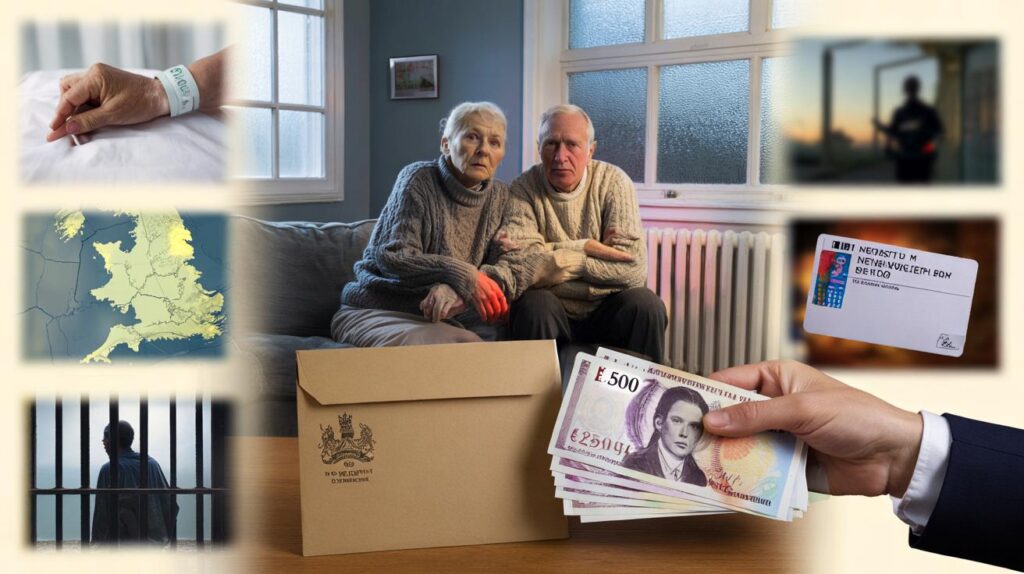
The DWP has identified five groups of over-66s who will not receive a Winter Fuel Payment for 2025–26. The list includes a new income cap and specific residence and status rules.
Five exclusions apply: residence outside England and Wales, certain hospital or prison stays, immigration status restricting public funds, and income above £35,000.
- People living outside England and Wales.
- Anyone in hospital for free treatment for the entire week of 15–21 September 2025, and for the same qualifying week the year before.
- People who need permission to enter the UK whose leave states “no recourse to public funds”.
- Anyone in prison for the entire qualifying week of 15–21 September 2025.
- People with annual income over £35,000, because HMRC will recover the payment.
Care home residents: the two-part test
People in care homes can still receive a Winter Fuel Payment. A specific carve‑out removes eligibility only when both of these conditions apply:
- You receive a means-tested benefit such as Universal Credit, Pension Credit, Income Support, income-based Jobseeker’s Allowance, or income-related Employment and Support Allowance.
- You lived in a care home continuously from 23 June 2025 or earlier for the whole year.
If only one of those conditions applies, the payment can still be due. Care home residents should check both points carefully.
What the payment is worth
The award depends on age and household circumstances, but the headline figures have been set at £200 or £300 for those who qualify under the new income rule. Payments are designed to offset energy and heating costs at the coldest point in the year.
Eligible pensioners receive either £200 or £300. The exact amount depends on age and household circumstances at the qualifying date.
Automatic payments and who should not claim
Many people will receive the payment automatically without making a claim, provided their details are already held by the DWP or HMRC. Those who already receive at least one of the following typically do not need to apply:
- State Pension or Pension Credit
- Universal Credit or Income Support
- Income-related ESA or income-based JSA
- Attendance Allowance, Disability Living Allowance, or Personal Independence Payment
- Carer’s Allowance
- War Pensions Scheme awards, Industrial Injuries Disablement Benefit, Incapacity Benefit, or Industrial Death Benefit
Payments are usually sent automatically during the winter once the DWP confirms eligibility based on the qualifying week in September.
HMRC recovery for higher incomes
The new income cap has a clear consequence. If your annual income exceeds £35,000, HMRC will recover any Winter Fuel Payment you receive. The mechanism depends on your tax position:
- Through a change to your PAYE tax code for the 2026–27 tax year, spreading the repayment across the year.
- By adding the amount to your 2025–26 Self Assessment tax bill.
If HMRC adjusts your tax code, a £200 award means around £16–£17 a month is collected; £300 equates to roughly £25 a month.
People with fluctuating income should pay special attention. A one‑off payment, a larger drawdown from a private pension, or seasonal earnings can push you above the cap and trigger recovery.
Key dates and thresholds at a glance
| Age cut‑off | Born before 22 September 1959 |
| Qualifying week | 15–21 September 2025 |
| Geography | England and Wales only |
| Income cap | £35,000 |
| Typical award | £200 or £300 |
| HMRC recovery routes | PAYE code change in 2026–27 or added to 2025–26 Self Assessment |
How to check your income against the £35,000 cap
Start with your gross taxable income for the year. Include State Pension, private and workplace pensions, earnings from employment or self‑employment, taxable savings interest, dividends, rental income, and any taxable benefits. Exclude non-taxable income.
Example: someone with £11,500 State Pension, £16,000 from a workplace pension, and £1,200 taxable bank interest has income of £28,700. That sits under the cap, so the award is not clawed back. A person with £21,000 State Pension and £16,500 from a personal pension drawdown has income of £37,500, which exceeds the cap, so HMRC will recover the Winter Fuel Payment.
If you expect to be near the threshold, take care with timing. A large pension withdrawal can tip you over the line. Smaller, regular withdrawals might keep you under. Anyone with Self Assessment can estimate their position using their records and pay slips.
Residence, hospital and prison rules
Eligibility is checked against a single September snapshot. Being abroad or outside England and Wales during that week places you outside this scheme. A full‑week hospital stay for free treatment in that week and the previous year’s qualifying week removes eligibility. A full‑week prison stay in the qualifying week does the same.
The residence rule interacts with immigration conditions. People whose visa or leave includes “no recourse to public funds” are excluded. Those with settled status or indefinite leave who live in England or Wales can be eligible if they meet the other conditions.
If your situation changes
Life does not neatly fit qualifying weeks. If you move back to England or Wales, leave hospital, or your benefit status changes, keep records. The DWP relies on accurate details to assess your award. Provide up‑to‑date information early to reduce delays.
Care home stays can be complex. If you started living in a care home after 23 June 2025, the two‑part exclusion for care homes may not apply. If you already receive Pension Credit or Universal Credit, check whether your stay has been continuous since that date. Breaks in residence can matter.
Planning tips for the coming winter
- Map your likely 2025–26 taxable income now. Adjust withdrawals or overtime if you wish to stay under £35,000.
- Check your benefit letters. Automatic payments rely on accurate records.
- Keep hospital discharge summaries if your qualifying week included a change in status.
- If you pay tax through PAYE, expect any recovery to arrive through your 2026–27 tax code.
- If you complete Self Assessment, set aside £200–£300 if your income will breach the cap.
What if you live outside England and Wales
The rules set out here apply to England and Wales. People living elsewhere in the UK or abroad fall outside this scheme. Different support may apply depending on local arrangements and residence status. Check the guidance where you live and confirm whether age and income rules operate in a different way.
Bottom line for pensioners
Millions will still see a Winter Fuel Payment this year, paid automatically in most cases. Five clear exclusions now govern who misses out, with the new income cap acting as the sharpest dividing line. If your income could breach £35,000, plan for HMRC to reclaim £200 or £300 through your tax code or your Self Assessment bill. Those under the cap, resident in England or Wales, and within the age rules should see the money land without the need to claim.



Quick check: is the £35,000 cap based on gross taxable income, including State Pension and bank interest? And if I take a one‑off pension drawdown in August 2025, does that count toward the 2025–26 year for clawback?
So if you saved a bit and your income nudges over £35k, HMRC claws back £200–£300? Feels like a stealth tax on prudence. Not a great look, govt.