
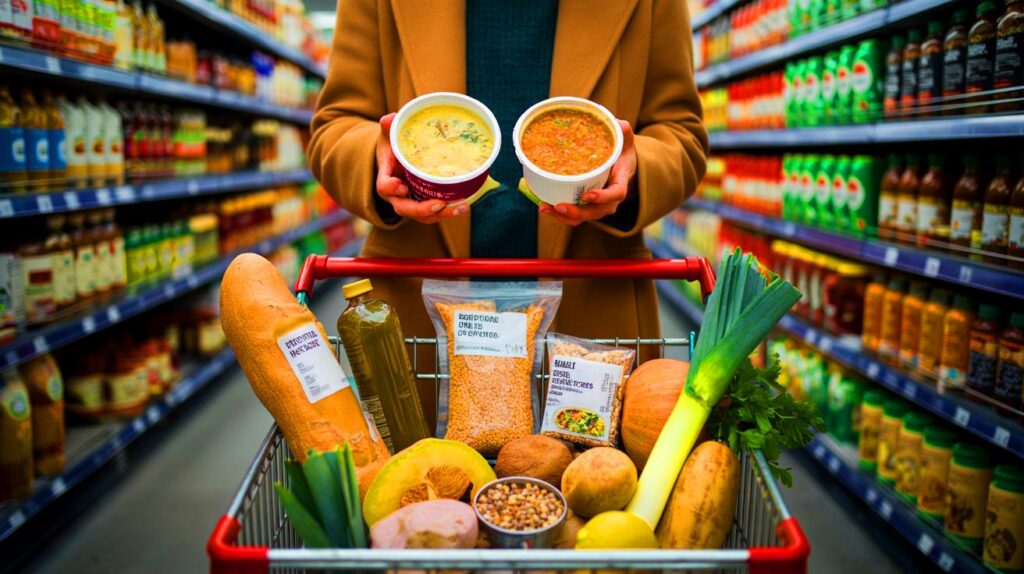
Cold nights send shoppers racing to the soup aisle, where labels blur and shortcuts tempt. Your bowl might hide surprises.
This winter, a new test of supermarket soups puts familiar brands under pressure and gives budget organic options a rare boost.
Why the supermarket soup debate matters
Convenience sells. A carton warms fast, promises veg, and feels like a lighter dinner. Yet nutrition can slip in processing. A trusted French consumer group, 60 Millions de consommateurs, put 28 ready-to-eat and dehydrated soups through a tough review. The findings will change how you shop.
Across three families — mixed vegetable blends, pumpkin soups, and leek-and-potato veloutés — many bowls delivered less than 1 g of fibre per serving.
The test at a glance
- 28 products assessed across bottles, cartons, and sachets.
- Three families: mixed vegetable “moulinés”, pumpkin-based, and leek–potato veloutés.
- Criteria covered fibre, vitamins, salt, additives, fats, and pesticide residues.
What the testers found in your bowl
Fibre came up short. Many servings failed to reach 1 g. Adults need roughly 30–45 g of fibre a day. A nightly soup habit can miss the mark fast.
Vitamins looked patchy. Leek–potato blends often lacked vitamin B6, vitamin E and beta carotene. Processing, storage, and reheating can erode sensitive nutrients.
Additives appeared regularly. Thickeners and flavourings showed up. Some recipes added sunflower oil or cream. Two dehydrated sachets from Royco used palm oil.
Residues were not widespread, but real. Five different pesticides were detected across the panel, while most products had none.
Salt improved. None crossed 2 g per serving. The WHO advises staying under 5 g salt a day from all foods.
Salt has dropped, but low fibre and inconsistent vitamins mean a soup can comfort without properly nourishing.
The winners shoppers can lean on
No single soup solved every issue, yet several stood out for cleaner recipes, clearer ingredient lists, and decent nutrient profiles for the category.
- Mixed vegetable moulinés: Marcel Bio “7 légumes bio du terroir”; Grandeur Nature “Mouliné du potager bio”; Knorr dehydrated “Légumes du potager”.
- Pumpkin soups: Bio Cambrésis “Potimarron aux éclats de châtaigne toastés”; Knorr “Comme à la maison: Potiron et pointe de muscade”; Liebig “Velouté de potiron, 100 % légumes français”.
- Leek–potato veloutés: Liebig “Velouté de poireaux et de pommes de terre”; Top Budget (Intermarché) “Velouté Poireaux Pommes de terre”.
A budget organic blend from Marcel Bio topped its class thanks to a short, readable ingredient list and fair value.
The laggards you might leave on the shelf
Three references fell behind on nutrition and formulation. Royco “Velouté poireaux” scored 7.5/20, with very low fibre, weak vitamin levels, and several additives. Royco “Velouté potiron” hit 8.5/20, with little vegetable content, palm oil, and a starch-and-aroma-led recipe, even if salt was acceptable. Casino “Mouliné légumes variés” reached 9.5/20, weighed down by lots of potatoes, thickeners, and scant fibre.
Short ingredient lists, vegetables at the top, and no cheap added fats signal a better bet than a slick label claim.
How to read the label in 10 seconds
Speed matters on a weeknight. These simple checks cut the risk of a disappointing bowl.
| Metric | What to aim for | Why it matters |
|---|---|---|
| Fibre per serving | 3 g or more | Supports fullness, gut health, and blood sugar control. |
| Salt per serving | 1.5 g or less | Helps keep daily intake below WHO’s 5 g limit. |
| Ingredients | Short list, vegetables first | Signals less processing and more real veg. |
| Added fats | No palm oil; minimal cream | Reduces saturated fat and empty calories. |
| Additives | Few thickeners, no flavour boosters | Lower reliance on fillers and aromas. |
| Organic label | Prefer when price fits | Lower likelihood of pesticide residues. |
What this means for your weeknight routine
A carton can still help you eat more veg. Pair it smartly. Add a handful of drained lentils for fibre and protein. Stir in frozen peas in the last minute to lift vitamin C. Top with toasted seeds for crunch and healthy fats.
Balance the salt. Serve with wholegrain bread instead of salty crackers. Use herbs, pepper, or a squeeze of lemon to lift flavour without more sodium.
Watch portions. Many labels call 250–300 ml a serving. Home bowls often creep to 400 ml. That shifts your salt tally fast.
Questions many shoppers ask
Can heating destroy vitamins?
Yes, heat and time reduce heat-sensitive nutrients like vitamin C and some B vitamins. Rapid reheating and immediate serving help. Freezing leftovers quickly preserves more nutrients than keeping soup in the fridge for days.
Do smooth “veloutés” differ from chunky “moulinés”?
Texture does not guarantee nutrition. Smooth blends can dilute fibre if heavily filtered or thickened with starch. Chunky soups sometimes keep more vegetable matter. The label tells you more than the mouthfeel.
Is organic always better?
Organic soups in this review showed fewer pesticide residues. Nutrition still varies. You need fibre, sensible salt, and a clear ingredients list regardless of the farming label.
A five-minute upgrade if your soup is thin on fibre
- Microwave 100 g canned chickpeas, rinse first; add to the bowl. Gains about 5–6 g fibre.
- Stir in 2 tbsp oat bran near the end. Thickens and adds beta-glucans that support cholesterol control.
- Finish with 1 tbsp ground flaxseed. Adds omega‑3s and about 2 g fibre.
The bottom line for your basket
Choose soups with vegetables first on the label, 3 g fibre or more per serving, and salt under 1.5 g. Steer away from palm oil and long lists of thickeners and aromas. Organic picks can reduce residue risk if the price sits right for you. Brands highlighted by 60 Millions de consommateurs show it is possible to find better bowls without cooking from scratch every night.
If availability differs where you shop, apply the same rules to equivalents on your shelf. The numbers on the back matter more than the picture on the front. Your winter bowl will taste better when it works harder for your health.



Five pesticides across 28? Still worryng.