
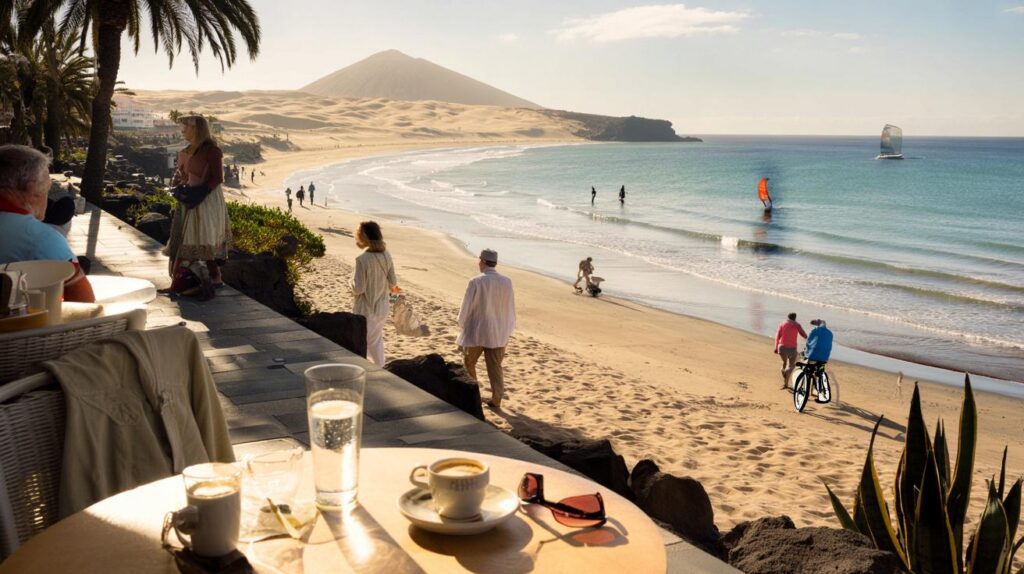
While frost grips much of Europe, a handful of Atlantic islands keeps warm breezes, blue seas and lazy afternoons within reach.
Time Out has called it: the Canary Islands rank as Europe’s safest bet for winter sunshine, thanks to mild days, swimmable seas and a choice of distinct islands that suit different travellers.
Time Out’s verdict: the Canary Islands sit on top
Travel editors named Spain’s Canary Islands the continent’s most reliable winter sun escape. The case is simple. The archipelago lies off the northwest coast of Africa, gets steady trade winds and benefits from the Gulf Stream. That combination brings gentle heat, long daylight and a dry season that overlaps neatly with a British winter.
Daytime highs hover around the high teens to low twenties from November to March. Evenings cool, yet café terraces stay busy and coastal promenades feel lively. Water temperatures linger around 19–21°C, which keeps dips realistic, especially on wind-sheltered beaches. Resorts stay open, hiking trails remain accessible, and carnival season brings colour to the streets as January turns into February.
The headline numbers matter: 18–20°C afternoons, 4–5 hour flights from the UK, 19–21°C seas, and around 10 hours of winter daylight.
The chain offers eight inhabited islands, each with a clear personality. Tenerife carries the widest range of accommodation and activities, crowned by Mount Teide’s otherworldly national park. Gran Canaria mixes dunes, city culture and family resorts. Lanzarote presents lava fields and César Manrique’s architecture. Fuerteventura leans into sandy beaches and strong winds that power kites and sails. La Palma, La Gomera, El Hierro and La Graciosa serve slower days, starry skies and coastal villages where time moves gently.
Which island suits you
- Tenerife: best all-rounder for first-timers, with easy resorts in the south and wild scenery in the north.
- Gran Canaria: beach and city in one trip; Maspalomas dunes plus Las Palmas’ tapas, galleries and surf.
- Lanzarote: volcanic landscapes, striking viewpoints and low-rise style shaped by Manrique.
- Fuerteventura: long beaches, clear lagoons and some of Europe’s most reliable winter wind for watersports.
- La Palma: quiet trails, lush forests and stargazing at world-class observatories.
- La Gomera: deep ravines, laurel forests and laid-back harbour towns.
- El Hierro: tiny, remote, and prized by divers for lava arches and clear visibility.
- La Graciosa: car‑free calm, sandy tracks and off‑grid beach days.
How warm is warm: a quick comparison
| Destination | Daytime highs (°c) | Sea (°c) | Flight from London | Daylight (Dec) |
|---|---|---|---|---|
| Tenerife | 19–22 | 20–21 | 4h 30m–4h 50m | 10h 20m |
| Lanzarote | 19–21 | 19–20 | 4h 15m–4h 35m | 10h 20m |
| Fuerteventura | 19–21 | 19–20 | 4h 20m–4h 40m | 10h 20m |
| Gran Canaria | 20–22 | 20–21 | 4h 30m–4h 50m | 10h 20m |
| Madeira | 17–20 | 18–20 | 3h 50m–4h 10m | 9h 50m |
| Albanian Riviera | 12–16 | 15–17 | 3h 10m–3h 30m (via Tirana) | 9h 20m |
Runners‑up still worth your miles
Time Out’s longlist also nods to the Albanian Riviera. Winter strips back the summer bustle and leaves bright water, coffee‑first town squares and mountain backdrops. It feels cooler than the Canaries, yet skies stay bright on many days and coastal walks feel crisp rather than bleak. Prices often fall sharply outside July and August, which suits travellers seeking value and space.
Third place goes to Madeira. The “island of eternal spring” earns its nickname with gardens in bloom, levada paths under eucalyptus and Atlantic viewpoints that catch pink sunsets. Temperatures trend a touch lower than the Canaries, but sheltered coves still tempt swimmers, and food lovers rate the island for black scabbard fish, bolo do caco and poncha bars that hum after dark.
Not chasing 30°C pays off. These places trade scorching heat for comfort, light and the kind of weather that keeps you outside all day.
Practical planning: make winter work for you
Book flights eight to ten weeks out for the best balance of fare and choice. January and early February usually price lower than Christmas or half term. Pack layers, because sea breezes cool shaded streets, and higher altitudes can feel brisk. On Tenerife and Gran Canaria, the south and southwest coasts run warmer and drier than northern slopes. If you want less wind, target bays rather than open beaches, and look for a hotel set behind cliffs or dunes.
Watersports thrive in winter. Fuerteventura and Lanzarote bring consistent wind for kites and windsurfing. Reef breaks in Tenerife and Gran Canaria run often, with surf schools taking beginners on mellow days. Hikers get excellent visibility above the clouds, yet should carry water and sun protection because UV remains punchy.
What could catch you out
- Calima dust: a Sahara plume can lift temperatures and reduce visibility for a day or two; plan flexible outdoors time.
- Microclimates: a cloudy morning in the north can mean blue sky in the south; a short drive often fixes the forecast.
- Permits: the Teide summit requires a free slot; reserve well ahead, or aim for viewpoints that do not need permits.
- Waves and currents: choose lifeguarded beaches in winter swell; check local flag systems before swimming.
Costs, value and where the savings sit
Self‑catering apartments reduce spend for families and groups. Local markets carry fruit, cheese and fresh fish year‑round. Car hire remains good value in the Canaries, which opens up lesser‑known coves and inland villages with traditional restaurants. Madeira leans towards guesthouses and boutique hotels, while the Albanian Riviera offers off‑season rates on seafront rooms, especially in Sarandë and Vlorë.
Typical winter deals: from under £400 per person for seven nights in a mid‑range Canary resort in January, excluding luggage and transfers.
Events add texture to a trip. Carnival season kicks off in late January or February across the Canaries and Madeira, with street parades, live bands and bright costumes. Food lovers time visits for citrus and avocado harvests, or for seafood festivals along island harbours.
Going wider: if you do want long‑haul warmth
Time Out’s global pick for deep‑winter heat is Sharm El Sheikh in Egypt, where daytime temperatures jump higher and the Red Sea serves world‑class diving. That means longer flights and a different style of holiday, but it shows the scale of choice if you want heat rather than gentle warmth.
Extra tips that stretch your options
Two‑centre breaks work well. Pair Tenerife’s beaches with La Gomera’s trails, or mix Lanzarote’s art sites with Fuerteventura’s bays. Ferries run regularly and fares stay modest in winter. Solo travellers often favour larger islands for nightlife and public transport. Families lean towards shallow lagoons, kids’ clubs and promenade cycling.
If you chase sun without the crowds, set your alarm. Early coastal walks or a first‑light swim often bring calm seas and empty viewpoints. Build a backup plan for the odd breezy day: cave pools on Lanzarote, aquariums and science museums in Las Palmas, or levada walks below the cloud line on Madeira. That way the trip never stalls, whatever the sky does.



Booked Tenerife for late Jan after reading this—those 4–5 hour flights and 19–21°C seas sound perfect. Any tips on dodging calima days, or is it just luck? Thanks!
18–20°C is ‘swimmable’ only if you’re part pengiun. Do hotels heat their pools, or am I packing a shorty wetsuit?